

11. Canopy Fluxes
sample tube of the analyzer. Changes in instrument
temperature affect zero drift. Power consumption
of the IRGA is 8 to 12 watts, dependent on
temperature.
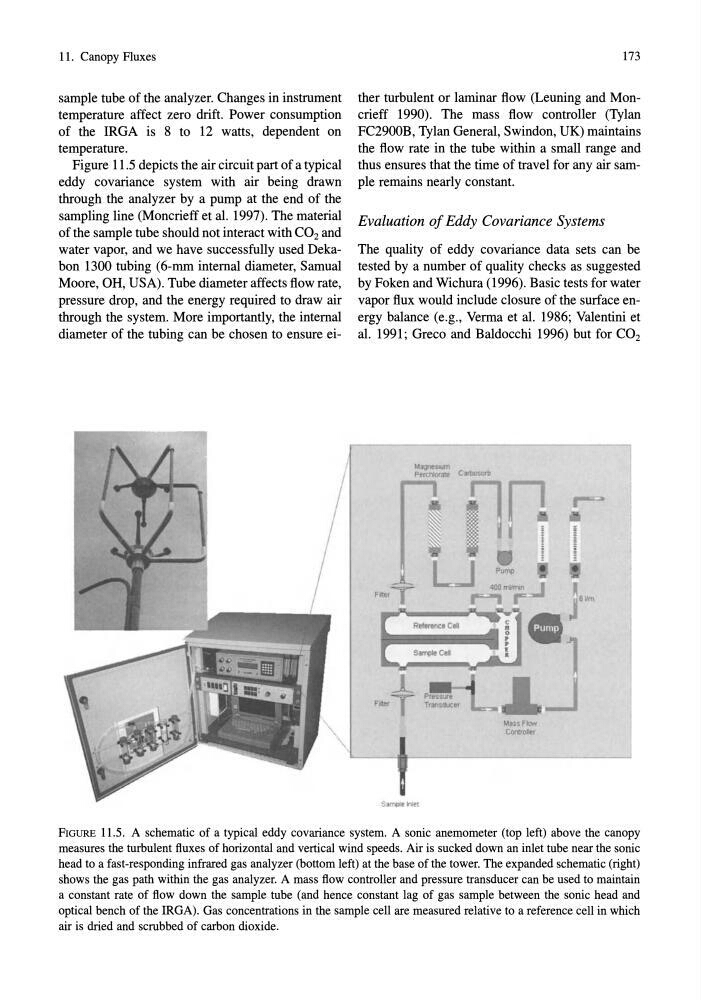
Figure 11.5 depicts the air circuit part of a typical
eddy covariance system with air being drawn
through the analyzer by a pump at the end of the
sampling line (Moncrieff et al. 1997). The material
of the sample tube should not interact with CO 2 and
water vapor, and we have successfully used Dekabon 1300 tubing (6-mm internal diameter, Samual
Moore, OH, USA). Tube diameter affects flow rate,
pressure drop, and the energy required to draw air
through the system. More importantly, the internal
diameter of the tubing can be chosen to ensure ei173
ther turbulent or laminar flow (Leuning and Moncrieff 1990). The mass flow controller (Tylan
FC2900B, Tylan General, Swindon, UK) maintains
the flow rate in the tube within a small range and
thus ensures that the time of travel for any air sample remains nearly constant.
Evaluation of Eddy Covariance Systems
The quality of eddy covariance data sets can be
tested by a number of quality checks as suggested
by Foken and Wichura (1996). Basic tests for water
vapor flux would include closure of the surface energy balance (e.g., Verma et al. 1986; Valentini et
al. 1991; Greco and Baldocchi 1996) but for CO2
F'''''T
FIGURE 11.5. A schematic of a typical eddy covariance system. A sonic anemometer (top left) above the canopy
measures the turbulent fluxes of horizontal and vertical wind speeds. Air is sucked down an inlet tube near the sonic
head to a fast-responding infrared gas analyzer (bottom left) at the base of the tower. The expanded schematic (right)
shows the gas path within the gas analyzer. A mass flow controller and pressure transducer can be used to maintain
a constant rate of flow down the sample tube (and hence constant lag of gas sample between the sonic head and
optical bench of the IRGA). Gas concentrations in the sample cell are measured relative to a reference cell in which
air is dried and scrubbed of carbon dioxide.
sample tube of the analyzer. Changes in instrument
temperature affect zero drift. Power consumption
of the IRGA is 8 to 12 watts, dependent on
temperature.
Figure 11.5 depicts the air circuit part of a typical
eddy covariance system with air being drawn
through the analyzer by a pump at the end of the
sampling line (Moncrieff et al. 1997). The material
of the sample tube should not interact with CO 2 and
water vapor, and we have successfully used Dekabon 1300 tubing (6-mm internal diameter, Samual
Moore, OH, USA). Tube diameter affects flow rate,
pressure drop, and the energy required to draw air
through the system. More importantly, the internal
diameter of the tubing can be chosen to ensure ei173
ther turbulent or laminar flow (Leuning and Moncrieff 1990). The mass flow controller (Tylan
FC2900B, Tylan General, Swindon, UK) maintains
the flow rate in the tube within a small range and
thus ensures that the time of travel for any air sample remains nearly constant.
Evaluation of Eddy Covariance Systems
The quality of eddy covariance data sets can be
tested by a number of quality checks as suggested
by Foken and Wichura (1996). Basic tests for water
vapor flux would include closure of the surface energy balance (e.g., Verma et al. 1986; Valentini et
al. 1991; Greco and Baldocchi 1996) but for CO2
F'''''T
FIGURE 11.5. A schematic of a typical eddy covariance system. A sonic anemometer (top left) above the canopy
measures the turbulent fluxes of horizontal and vertical wind speeds. Air is sucked down an inlet tube near the sonic
head to a fast-responding infrared gas analyzer (bottom left) at the base of the tower. The expanded schematic (right)
shows the gas path within the gas analyzer. A mass flow controller and pressure transducer can be used to maintain
a constant rate of flow down the sample tube (and hence constant lag of gas sample between the sonic head and
optical bench of the IRGA). Gas concentrations in the sample cell are measured relative to a reference cell in which
air is dried and scrubbed of carbon dioxide.