

237
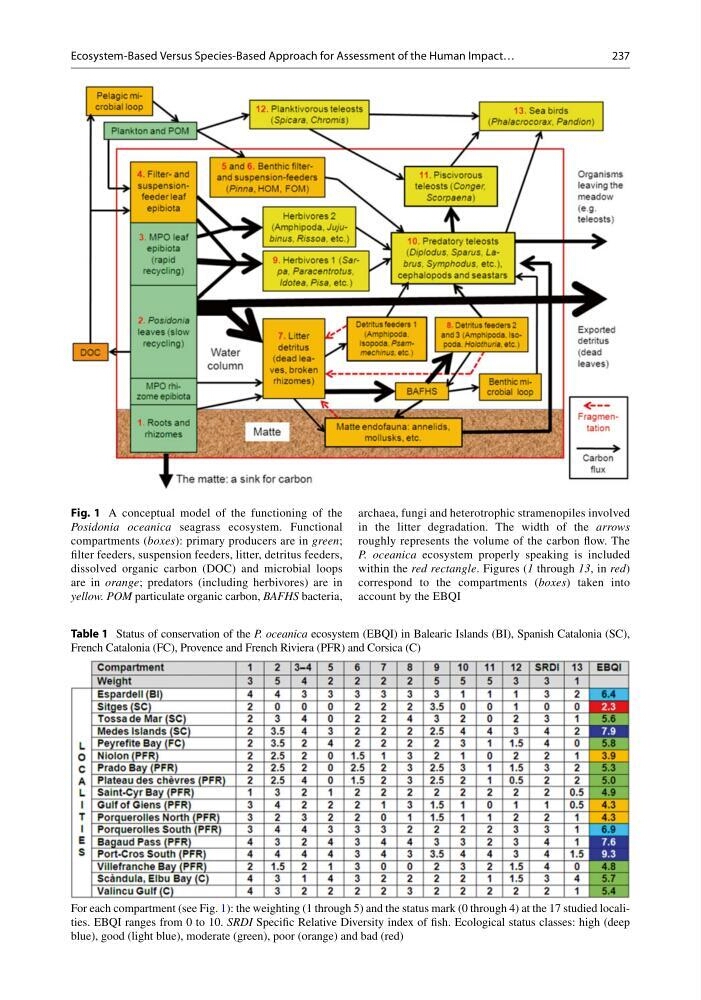
Fig. 1 A conceptual model of the functioning of the
Posidonia oceanica seagrass ecosystem. Functional
compartments ( boxes ): primary producers are in green ;
fi lter feeders, suspension feeders, litter, detritus feeders,
dissolved organic carbon (DOC) and microbial loops
are in orange ; predators (including herbivores) are in
yellow. POM particulate organic carbon, BAFHS bacteria,
archaea, fungi and heterotrophic stramenopiles involved
in the litter degradation. The width of the arrows
roughly represents the volume of the carbon fl ow. The
P. oceanica ecosystem properly speaking is included
within the red rectangle . Figures ( 1 through 13 , in red )
correspond to the compartments ( boxes ) taken into
account by the EBQI
Table 1 Status of conservation of the P. oceanica ecosystem (EBQI) in Balearic Islands (BI), Spanish Catalonia (SC),
French Catalonia (FC), Provence and French Riviera (PFR) and Corsica (C)
For each compartment (see Fig. 1 ): the weighting (1 through 5) and the status mark (0 through 4) at the 17 studied localities. EBQI ranges from 0 to 10. SRDI Specifi c Relative Diversity index of fi sh. Ecological status classes: high (deep
blue), good (light blue), moderate (green), poor (orange) and bad (red)
Ecosystem-Based Versus Species-Based Approach for Assessment of the Human Impact…
Fig. 1 A conceptual model of the functioning of the
Posidonia oceanica seagrass ecosystem. Functional
compartments ( boxes ): primary producers are in green ;
fi lter feeders, suspension feeders, litter, detritus feeders,
dissolved organic carbon (DOC) and microbial loops
are in orange ; predators (including herbivores) are in
yellow. POM particulate organic carbon, BAFHS bacteria,
archaea, fungi and heterotrophic stramenopiles involved
in the litter degradation. The width of the arrows
roughly represents the volume of the carbon fl ow. The
P. oceanica ecosystem properly speaking is included
within the red rectangle . Figures ( 1 through 13 , in red )
correspond to the compartments ( boxes ) taken into
account by the EBQI
Table 1 Status of conservation of the P. oceanica ecosystem (EBQI) in Balearic Islands (BI), Spanish Catalonia (SC),
French Catalonia (FC), Provence and French Riviera (PFR) and Corsica (C)
For each compartment (see Fig. 1 ): the weighting (1 through 5) and the status mark (0 through 4) at the 17 studied localities. EBQI ranges from 0 to 10. SRDI Specifi c Relative Diversity index of fi sh. Ecological status classes: high (deep
blue), good (light blue), moderate (green), poor (orange) and bad (red)
Ecosystem-Based Versus Species-Based Approach for Assessment of the Human Impact…