

130
analysis has been introduced in the study of
human physiology to distinguish between systems operating in normal vs. pathological states
(Ivanov et al. 1999; Mishima et al. 1999). Both
the temporal and structural complexity of a range
of biological systems hence decrease under
stressful conditions. For instance, the time series
of beat intervals in healthy subjects have more
complex fluctuations than patients with severe
cardiac disease (Ivanov et al. 1999). Similarly,
the geometry of the lung terminal airspace
branching architecture is more complex in normal subjects than in patients with chronic
obstructive pulmonary disease (Mishima et al.
1999). More specifically, stressed (e.g. diseased
and parasited) animals typically reduce the
complexity of their behavioural display (Alados
et al. 1996). Fractal analysis has hence been
extensively used as a non-invasive assessment of
the general health of wild and captive animals
(Rutherford et al. 2004; Alados et al. 1996),
including copepods (Seuront 2011).
The quantitative assessment of changes in
copepod swimming behaviour is critical as
swimming and feeding are intertwined in most
copepod species, hence any disruption of copepod swimming is predicted to have detrimental
consequences to their biology and ecology
(Seuront 2012), which in turn may affect ecosystem structure and function and geochemical
fluxes. Behavioural changes have the potential to
be used as indicators of ecosystem health.
This issue is particularly relevant for sublethal
toxicant concentration as behavioural changes
provide sensitive non-invasive sublethal endpoint
with short-response time for toxicity bioassays,
which are more sensitive than mortality responses
(Garaventa et al. 2010).
Over the last two decades, fractal analysis has
increasingly been used to describe and provide
further understanding to zooplankton swimming
behaviour. This may be related to the fact that
fractal analysis has the desirable properties to be
independent of measurement scale and to be very
sensitive to even subtle behavioural changes that
may be undetectable to other behavioural variables (Rutherford et al. 2004; Coughlin et al.
1992). As early claimed (Coughlin et al. 1992),
this creates ‘the need for fractal analysis’ in
zooplankton behavioural ecology in general and
in zooplankton ecotoxicology in particular.
In this context, I first briefly rehearse the very
basic principles of fractal theory before describing
a few fractally derived ‘behavioural stress indexes’
0
10
20
30
0
2 0
4 0
6 0
8 0
100
150
0
100
50
150
0
100
50
y (mm)
z
(mm)
Speed (mm s -1
)
Time (sec)
a
b
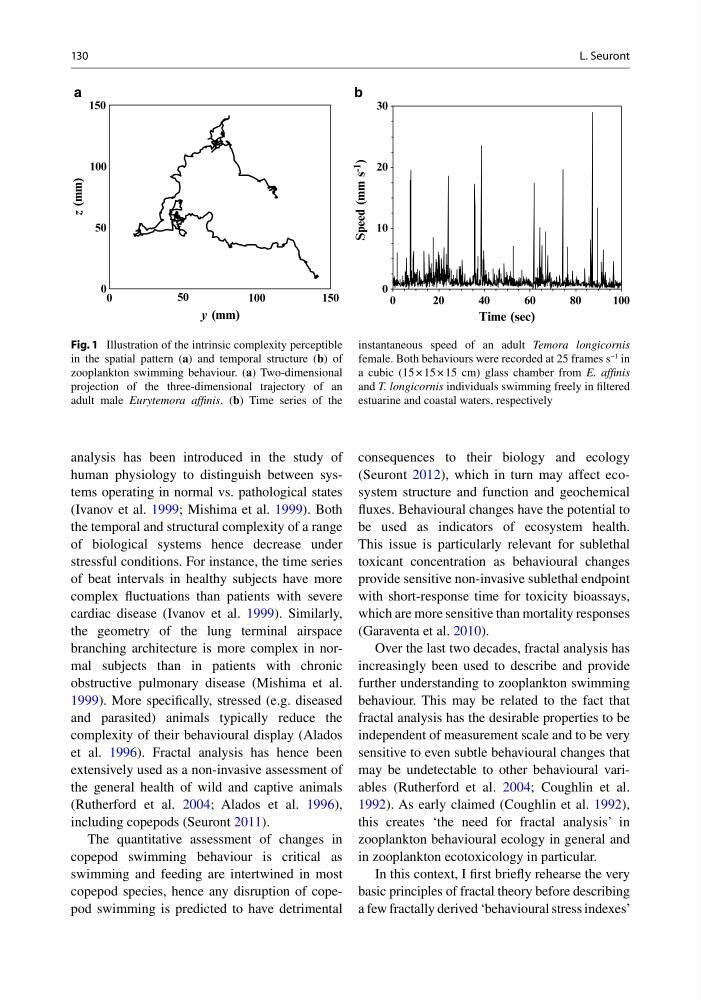
Fig. 1 Illustration of the intrinsic complexity perceptible
in the spatial pattern (a) and temporal structure (b) of
zooplankton swimming behaviour. (a) Two-dimensional
projection of the three-dimensional trajectory of an
adult male Eurytemora affinis. (b) Time series of the
instantaneous speed of an adult Temora longicornis
female. Both behaviours were recorded at 25 frames s
−1 in
a cubic (15 × 15 × 15 cm) glass chamber from E. affinis
and T. longicornis individuals swimming freely in filtered
estuarine and coastal waters, respectively
L. Seuront
analysis has been introduced in the study of
human physiology to distinguish between systems operating in normal vs. pathological states
(Ivanov et al. 1999; Mishima et al. 1999). Both
the temporal and structural complexity of a range
of biological systems hence decrease under
stressful conditions. For instance, the time series
of beat intervals in healthy subjects have more
complex fluctuations than patients with severe
cardiac disease (Ivanov et al. 1999). Similarly,
the geometry of the lung terminal airspace
branching architecture is more complex in normal subjects than in patients with chronic
obstructive pulmonary disease (Mishima et al.
1999). More specifically, stressed (e.g. diseased
and parasited) animals typically reduce the
complexity of their behavioural display (Alados
et al. 1996). Fractal analysis has hence been
extensively used as a non-invasive assessment of
the general health of wild and captive animals
(Rutherford et al. 2004; Alados et al. 1996),
including copepods (Seuront 2011).
The quantitative assessment of changes in
copepod swimming behaviour is critical as
swimming and feeding are intertwined in most
copepod species, hence any disruption of copepod swimming is predicted to have detrimental
consequences to their biology and ecology
(Seuront 2012), which in turn may affect ecosystem structure and function and geochemical
fluxes. Behavioural changes have the potential to
be used as indicators of ecosystem health.
This issue is particularly relevant for sublethal
toxicant concentration as behavioural changes
provide sensitive non-invasive sublethal endpoint
with short-response time for toxicity bioassays,
which are more sensitive than mortality responses
(Garaventa et al. 2010).
Over the last two decades, fractal analysis has
increasingly been used to describe and provide
further understanding to zooplankton swimming
behaviour. This may be related to the fact that
fractal analysis has the desirable properties to be
independent of measurement scale and to be very
sensitive to even subtle behavioural changes that
may be undetectable to other behavioural variables (Rutherford et al. 2004; Coughlin et al.
1992). As early claimed (Coughlin et al. 1992),
this creates ‘the need for fractal analysis’ in
zooplankton behavioural ecology in general and
in zooplankton ecotoxicology in particular.
In this context, I first briefly rehearse the very
basic principles of fractal theory before describing
a few fractally derived ‘behavioural stress indexes’
0
10
20
30
0
2 0
4 0
6 0
8 0
100
150
0
100
50
150
0
100
50
y (mm)
z
(mm)
Speed (mm s -1
)
Time (sec)
a
b
Fig. 1 Illustration of the intrinsic complexity perceptible
in the spatial pattern (a) and temporal structure (b) of
zooplankton swimming behaviour. (a) Two-dimensional
projection of the three-dimensional trajectory of an
adult male Eurytemora affinis. (b) Time series of the
instantaneous speed of an adult Temora longicornis
female. Both behaviours were recorded at 25 frames s
−1 in
a cubic (15 × 15 × 15 cm) glass chamber from E. affinis
and T. longicornis individuals swimming freely in filtered
estuarine and coastal waters, respectively
L. Seuront