

184
L. J. GONZALEZ et al.
This compatibility was evaluated with the cytochrome C. It is a small protein
(11.7 kDa) with a great number of lysine residues (nineteen) to be modified. A
comparison between the rp-HPLC profIles of the native (Fig. 12.5A) and succinylated (Fig. 12.5B) proteins showed that the reaction has occurred due to the
increase of retention time of the succinylated protein. However the lysine residues seem to be partially blocked due to the presence of a shoulder in the main
peak observed in Fig. 5B. This result was also confirmed by SDS-PAGE when a
band of the modified protein migrated very close to the native one (data not
shown).
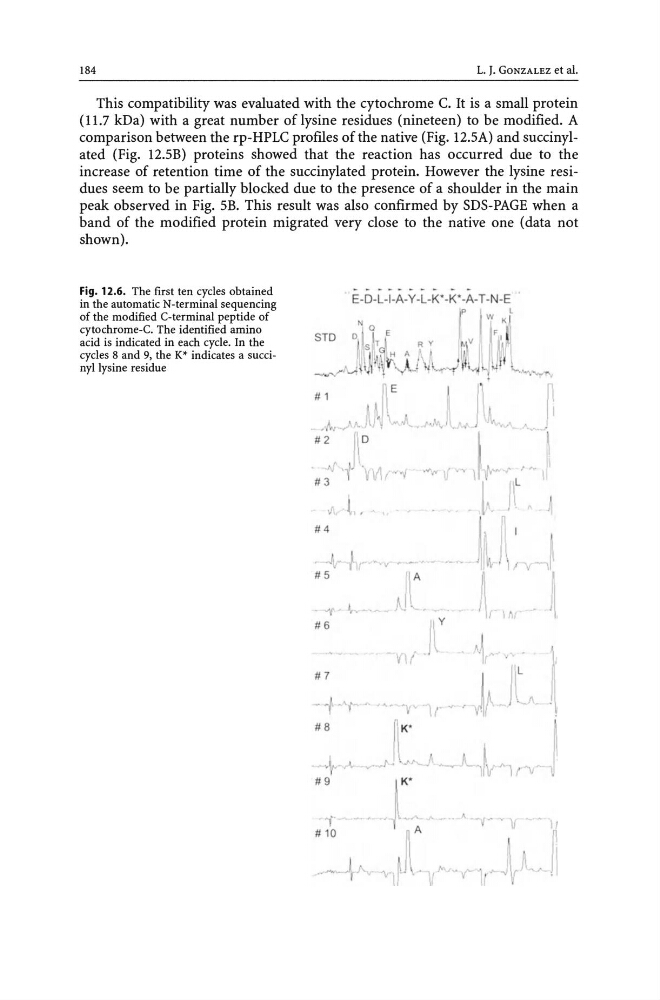
Fig. 12.6. The first ten cycles obtained
in the automatic N-terminal sequencing
of the modified C-terminal peptide of
cytochrome-Co The identified amino
acid is indicated in each cycle. In the
cycles 8 and 9, the K* indicates a succinyllysine residue
STO
#4
, I~
#5
"'f'
#6
L. J. GONZALEZ et al.
This compatibility was evaluated with the cytochrome C. It is a small protein
(11.7 kDa) with a great number of lysine residues (nineteen) to be modified. A
comparison between the rp-HPLC profIles of the native (Fig. 12.5A) and succinylated (Fig. 12.5B) proteins showed that the reaction has occurred due to the
increase of retention time of the succinylated protein. However the lysine residues seem to be partially blocked due to the presence of a shoulder in the main
peak observed in Fig. 5B. This result was also confirmed by SDS-PAGE when a
band of the modified protein migrated very close to the native one (data not
shown).
Fig. 12.6. The first ten cycles obtained
in the automatic N-terminal sequencing
of the modified C-terminal peptide of
cytochrome-Co The identified amino
acid is indicated in each cycle. In the
cycles 8 and 9, the K* indicates a succinyllysine residue
STO
#4
, I~
#5
"'f'
#6