

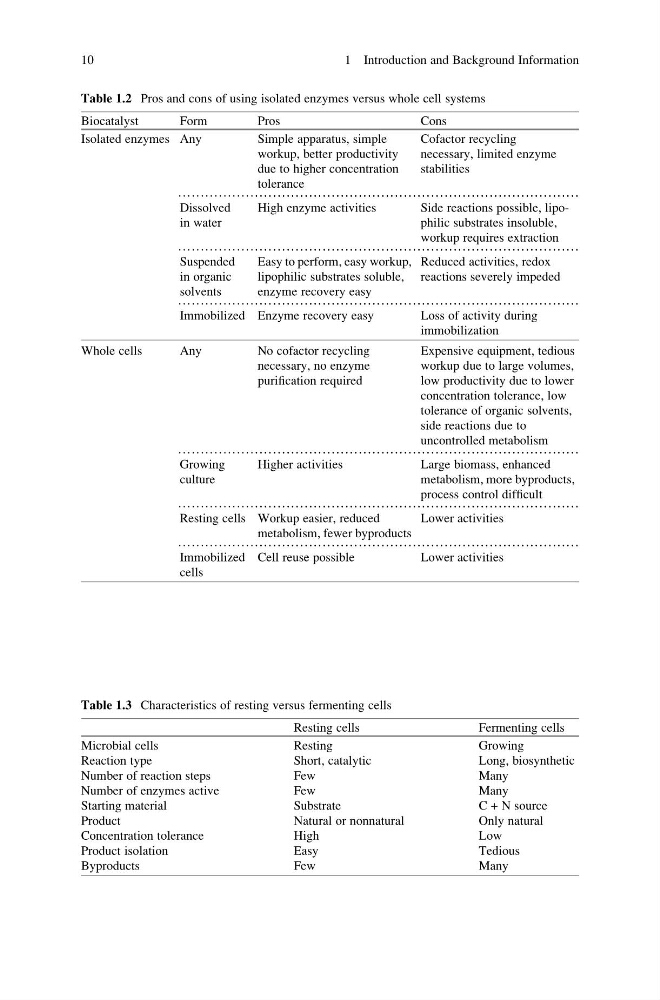
Table 1.3 Characteristics of resting versus fermenting cells
Resting cells
Fermenting cells
Microbial cells
Resting
Growing
Reaction type
Short, catalytic
Long, biosynthetic
Number of reaction steps
Few
Many
Number of enzymes active
Few
Many
Starting material
Substrate
C + N source
Product
Natural or nonnatural
Only natural
Concentration tolerance
High
Low
Product isolation
Easy
Tedious
Byproducts
Few
Many
. . . . . . . . . . . . . . . . . . . . . . . . . . . . . . . . . . . . . . . . . . . . . . . . . . . . . . . . . . . . . . . . . . . . . . . . . . . . . . . . . . . . . . . . .
. . . . . . . . . . . . . . . . . . . . . . . . . . . . . . . . . . . . . . . . . . . . . . . . . . . . . . . . . . . . . . . . . . . . . . . .
. . . . . . . . . . . . . . . . . . . . . . . . . . . . . . . . . . . . . . . . . . . . . . . . . . . . . . . . . . . . . . . . . . . . . . . . . . . . . . . . . . . . . . . . .
. . . . . . . . . . . . . . . . . . . . . . . . . . . . . . . . . . . . . . . . . . . . . . . . . . . . . . . . . . . . . . . . . . . . . . . .
. . . . . . . . . . . . . . . . . . . . . . . . . . . . . . . . . . . . . . . . . . . . . . . . . . . . . . . . . . . . . . . . . . . . . . . . . . . . . . . . . . . . . . . . .
. . . . . . . . . . . . . . . . . . . . . . . . . . . . . . . . . . . . . . . . . . . . . . . . . . . . . . . . . . . . . . . . . . . . . . . .
. . . . . . . . . . . . . . . . . . . . . . . . . . . . . . . . . . . . . . . . . . . . . . . . . . . . . . . . . . . . . . . . . . . . . . . . . . . . . . . . . . . . . . . . .
. . . . . . . . . . . . . . . . . . . . . . . . . . . . . . . . . . . . . . . . . . . . . . . . . . . . . . . . . . . . . . . . . . . . . . . .
. . . . . . . . . . . . . . . . . . . . . . . . . . . . . . . . . . . . . . . . . . . . . . . . . . . . . . . . . . . . . . . . . . . . . . . . . . . . . . . . . . . . . . . . .
. . . . . . . . . . . . . . . . . . . . . . . . . . . . . . . . . . . . . . . . . . . . . . . . . . . . . . . . . . . . . . . . . . . . . . . .
. . . . . . . . . . . . . . . . . . . . . . . . . . . . . . . . . . . . . . . . . . . . . . . . . . . . . . . . . . . . . . . . . . . . . . . . . . . . . . . . . . . . . . . . .
. . . . . . . . . . . . . . . . . . . . . . . . . . . . . . . . . . . . . . . . . . . . . . . . . . . . . . . . . . . . . . . . . . . . . . . .
Table 1.2 Pros and cons of using isolated enzymes versus whole cell systems
Biocatalyst
Form
Pros
Cons
Isolated enzymes Any
Simple apparatus, simple
workup, better productivity
due to higher concentration
tolerance
Cofactor recycling
necessary, limited enzyme
stabilities
Dissolved
in water
High enzyme activities
Side reactions possible, lipophilic substrates insoluble,
workup requires extraction
Suspended
in organic
solvents
Easy to perform, easy workup,
lipophilic substrates soluble,
enzyme recovery easy
Reduced activities, redox
reactions severely impeded
Immobilized Enzyme recovery easy
Loss of activity during
immobilization
Whole cells
Any
No cofactor recycling
necessary, no enzyme
purification required
Expensive equipment, tedious
workup due to large volumes,
low productivity due to lower
concentration tolerance, low
tolerance of organic solvents,
side reactions due to
uncontrolled metabolism
Growing
culture
Higher activities
Large biomass, enhanced
metabolism, more byproducts,
process control difficult
Resting cells Workup easier, reduced
metabolism, fewer byproducts
Lower activities
Immobilized
cells
Cell reuse possible
Lower activities
10
1 Introduction and Background Information
Resting cells
Fermenting cells
Microbial cells
Resting
Growing
Reaction type
Short, catalytic
Long, biosynthetic
Number of reaction steps
Few
Many
Number of enzymes active
Few
Many
Starting material
Substrate
C + N source
Product
Natural or nonnatural
Only natural
Concentration tolerance
High
Low
Product isolation
Easy
Tedious
Byproducts
Few
Many
. . . . . . . . . . . . . . . . . . . . . . . . . . . . . . . . . . . . . . . . . . . . . . . . . . . . . . . . . . . . . . . . . . . . . . . . . . . . . . . . . . . . . . . . .
. . . . . . . . . . . . . . . . . . . . . . . . . . . . . . . . . . . . . . . . . . . . . . . . . . . . . . . . . . . . . . . . . . . . . . . .
. . . . . . . . . . . . . . . . . . . . . . . . . . . . . . . . . . . . . . . . . . . . . . . . . . . . . . . . . . . . . . . . . . . . . . . . . . . . . . . . . . . . . . . . .
. . . . . . . . . . . . . . . . . . . . . . . . . . . . . . . . . . . . . . . . . . . . . . . . . . . . . . . . . . . . . . . . . . . . . . . .
. . . . . . . . . . . . . . . . . . . . . . . . . . . . . . . . . . . . . . . . . . . . . . . . . . . . . . . . . . . . . . . . . . . . . . . . . . . . . . . . . . . . . . . . .
. . . . . . . . . . . . . . . . . . . . . . . . . . . . . . . . . . . . . . . . . . . . . . . . . . . . . . . . . . . . . . . . . . . . . . . .
. . . . . . . . . . . . . . . . . . . . . . . . . . . . . . . . . . . . . . . . . . . . . . . . . . . . . . . . . . . . . . . . . . . . . . . . . . . . . . . . . . . . . . . . .
. . . . . . . . . . . . . . . . . . . . . . . . . . . . . . . . . . . . . . . . . . . . . . . . . . . . . . . . . . . . . . . . . . . . . . . .
. . . . . . . . . . . . . . . . . . . . . . . . . . . . . . . . . . . . . . . . . . . . . . . . . . . . . . . . . . . . . . . . . . . . . . . . . . . . . . . . . . . . . . . . .
. . . . . . . . . . . . . . . . . . . . . . . . . . . . . . . . . . . . . . . . . . . . . . . . . . . . . . . . . . . . . . . . . . . . . . . .
. . . . . . . . . . . . . . . . . . . . . . . . . . . . . . . . . . . . . . . . . . . . . . . . . . . . . . . . . . . . . . . . . . . . . . . . . . . . . . . . . . . . . . . . .
. . . . . . . . . . . . . . . . . . . . . . . . . . . . . . . . . . . . . . . . . . . . . . . . . . . . . . . . . . . . . . . . . . . . . . . .
Table 1.2 Pros and cons of using isolated enzymes versus whole cell systems
Biocatalyst
Form
Pros
Cons
Isolated enzymes Any
Simple apparatus, simple
workup, better productivity
due to higher concentration
tolerance
Cofactor recycling
necessary, limited enzyme
stabilities
Dissolved
in water
High enzyme activities
Side reactions possible, lipophilic substrates insoluble,
workup requires extraction
Suspended
in organic
solvents
Easy to perform, easy workup,
lipophilic substrates soluble,
enzyme recovery easy
Reduced activities, redox
reactions severely impeded
Immobilized Enzyme recovery easy
Loss of activity during
immobilization
Whole cells
Any
No cofactor recycling
necessary, no enzyme
purification required
Expensive equipment, tedious
workup due to large volumes,
low productivity due to lower
concentration tolerance, low
tolerance of organic solvents,
side reactions due to
uncontrolled metabolism
Growing
culture
Higher activities
Large biomass, enhanced
metabolism, more byproducts,
process control difficult
Resting cells Workup easier, reduced
metabolism, fewer byproducts
Lower activities
Immobilized
cells
Cell reuse possible
Lower activities
10
1 Introduction and Background Information