

• Oxidation of a secondary alcohol involves the destruction of an asymmetric
center (sp
3
! sp
2 hybrid) and is therefore of limited synthetic use.
Regioselective Oxidation of Polyols
The enzyme-catalyzed oxidation of alcohols is only of practical interest to the
synthetic organic chemist if complex molecules such as polyols are involved
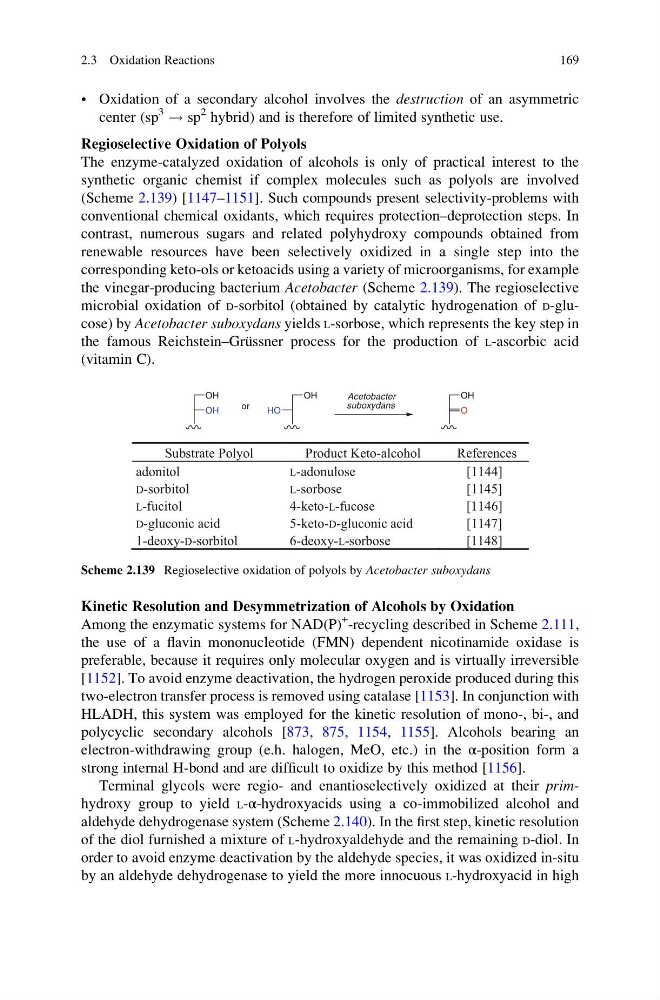
(Scheme 2.139) [1147–1151]. Such compounds present selectivity-problems with
conventional chemical oxidants, which requires protection–deprotection steps. In
contrast, numerous sugars and related polyhydroxy compounds obtained from
renewable resources have been selectively oxidized in a single step into the
corresponding keto-ols or ketoacids using a variety of microorganisms, for example
the vinegar-producing bacterium Acetobacter (Scheme 2.139). The regioselective
microbial oxidation of D-sorbitol (obtained by catalytic hydrogenation of D-glucose) by Acetobacter suboxydans yields L-sorbose, which represents the key step in
the famous Reichstein–Grüssner process for the production of L-ascorbic acid
(vitamin C).
Kinetic Resolution and Desymmetrization of Alcohols by Oxidation
Among the enzymatic systems for NAD(P)
+ -recycling described in Scheme 2.111,
the use of a flavin mononucleotide (FMN) dependent nicotinamide oxidase is
preferable, because it requires only molecular oxygen and is virtually irreversible
[1152]. To avoid enzyme deactivation, the hydrogen peroxide produced during this
two-electron transfer process is removed using catalase [1153]. In conjunction with
HLADH, this system was employed for the kinetic resolution of mono-, bi-, and
polycyclic secondary alcohols [873, 875, 1154, 1155]. Alcohols bearing an
electron-withdrawing group (e.h. halogen, MeO, etc.) in the α-position form a
strong internal H-bond and are difficult to oxidize by this method [1156].
Terminal glycols were regio- and enantioselectively oxidized at their primhydroxy group to yield L-α-hydroxyacids using a co-immobilized alcohol and
aldehyde dehydrogenase system (Scheme 2.140). In the first step, kinetic resolution
of the diol furnished a mixture of L-hydroxyaldehyde and the remaining D-diol. In
order to avoid enzyme deactivation by the aldehyde species, it was oxidized in-situ
by an aldehyde dehydrogenase to yield the more innocuous L-hydroxyacid in high
Substrate Polyol
Product Keto-alcohol
References
adonitol
L-adonulose
[1144]
D-sorbitol
L-sorbose
[1145]
L-fucitol
4-keto-L-fucose
[1146]
D-gluconic acid
5-keto-D-gluconic acid
[1147]
1-deoxy-D-sorbitol
6-deoxy-L-sorbose
[1148]
HO
OH
O
OH
OH
OH
suboxydans
Acetobacter
or
Scheme 2.139 Regioselective oxidation of polyols by Acetobacter suboxydans
2.3 Oxidation Reactions
169
center (sp
3
! sp
2 hybrid) and is therefore of limited synthetic use.
Regioselective Oxidation of Polyols
The enzyme-catalyzed oxidation of alcohols is only of practical interest to the
synthetic organic chemist if complex molecules such as polyols are involved
(Scheme 2.139) [1147–1151]. Such compounds present selectivity-problems with
conventional chemical oxidants, which requires protection–deprotection steps. In
contrast, numerous sugars and related polyhydroxy compounds obtained from
renewable resources have been selectively oxidized in a single step into the
corresponding keto-ols or ketoacids using a variety of microorganisms, for example
the vinegar-producing bacterium Acetobacter (Scheme 2.139). The regioselective
microbial oxidation of D-sorbitol (obtained by catalytic hydrogenation of D-glucose) by Acetobacter suboxydans yields L-sorbose, which represents the key step in
the famous Reichstein–Grüssner process for the production of L-ascorbic acid
(vitamin C).
Kinetic Resolution and Desymmetrization of Alcohols by Oxidation
Among the enzymatic systems for NAD(P)
+ -recycling described in Scheme 2.111,
the use of a flavin mononucleotide (FMN) dependent nicotinamide oxidase is
preferable, because it requires only molecular oxygen and is virtually irreversible
[1152]. To avoid enzyme deactivation, the hydrogen peroxide produced during this
two-electron transfer process is removed using catalase [1153]. In conjunction with
HLADH, this system was employed for the kinetic resolution of mono-, bi-, and
polycyclic secondary alcohols [873, 875, 1154, 1155]. Alcohols bearing an
electron-withdrawing group (e.h. halogen, MeO, etc.) in the α-position form a
strong internal H-bond and are difficult to oxidize by this method [1156].
Terminal glycols were regio- and enantioselectively oxidized at their primhydroxy group to yield L-α-hydroxyacids using a co-immobilized alcohol and
aldehyde dehydrogenase system (Scheme 2.140). In the first step, kinetic resolution
of the diol furnished a mixture of L-hydroxyaldehyde and the remaining D-diol. In
order to avoid enzyme deactivation by the aldehyde species, it was oxidized in-situ
by an aldehyde dehydrogenase to yield the more innocuous L-hydroxyacid in high
Substrate Polyol
Product Keto-alcohol
References
adonitol
L-adonulose
[1144]
D-sorbitol
L-sorbose
[1145]
L-fucitol
4-keto-L-fucose
[1146]
D-gluconic acid
5-keto-D-gluconic acid
[1147]
1-deoxy-D-sorbitol
6-deoxy-L-sorbose
[1148]
HO
OH
O
OH
OH
OH
suboxydans
Acetobacter
or
Scheme 2.139 Regioselective oxidation of polyols by Acetobacter suboxydans
2.3 Oxidation Reactions
169