

18
H. KAesER, and J. A. BURNS
Three successive enzymes, which we have simply numbered, form part
of this system. All of them are essential enzymes in the sense that growth
ceases if anyone of the activities is zero. We can, however, make defined
changes in the enzyme activities by genetic and other means and as a result
of this the following picture emerges.
Enzyme Activities
Strain
E,.
E,
E,o
280
STA
0
100
100 100
P
f : : .
100 100
);J
12-s
240
1-R3
0
100
24
100
/t::.0
200
'l 100 100
' 8'
O£
10-rl
mm
lbO
f::./
120
/
H
10
20
30
40
50
bo
70
80
Hours
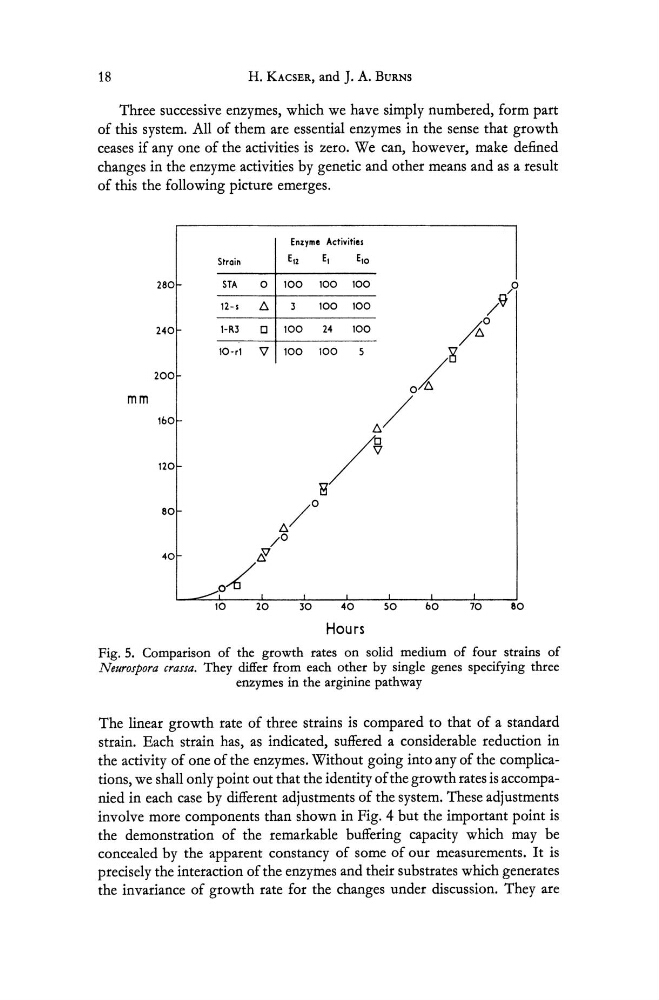
Fig. 5. Comparison of the growth rates on solid medium of four strains of
Neurospora crassa. They differ from each other by single genes specifying three
enzymes in the arginine pathway
The linear growth rate of three strains is compared to that of a standard
strain. Each strain has, as indicated, suffered a considerable reduction in
the activity of one of the enzymes. Without going into any of the complications, we shall only point out that the identity of the growth rates is accompanied in each case by different adjustments of the system. These adjustments
involve more components than shown in Fig. 4 but the important point is
the demonstration of the remarkable buffering capacity which may be
concealed by the apparent constancy of some of our measurements. It is
precisely the interaction of the enzymes and their substrates which generates
the invariance of growth rate for the changes under discussion. They are
H. KAesER, and J. A. BURNS
Three successive enzymes, which we have simply numbered, form part
of this system. All of them are essential enzymes in the sense that growth
ceases if anyone of the activities is zero. We can, however, make defined
changes in the enzyme activities by genetic and other means and as a result
of this the following picture emerges.
Enzyme Activities
Strain
E,.
E,
E,o
280
STA
0
100
100 100
P
f : : .
100 100
);J
12-s
240
1-R3
0
100
24
100
/t::.0
200
'l 100 100
' 8'
O£
10-rl
mm
lbO
f::./
120
/
H
10
20
30
40
50
bo
70
80
Hours
Fig. 5. Comparison of the growth rates on solid medium of four strains of
Neurospora crassa. They differ from each other by single genes specifying three
enzymes in the arginine pathway
The linear growth rate of three strains is compared to that of a standard
strain. Each strain has, as indicated, suffered a considerable reduction in
the activity of one of the enzymes. Without going into any of the complications, we shall only point out that the identity of the growth rates is accompanied in each case by different adjustments of the system. These adjustments
involve more components than shown in Fig. 4 but the important point is
the demonstration of the remarkable buffering capacity which may be
concealed by the apparent constancy of some of our measurements. It is
precisely the interaction of the enzymes and their substrates which generates
the invariance of growth rate for the changes under discussion. They are