

66
6
Q)
(,)
5
c
c 4
"'C
c 3
::J
..c
c 2
8'1
'"
'" c
E
0
..c
0
4
3
2
0
1
BSI
Cl
0
0
0
1
BSI
• beaches from Chile
f', beaches from Australia
o beaches from Oman
A beaches from Spain
2
2
E. Jaramillo and M. Lastra
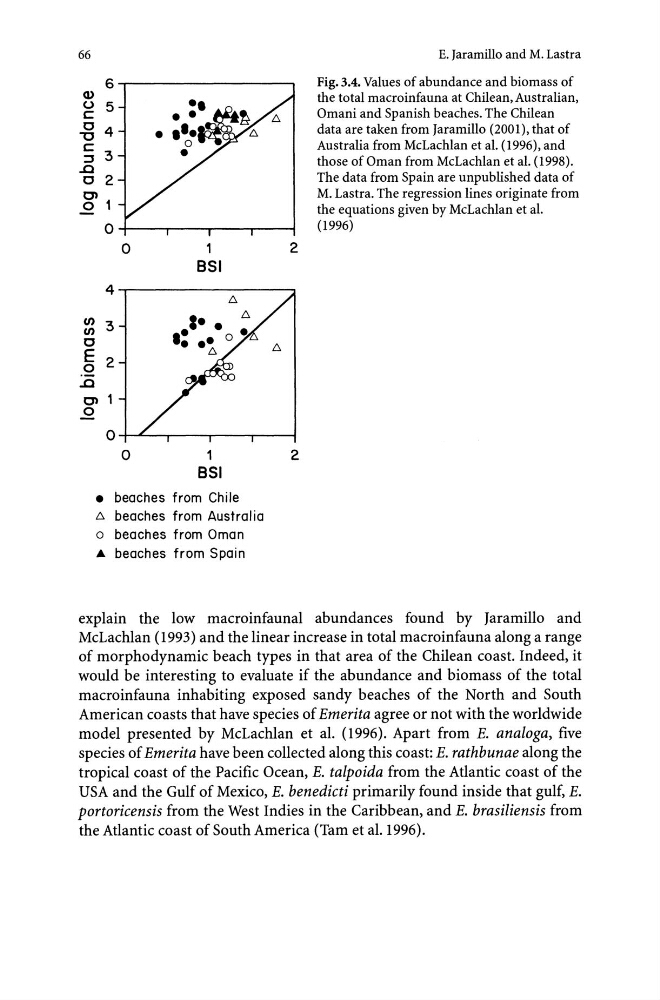
Fig. 3.4. Values of abundance and biomass of
the total macroinfauna at Chilean, Australian,
Omani and Spanish beaches. The Chilean
data are taken from Jaramillo (2001), that of
Australia from McLachlan et al. (1996), and
those of Oman from McLachlan et al. (1998) .
The data from Spain are unpublished data of
M. Lastra. The regression lines originate from
the equations given by McLachlan et al.
(1996)
explain the low macroinfaunal abundances found by Jaramillo and
McLachlan (1993) and the linear increase in total macroinfauna along a range
of morpho dynamic beach types in that area of the Chilean coast. Indeed, it
would be interesting to evaluate if the abundance and biomass of the total
macroinfauna inhabiting exposed sandy beaches of the North and South
American coasts that have species of Emerita agree or not with the worldwide
model presented by McLachlan et al. (1996). Apart from E. analoga, five
species of Emerita have been collected along this coast: E. rathbunae along the
tropical coast of the Pacific Ocean, E. talpoida from the Atlantic coast of the
USA and the Gulf of Mexico, E. benedicti primarily found inside that gulf, E.
portoricensis from the West Indies in the Caribbean, and E. brasiliensis from
the Atlantic coast of South America (Tam et al. 1996).
6
Q)
(,)
5
c
c 4
"'C
c 3
::J
..c
c 2
8'1
'"
'" c
E
0
..c
0
4
3
2
0
1
BSI
Cl
0
0
0
1
BSI
• beaches from Chile
f', beaches from Australia
o beaches from Oman
A beaches from Spain
2
2
E. Jaramillo and M. Lastra
Fig. 3.4. Values of abundance and biomass of
the total macroinfauna at Chilean, Australian,
Omani and Spanish beaches. The Chilean
data are taken from Jaramillo (2001), that of
Australia from McLachlan et al. (1996), and
those of Oman from McLachlan et al. (1998) .
The data from Spain are unpublished data of
M. Lastra. The regression lines originate from
the equations given by McLachlan et al.
(1996)
explain the low macroinfaunal abundances found by Jaramillo and
McLachlan (1993) and the linear increase in total macroinfauna along a range
of morpho dynamic beach types in that area of the Chilean coast. Indeed, it
would be interesting to evaluate if the abundance and biomass of the total
macroinfauna inhabiting exposed sandy beaches of the North and South
American coasts that have species of Emerita agree or not with the worldwide
model presented by McLachlan et al. (1996). Apart from E. analoga, five
species of Emerita have been collected along this coast: E. rathbunae along the
tropical coast of the Pacific Ocean, E. talpoida from the Atlantic coast of the
USA and the Gulf of Mexico, E. benedicti primarily found inside that gulf, E.
portoricensis from the West Indies in the Caribbean, and E. brasiliensis from
the Atlantic coast of South America (Tam et al. 1996).