

326
'"
o
0
0
0
0
00
0
0
0
0
•
. 0
4j
• • l-e
0
o
0
2
3
4
consumption
o
0
00
.. ,
5
0
•
J. van der Meer et al.
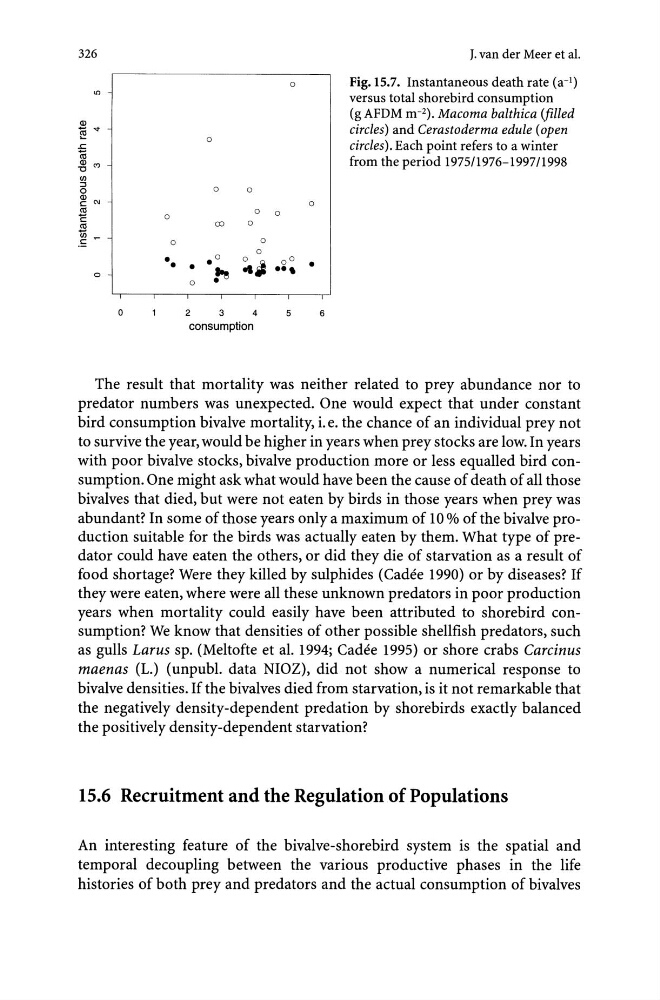
Fig.I5.7. Instantaneous death rate (a-I)
versus total shorebird consumption
(g AFDM m- 2 ). Macoma balthica (filled
circles) and Cerastoderma edule (open
circles). Each point refers to a winter
from the period 197511976-199711998
The result that mortality was neither related to prey abundance nor to
predator numbers was unexpected. One would expect that under constant
bird consumption bivalve mortality, i. e. the chance of an individual prey not
to survive the year, would be higher in years when prey stocks are low. In years
with poor bivalve stocks, bivalve production more or less equalled bird consumption. One might ask what would have been the cause of death of all those
bivalves that died, but were not eaten by birds in those years when prey was
abundant? In some of those years only a maximum of 10 % of the bivalve production suitable for the birds was actually eaten by them. What type of predator could have eaten the others, or did they die of starvation as a result of
food shortage? Were they killed by sulphides (Cadee 1990) or by diseases? If
they were eaten, where were all these unknown predators in poor production
years when mortality could easily have been attributed to shorebird consumption? We know that densities of other possible shellfish predators, such
as gulls Larus sp. (Meltofte et al. 1994; Cadee 1995) or shore crabs Carcinus
maenas (1.) (unpubl. data NIOZ), did not show a numerical response to
bivalve densities. If the bivalves died from starvation, is it not remarkable that
the negatively density-dependent predation by shorebirds exactly balanced
the positively density-dependent starvation?
15.6 Recruitment and the Regulation of Populations
An interesting feature of the bivalve-shorebird system is the spatial and
temporal decoupling between the various productive phases in the life
histories of both prey and predators and the actual consumption of bivalves
'"
o
0
0
0
0
00
0
0
0
0
•
. 0
4j
• • l-e
0
o
0
2
3
4
consumption
o
0
00
.. ,
5
0
•
J. van der Meer et al.
Fig.I5.7. Instantaneous death rate (a-I)
versus total shorebird consumption
(g AFDM m- 2 ). Macoma balthica (filled
circles) and Cerastoderma edule (open
circles). Each point refers to a winter
from the period 197511976-199711998
The result that mortality was neither related to prey abundance nor to
predator numbers was unexpected. One would expect that under constant
bird consumption bivalve mortality, i. e. the chance of an individual prey not
to survive the year, would be higher in years when prey stocks are low. In years
with poor bivalve stocks, bivalve production more or less equalled bird consumption. One might ask what would have been the cause of death of all those
bivalves that died, but were not eaten by birds in those years when prey was
abundant? In some of those years only a maximum of 10 % of the bivalve production suitable for the birds was actually eaten by them. What type of predator could have eaten the others, or did they die of starvation as a result of
food shortage? Were they killed by sulphides (Cadee 1990) or by diseases? If
they were eaten, where were all these unknown predators in poor production
years when mortality could easily have been attributed to shorebird consumption? We know that densities of other possible shellfish predators, such
as gulls Larus sp. (Meltofte et al. 1994; Cadee 1995) or shore crabs Carcinus
maenas (1.) (unpubl. data NIOZ), did not show a numerical response to
bivalve densities. If the bivalves died from starvation, is it not remarkable that
the negatively density-dependent predation by shorebirds exactly balanced
the positively density-dependent starvation?
15.6 Recruitment and the Regulation of Populations
An interesting feature of the bivalve-shorebird system is the spatial and
temporal decoupling between the various productive phases in the life
histories of both prey and predators and the actual consumption of bivalves