

12.2 ContinentaI Margin and Slope Basins
569
a OFF MOROCCO (CAPE BOJADOR)
NW
RISE
397
I S~~~E
I SHELF SE
-------------l--------T--------------- 0
CONTINENT AL SLOPES,
W. AFRICA
HEMIPELAGIC
DRAPE
CONTOURITES.
DISTAL TURBID.
TURBIDITES
VOLCANICL.
RAPID FILLING ......:::~52!t~~5~~P~
BY DEBRIS _ _
FLOWS, ETC .
LT. OLIGOC. TO
E. MIOCENE
EROSION
2
3
4
5
km
b OFF MOROCCO (UAD CRAA)
W
E
- ---- -------- --------------------------------- o
CH. CHANNELS
APTlAN· ALBIAN
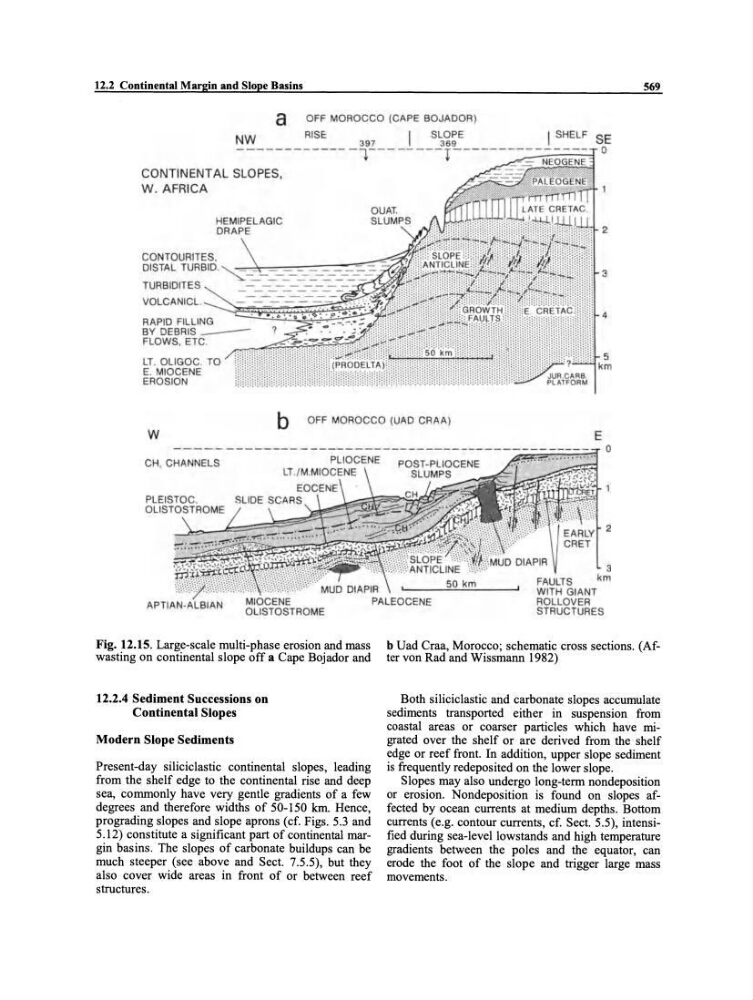
Fig. 12.15. Large-scale multi-phase erosion and mass
wasting on continental slope off a Cape Bojador and
12.2.4 Sediment Successions on
Continental Siopes
Modern Siope Sediments
Present-day siliciclastic continental slopes, leading
from the shelf edge to the continental rise and deep
sea, commonly have very gentie gradients of a few
degrees and therefore widths of 50-150 km. Hence,
prograding slopes and slope aprons (cf. Figs. 5.3 and
5.12) constitute a significant part of continental margin basins. The slopes of carbonate buildups can be
much steeper (see above and Sect. 7.5.5), but they
also cover wide areas in front of or between reef
structures.
2
3
FAULTS
km
WITH GIANT
ROLLOVER
STRUCTURES
b Uad Craa, Morocco; schematic cross sections. (After von Rad and Wissmann 1982)
Both siliciclastic and carbonate slopes accumulate
sediments transported either in suspension from
coastal areas or coarser particles which have rnigrated over the shelf or are derived from the shelf
edge or reef front. In addition, upper slope sediment
is frequently redeposited on the lower slope.
Slopes mayaiso undergo long-term nondeposition
or erosion. Nondeposition is found on slopes affected by ocean currents at medium depths. Bottom
currents (e.g. contour currents, cf. Sect. 5.5), intensified during sea-Ievellowstands and high temperature
gradients between the poles and the equator, can
erode the foot of the slope and trigger large mass
movements.