

486
a
RAPID FILLING
OF LAKE
STRONG INFLUENCE
OF LATERAL SEDIMENT
INFLUX
LlMITED INFLUECE OF LOW-RELIEF
OR SM ALL SEDIMENT SOURCE
b
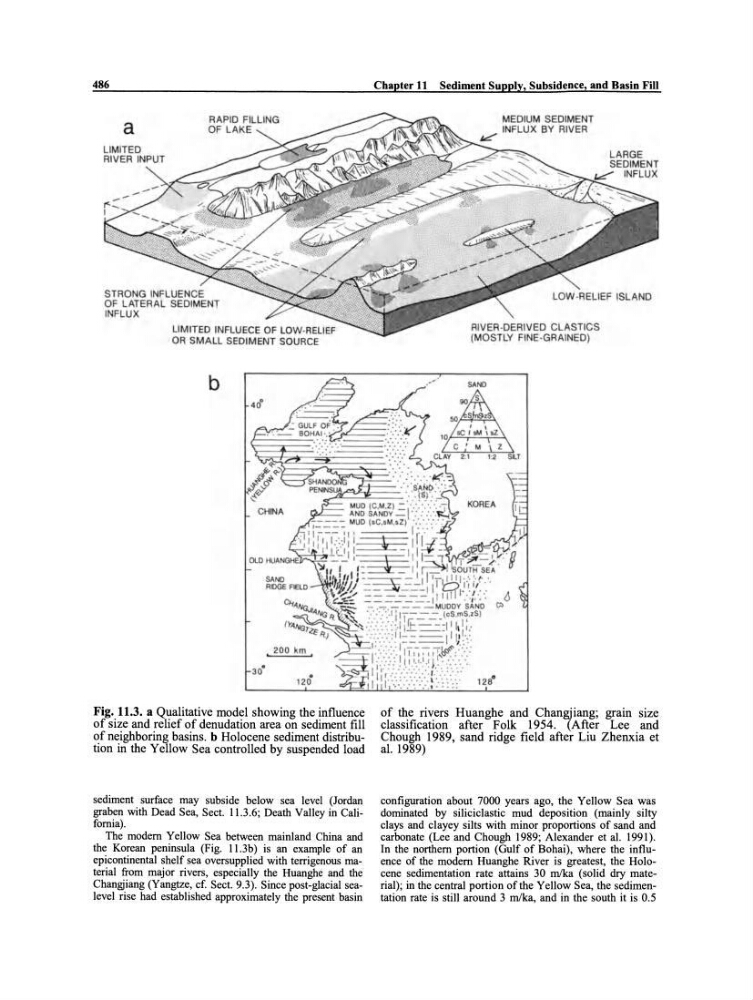
Fig. 11.3. a Qualitative model showing the influence
of size and relief of denudation area on sediment fill
of neighboring basins. b Holocene sediment distribution in the Yellow Sea controlled by suspended load
sediment surface may subside below sea level (Jordan
graben with Dead Sea, Sect. 11.3.6; Death Valley in California).
The modern Yellow Sea between mainland China and
the Korean peninsula (Fig. 11.3b) is an example of an
epicontinental shelf sea oversupplied with terrigenous material from major rivers, especially the Huanghe and the
Changjiang (Yangtze, cf. Sect. 9.3). Since post-glacial sealevel rise had established approximately the present basin
Chapter 11 Sediment Supply, Subsidence, and Basin Fill
MEDIUM SEDIMENT
INFLUX SY RIVER
MC"
LOW -RELIEF ISLAND
RIVER-DERIVEO CLAS TI CS
(MOSTLY FINE-GRAINED)
of the rivers Huanghe and Changjiang; grain size
classification after Folk 1954. (After Lee and
Chough 1989, sand ridge field after Liu Zhenxia et
al. 1989)
configuration about 7000 years ago, the Yellow Sea was
dominated by silicic1astic mud deposition (mainly silty
c1ays and c1ayey silts with minor proportions of sand and
carbonate (Lee and Chough 1989; Alexander et al. 1991).
In the northern portion (Gulf of Bohai), where the influence of the modern Huanghe River is greatest, the Holocene sedimentation rate attains 30 mika (solid dry material); in the central portion of the Yellow Sea, the sedimentation rate is still around 3 mika, and in the south it is 0.5
a
RAPID FILLING
OF LAKE
STRONG INFLUENCE
OF LATERAL SEDIMENT
INFLUX
LlMITED INFLUECE OF LOW-RELIEF
OR SM ALL SEDIMENT SOURCE
b
Fig. 11.3. a Qualitative model showing the influence
of size and relief of denudation area on sediment fill
of neighboring basins. b Holocene sediment distribution in the Yellow Sea controlled by suspended load
sediment surface may subside below sea level (Jordan
graben with Dead Sea, Sect. 11.3.6; Death Valley in California).
The modern Yellow Sea between mainland China and
the Korean peninsula (Fig. 11.3b) is an example of an
epicontinental shelf sea oversupplied with terrigenous material from major rivers, especially the Huanghe and the
Changjiang (Yangtze, cf. Sect. 9.3). Since post-glacial sealevel rise had established approximately the present basin
Chapter 11 Sediment Supply, Subsidence, and Basin Fill
MEDIUM SEDIMENT
INFLUX SY RIVER
MC"
LOW -RELIEF ISLAND
RIVER-DERIVEO CLAS TI CS
(MOSTLY FINE-GRAINED)
of the rivers Huanghe and Changjiang; grain size
classification after Folk 1954. (After Lee and
Chough 1989, sand ridge field after Liu Zhenxia et
al. 1989)
configuration about 7000 years ago, the Yellow Sea was
dominated by silicic1astic mud deposition (mainly silty
c1ays and c1ayey silts with minor proportions of sand and
carbonate (Lee and Chough 1989; Alexander et al. 1991).
In the northern portion (Gulf of Bohai), where the influence of the modern Huanghe River is greatest, the Holocene sedimentation rate attains 30 mika (solid dry material); in the central portion of the Yellow Sea, the sedimentation rate is still around 3 mika, and in the south it is 0.5