

11.2 Denudation-Sediment Accumulation Systems
+0.
POTENTIAL.:
SEDIMENT
ACCUMULATION
IN 10 Ma: 10 km
POTENTIAL
SEDIMENT
ACCUMULATION
IN 10 Ma:
1.000 m
100 m
100 m CLASTICS
485
HIGH RATE OF
MECHANICAL DENUDATION
(100 m/Ma)
..... SEA LEVEL
SUBSIDENCE 50 m/Ma
c
CLASTIC
BIOGENIC
MARINE
SEDIMENTS
LOW RATE OF
MECHANICAL DENUDATION
(10 m/Ma)
f
{ . '
.................. SEA LE VEL
SUBSIDENCE 50 m/Ma
+ 100 m BIOGENIC
COMPONENTS
10m CLASTICS + 100 m BIOGENIC COMPONENTS
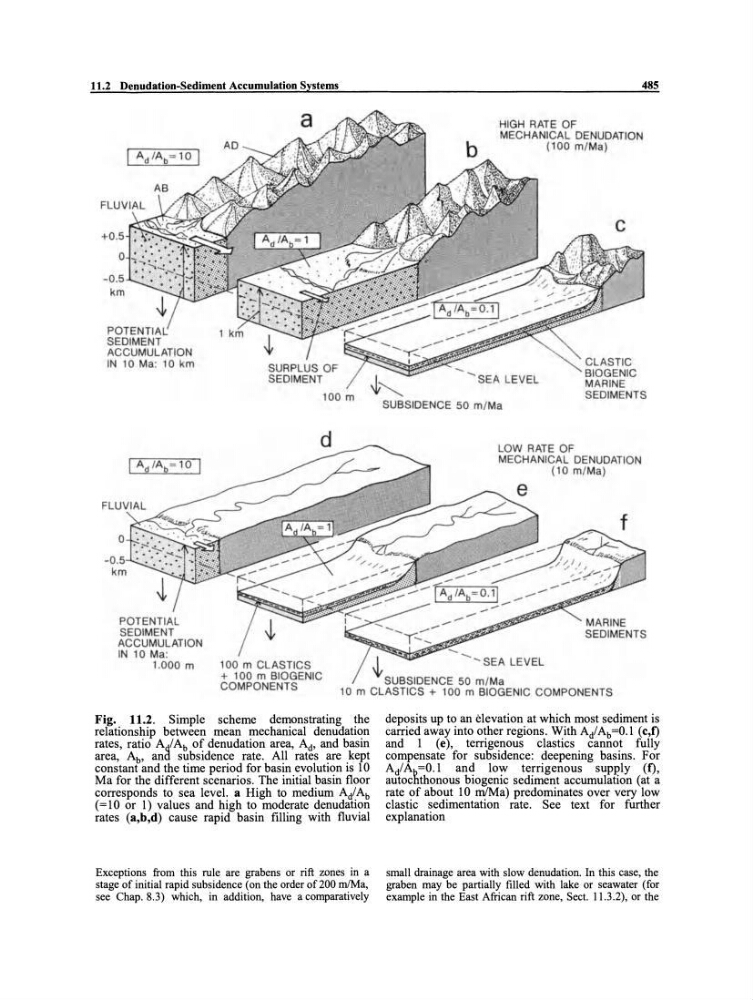
Fig. 11.2. Simple scheme demonstrating the
relationship between mean mechanical denudation
rates, ratio Aq/A b of denudation area, A d , and basin
area, Ab' and subsidence rate. All rates are kept
constant and the time period for basin evolution is 10
Ma for the different scenarios. The initial basin floor
corresponds to sea level. a High to medium Ai Ab
(= 1 0 or 1) values and high to moderate denudation
rates (a,b,d) cause rapid basin filling with fluvial
Exceptions from this rule are grabens or rift zones in a
stage of initial rapid subsidence (on the order of 200 m1Ma,
see Chap. 8.3) which, in addition, have a comparatively
deposits up to an elevation at which most sediment is
carried away into other regions. With AiAb=O.1 (e,f)
and 1 (e), terrigenous clastics cannot fully
compensate for subsidence: deepening basins. For
A d / Ab =0.1 and low terrigenous supply (f),
autochthonous biogenic sediment accumulation (at a
rate of about 10 mlMa) predominates over very low
clastic sedimentation rate. See text for further
explanation
small drainage area with slow denudation. In this case, the
graben may be partially filled with lake or seawater (for
example in the East African rift zone, Sect. 11.3.2), or the
+0.
POTENTIAL.:
SEDIMENT
ACCUMULATION
IN 10 Ma: 10 km
POTENTIAL
SEDIMENT
ACCUMULATION
IN 10 Ma:
1.000 m
100 m
100 m CLASTICS
485
HIGH RATE OF
MECHANICAL DENUDATION
(100 m/Ma)
..... SEA LEVEL
SUBSIDENCE 50 m/Ma
c
CLASTIC
BIOGENIC
MARINE
SEDIMENTS
LOW RATE OF
MECHANICAL DENUDATION
(10 m/Ma)
f
{ . '
.................. SEA LE VEL
SUBSIDENCE 50 m/Ma
+ 100 m BIOGENIC
COMPONENTS
10m CLASTICS + 100 m BIOGENIC COMPONENTS
Fig. 11.2. Simple scheme demonstrating the
relationship between mean mechanical denudation
rates, ratio Aq/A b of denudation area, A d , and basin
area, Ab' and subsidence rate. All rates are kept
constant and the time period for basin evolution is 10
Ma for the different scenarios. The initial basin floor
corresponds to sea level. a High to medium Ai Ab
(= 1 0 or 1) values and high to moderate denudation
rates (a,b,d) cause rapid basin filling with fluvial
Exceptions from this rule are grabens or rift zones in a
stage of initial rapid subsidence (on the order of 200 m1Ma,
see Chap. 8.3) which, in addition, have a comparatively
deposits up to an elevation at which most sediment is
carried away into other regions. With AiAb=O.1 (e,f)
and 1 (e), terrigenous clastics cannot fully
compensate for subsidence: deepening basins. For
A d / Ab =0.1 and low terrigenous supply (f),
autochthonous biogenic sediment accumulation (at a
rate of about 10 mlMa) predominates over very low
clastic sedimentation rate. See text for further
explanation
small drainage area with slow denudation. In this case, the
graben may be partially filled with lake or seawater (for
example in the East African rift zone, Sect. 11.3.2), or the