

434
GRANITE,
GNEISS
QUARTZITIC
SANDSTONE
Chapter 9 Denudation and Mass Transport
z
W
!Xl
a:
(!)
5
2
CARBONATE
CLAYSTONES
SAND+CARB.
10
CARBONATES,
SHALES
MOLASSE:
SANDS TONES
CLAYSTONES
10
km
+ EVAPORITES
40
50
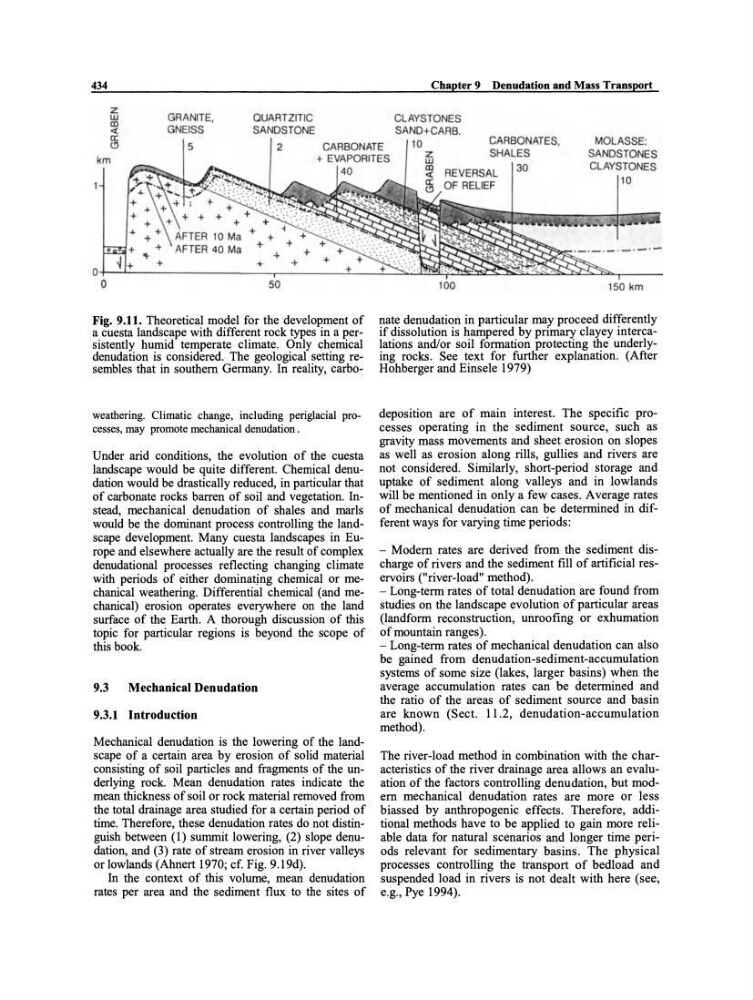
Fig. 9.11. Theoretical model for thedevelopment of
a cuesta landscape with different rock types in a persistently humid temperate climate. Only chemical
denudation is considered, The geological setting resembles that in southem Germany. In reality, carbo~
weathering. Climatic change, including periglacial processes, may promote mechanical denudation.
Under arid conditions, the evolution of the cuesta
landscape would be quite different. Chemical denudation would be drastically reduced, in particular that
of carbonate rocks barren of soil and vegetation. Instead, mechanical denudation of shales and marls
would be the dominant process controlling the landscape development. Many cuesta landscapes in Europe and elsewhere actually are the result of complex
denudational pro ces ses reflecting chan ging climate
with periods of either dominating chemie al or mechanical weathering. Differential chemie al (and mechanical) erosion operates everywhere on the land
surface of the Earth. A thorough discussion of this
topic for particular regions is· beyond the scope of
this book.
9.3
Mechanical Denudation
9.3.1 Introduction
Mechanical denudation is the lowering of the landscape of a certain area by erosion of solid material
consisting of soil particles and fragments of the underlying rock. Mean denudation rates indicate the
mean thickness of soil or rock material removed from
the total drainage area studied for a certain period of
time. Therefore, these denudation rates do not distinguish between (1) summit lowering, (2) slope denudation, and (3) rate of stream erosion in river valleys
or lowlands (Ahnert 1970; cf. Fig. 9.19d).
In the context of this volume, mean denudation
rates per area and the sediment flux to the sites of
30
100
150 km
nate denudation in particular may proceed differently
if dissolution is hampered by primary clayey intercalations and/or soil formation protecting the underlying rocks. See text for further explanation. (After
Hohberger and Einsele 1979)
deposition are of main interest. The specific processes operating in the sediment source, such as
gravity mass movements and sheet erosion on slopes
as well as erosion along rills, gullies and rivers are
not considered. Similarly, short-period storage and
uptake of sediment along valleys and in lowlands
will be mentioned in only a few cases. Average rates
of mechanical denudation can be determined in different ways for varying time periods:
- Modem rates are derived from the sediment discharge of rivers and the sediment fill of artificial reservoirs (ltriver-Ioad lt method).
- Long-term rates of total denudation are found from
studies on the lands cape evolution of particular areas
(landform reconstruction, unroofing or exhumation
of mountain ranges).
- Long-term rates of mechanical denudation can also
be gained from denudation-sediment-accumulation
systems of some size (lakes, larger basins) when the
average accumulation rates can be determined and
the ratio of the areas of sediment source and basin
are known (Sect. 11.2, denudation-accumulation
method).
The river-Ioad method in combination with the characteristics of the river drainage area allows an evaluation of the factors controlling denudation, but modem mechanical denudation rates are more or less
biassed by anthropogenic effects. Therefore, additional methods have to be applied to gain more reliable data for natural scenarios and longer time periods relevant for sedimentary basins. The physical
processes controlling the transport of bedload and
suspended load in rivers is not dealt with here (see,
e.g., Pye 1994).
GRANITE,
GNEISS
QUARTZITIC
SANDSTONE
Chapter 9 Denudation and Mass Transport
z
W
!Xl
a:
(!)
5
2
CARBONATE
CLAYSTONES
SAND+CARB.
10
CARBONATES,
SHALES
MOLASSE:
SANDS TONES
CLAYSTONES
10
km
+ EVAPORITES
40
50
Fig. 9.11. Theoretical model for thedevelopment of
a cuesta landscape with different rock types in a persistently humid temperate climate. Only chemical
denudation is considered, The geological setting resembles that in southem Germany. In reality, carbo~
weathering. Climatic change, including periglacial processes, may promote mechanical denudation.
Under arid conditions, the evolution of the cuesta
landscape would be quite different. Chemical denudation would be drastically reduced, in particular that
of carbonate rocks barren of soil and vegetation. Instead, mechanical denudation of shales and marls
would be the dominant process controlling the landscape development. Many cuesta landscapes in Europe and elsewhere actually are the result of complex
denudational pro ces ses reflecting chan ging climate
with periods of either dominating chemie al or mechanical weathering. Differential chemie al (and mechanical) erosion operates everywhere on the land
surface of the Earth. A thorough discussion of this
topic for particular regions is· beyond the scope of
this book.
9.3
Mechanical Denudation
9.3.1 Introduction
Mechanical denudation is the lowering of the landscape of a certain area by erosion of solid material
consisting of soil particles and fragments of the underlying rock. Mean denudation rates indicate the
mean thickness of soil or rock material removed from
the total drainage area studied for a certain period of
time. Therefore, these denudation rates do not distinguish between (1) summit lowering, (2) slope denudation, and (3) rate of stream erosion in river valleys
or lowlands (Ahnert 1970; cf. Fig. 9.19d).
In the context of this volume, mean denudation
rates per area and the sediment flux to the sites of
30
100
150 km
nate denudation in particular may proceed differently
if dissolution is hampered by primary clayey intercalations and/or soil formation protecting the underlying rocks. See text for further explanation. (After
Hohberger and Einsele 1979)
deposition are of main interest. The specific processes operating in the sediment source, such as
gravity mass movements and sheet erosion on slopes
as well as erosion along rills, gullies and rivers are
not considered. Similarly, short-period storage and
uptake of sediment along valleys and in lowlands
will be mentioned in only a few cases. Average rates
of mechanical denudation can be determined in different ways for varying time periods:
- Modem rates are derived from the sediment discharge of rivers and the sediment fill of artificial reservoirs (ltriver-Ioad lt method).
- Long-term rates of total denudation are found from
studies on the lands cape evolution of particular areas
(landform reconstruction, unroofing or exhumation
of mountain ranges).
- Long-term rates of mechanical denudation can also
be gained from denudation-sediment-accumulation
systems of some size (lakes, larger basins) when the
average accumulation rates can be determined and
the ratio of the areas of sediment source and basin
are known (Sect. 11.2, denudation-accumulation
method).
The river-Ioad method in combination with the characteristics of the river drainage area allows an evaluation of the factors controlling denudation, but modem mechanical denudation rates are more or less
biassed by anthropogenic effects. Therefore, additional methods have to be applied to gain more reliable data for natural scenarios and longer time periods relevant for sedimentary basins. The physical
processes controlling the transport of bedload and
suspended load in rivers is not dealt with here (see,
e.g., Pye 1994).