

9.2 Chemical Denudation
425
GANGES RIVER
, - t'-----,'~ : l
BASIN
AELIEF
I
, EVAPO!
TAANSPIAA TION
PAECIPITATION (mm/a) P
RESERVOIR
I
I
AUNOFF (mm/a or m 3 /a) A vf
RUNOFF
/
k ___ 't. -'------IJ VARIABILITY
CONCENTAATIONS (g/l)
DELIVERY
t!\
RATIO
) ~
~
YEAR
TOTAL LOADS (x 10 6 t/a)
SPECIFIC LOADS (t/km 2 /a)
INTERMITTENT
DEPOSITION
OF SOLIDS
/" si SOlUTES
""
1
680 :!~TOT Al
694 ~~bl ENUDATIONAl
DENUDATION AATES , DA
(mm/ka)
iH \DENUDATIONAl
~ SOlUTES
SOUDS ~: (751~1 -----i~~ SOLIDS I!ml 42
MECHANICAL
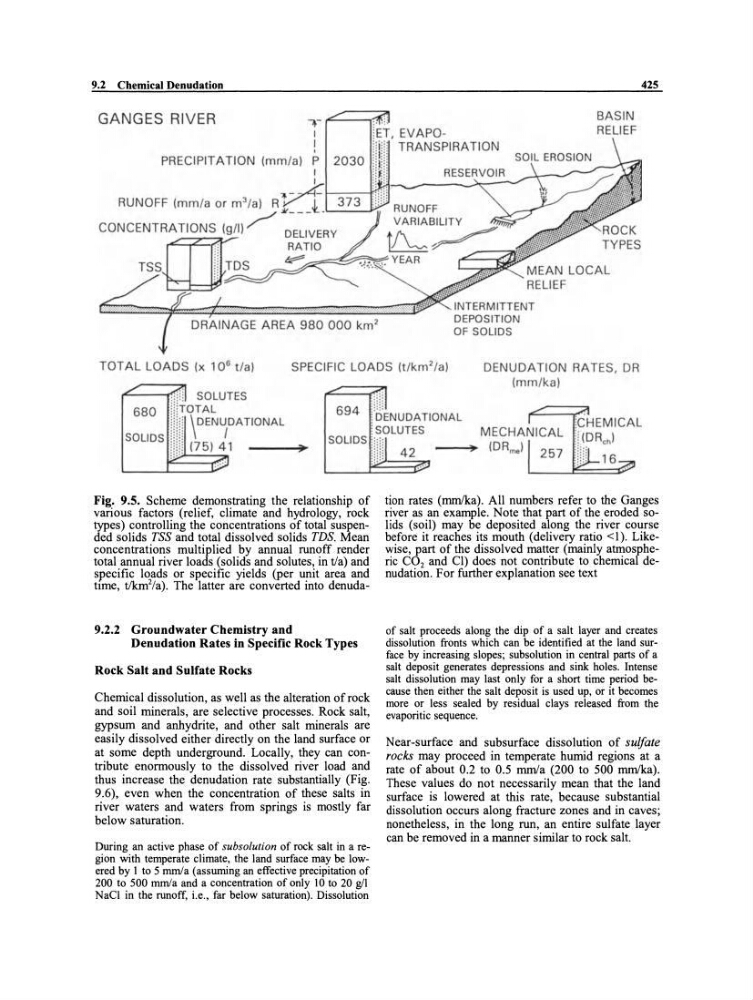
Fig. 9.5. Scheme demonstrating the relationship of
various factors (relief, climate and hydrology, rock
types) controlling the concentrations of total suspended solids TSS and total dissolved solids TDS. Mean
concentrations multiplied by annual runoff render
total annual river loads (solids and solutes, in tla) and
specific loads or specific yields (per unit area and
time, tlkm 2 /a). The latter are converted into denuda9.2.2 Groundwater Chemistry and
Denudation Rates in Specific Rock Types
Rock Salt and Sulfate Rocks
Chemical dissolution, as weH as the alteration of rock
and soil minerals, are selective processes. Rock salt,
gypsum and anhydrite, and other salt minerals are
easily dissolved either directly on the land surface or
at some depth underground. LocaHy, they can contribute enormously to the dissolved river load and
thus increase the denudation rate substantially (Fig.
9.6), even when the concentration of these salts in
river waters and waters from springs is mostly far
below saturation.
During an active phase of subsolution of rock salt in a region with temperate climate, the land surface may be lowered by I to 5 mmla (assuming an effective precipitation of
200 to 500 mmla and a concentration of only 10 to 20 gll
NaCI in the runoff, i.e., far below saturation). Dissolution
(DAme)
tion rates (mmlka). All numbers refer to the Ganges
river as an example. Note that part of the eroded solids (soil) may be deposited along the river course
before it reaches its mouth (delivery ratio <1). Likewise, part of the dissolved matter (rnainly atmospheric CO 2 and Cl) does not contribute to chemical denudation. For further explanation see text
of salt proceeds along the dip of a salt layer and creates
dissolution fronts which can be identified at the land surface by increasing slopes; subsolution in central parts of a
salt deposit generates depressions and sink holes. Intense
salt dissolution may last only for a short time period because then either the salt deposit is used up, or it becomes
more or less sealed by residual clays released from the
evaporitic sequence.
Near-surface and subsurface dissolution of sulfate
rocks may proceed in temperate humid regions at a
rate of about 0.2 to 0.5 mmla (200 to 500 mmlka).
These values do not necessarily mean that the land
surface is lowered at this rate, because substantial
dissolution occurs along fracture zones and in caves;
nonetheless, in the long run, an entire sulfate layer
can be removed in a rnanner similar to rock salto
425
GANGES RIVER
, - t'-----,'~ : l
BASIN
AELIEF
I
, EVAPO!
TAANSPIAA TION
PAECIPITATION (mm/a) P
RESERVOIR
I
I
AUNOFF (mm/a or m 3 /a) A vf
RUNOFF
/
k ___ 't. -'------IJ VARIABILITY
CONCENTAATIONS (g/l)
DELIVERY
t!\
RATIO
) ~
~
YEAR
TOTAL LOADS (x 10 6 t/a)
SPECIFIC LOADS (t/km 2 /a)
INTERMITTENT
DEPOSITION
OF SOLIDS
/" si SOlUTES
""
1
680 :!~TOT Al
694 ~~bl ENUDATIONAl
DENUDATION AATES , DA
(mm/ka)
iH \DENUDATIONAl
~ SOlUTES
SOUDS ~: (751~1 -----i~~ SOLIDS I!ml 42
MECHANICAL
Fig. 9.5. Scheme demonstrating the relationship of
various factors (relief, climate and hydrology, rock
types) controlling the concentrations of total suspended solids TSS and total dissolved solids TDS. Mean
concentrations multiplied by annual runoff render
total annual river loads (solids and solutes, in tla) and
specific loads or specific yields (per unit area and
time, tlkm 2 /a). The latter are converted into denuda9.2.2 Groundwater Chemistry and
Denudation Rates in Specific Rock Types
Rock Salt and Sulfate Rocks
Chemical dissolution, as weH as the alteration of rock
and soil minerals, are selective processes. Rock salt,
gypsum and anhydrite, and other salt minerals are
easily dissolved either directly on the land surface or
at some depth underground. LocaHy, they can contribute enormously to the dissolved river load and
thus increase the denudation rate substantially (Fig.
9.6), even when the concentration of these salts in
river waters and waters from springs is mostly far
below saturation.
During an active phase of subsolution of rock salt in a region with temperate climate, the land surface may be lowered by I to 5 mmla (assuming an effective precipitation of
200 to 500 mmla and a concentration of only 10 to 20 gll
NaCI in the runoff, i.e., far below saturation). Dissolution
(DAme)
tion rates (mmlka). All numbers refer to the Ganges
river as an example. Note that part of the eroded solids (soil) may be deposited along the river course
before it reaches its mouth (delivery ratio <1). Likewise, part of the dissolved matter (rnainly atmospheric CO 2 and Cl) does not contribute to chemical denudation. For further explanation see text
of salt proceeds along the dip of a salt layer and creates
dissolution fronts which can be identified at the land surface by increasing slopes; subsolution in central parts of a
salt deposit generates depressions and sink holes. Intense
salt dissolution may last only for a short time period because then either the salt deposit is used up, or it becomes
more or less sealed by residual clays released from the
evaporitic sequence.
Near-surface and subsurface dissolution of sulfate
rocks may proceed in temperate humid regions at a
rate of about 0.2 to 0.5 mmla (200 to 500 mmlka).
These values do not necessarily mean that the land
surface is lowered at this rate, because substantial
dissolution occurs along fracture zones and in caves;
nonetheless, in the long run, an entire sulfate layer
can be removed in a rnanner similar to rock salto