

308
Chapter 7 Sequences, Minor Cycles, and Event Stratigraphy
RAMP MARGIN, EFFECTS OF STORM-WAVE BASE AND
VARIATION IN TERAIGENOUS SEDIMENT SUPPLY
a
SEDIMENT INFLUX ---...,.
SED . BYPASSING
SEA LEVEL
~~
--;:- ~-~-=~-~-~~-~-~-:c~~ --" "7V'- ~_:~:ORM-WAVE BASE
.;;;;:::-..
_ ~V_-: , •
. . ~, - -=:._~
-.:;: _______ ,.1 __ \.L.
b
SEA LEVEL
P
-.:-~
o
DEPTH (m)
SEDIMENT SUPPLY
MFS
I
:2
I
:;0:. ",
Q
Ma
P
/ "
c
o
SEDIMENT
THICKNESS
(LINEAR SCALE)
SEDIMENT
"FIELD" WATER
5
4
THICKNESS
DEPTH (m)
20
50
UNCONFORMITY
TIME
------:.
SHALLOWING 6 Ma
Ma
1'3
f -2
I 1
I 0
I
CYCLE
, i
I 'i' -1
~L-2
LST
HST
TST
LST
WINNOWING
DEEPENING
I
I
J
i
I
r- HST T - - - - -· LST ----1- - - - TST - - - - THST l
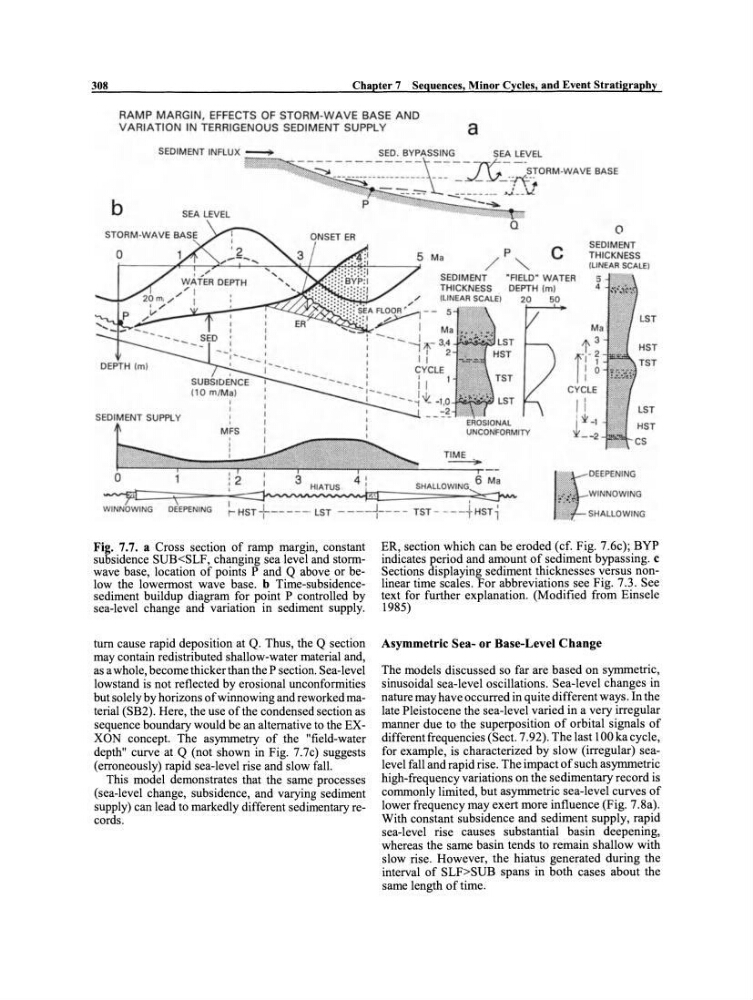
Fig. 7.7. a Cross seetion of ramp margin, eonstant
subsidenee SUB
turn cause rapid deposition at Q. Thus, the Q seetion
may eontain redistributed shallow-water material and,
as a whole, beeome thickerthan the P seetion. Sea-level
lowstand is not refleeted by erosional unconformities
but solely by horizons of winnowing and reworked material (SB2). Here, the use ofthecondensed seetion as
sequenee boundary would be an alternative to the EXXON eoncept. The asymmetry of the "field-water
depth" eurve at Q (not shown in Fig. 7.7c) suggests
(erroneously) rapid sea-level rise and slow fall.
This model demonstrates that the same processes
(sea-Ievel change, subsidence, and varying sediment
supply) can lead to markedly different sedimentary records.
ER, seetion whieh ean be eroded (cf. Fig. 7.6e); BYP
indicates period and amount of sediment bypassing. e
Seetions displaying sediment thieknesses versus nonlinear time scales. For abbreviations see Fig. 7.3. See
text for further explanation. (Modified from Einseie
1985)
Asymmetrie Sea- or Base-Level Change
The models discussed so far are based on symmetrie,
sinusoidal sea-level oscillations. Sea-Ievel changes in
nature may have oeeurred in quite different ways. In the
late Pleistocene the sea-Ievel varied in a very irregular
manner due to the superposition of orbital signals of
different frequeneies (Sect. 7.92). The last 100 ka cyde,
for example, is characterized by slow (irregular) sealevel fall and rapid rise. The impact of such asymmetrie
high-frequeney variations on the sedimentary reeord is
eommonly limited, but asymmetrie sea-Ievel eurves of
lower frequeney may exert more influenee (Fig. 7.8a).
With eonstant subsidenee and sediment supply, rapid
sea-level rise eauses substantial basin deepening,
whereas the same basin tends to remain shallow with
slow rise. However, the hiatus generated during the
interval of SLF>SUB spans in both eases about the
same length of time.
Chapter 7 Sequences, Minor Cycles, and Event Stratigraphy
RAMP MARGIN, EFFECTS OF STORM-WAVE BASE AND
VARIATION IN TERAIGENOUS SEDIMENT SUPPLY
a
SEDIMENT INFLUX ---...,.
SED . BYPASSING
SEA LEVEL
~~
--;:- ~-~-=~-~-~~-~-~-:c~~ --" "7V'- ~_:~:ORM-WAVE BASE
.;;;;:::-..
_ ~V_-: , •
. . ~, - -=:._~
-.:;: _______ ,.1 __ \.L.
b
SEA LEVEL
P
-.:-~
o
DEPTH (m)
SEDIMENT SUPPLY
MFS
I
:2
I
:;0:. ",
Q
Ma
P
/ "
c
o
SEDIMENT
THICKNESS
(LINEAR SCALE)
SEDIMENT
"FIELD" WATER
5
4
THICKNESS
DEPTH (m)
20
50
UNCONFORMITY
TIME
------:.
SHALLOWING 6 Ma
Ma
1'3
f -2
I 1
I 0
I
CYCLE
, i
I 'i' -1
~L-2
LST
HST
TST
LST
WINNOWING
DEEPENING
I
I
J
i
I
r- HST T - - - - -· LST ----1- - - - TST - - - - THST l
Fig. 7.7. a Cross seetion of ramp margin, eonstant
subsidenee SUB
turn cause rapid deposition at Q. Thus, the Q seetion
may eontain redistributed shallow-water material and,
as a whole, beeome thickerthan the P seetion. Sea-level
lowstand is not refleeted by erosional unconformities
but solely by horizons of winnowing and reworked material (SB2). Here, the use ofthecondensed seetion as
sequenee boundary would be an alternative to the EXXON eoncept. The asymmetry of the "field-water
depth" eurve at Q (not shown in Fig. 7.7c) suggests
(erroneously) rapid sea-level rise and slow fall.
This model demonstrates that the same processes
(sea-Ievel change, subsidence, and varying sediment
supply) can lead to markedly different sedimentary records.
ER, seetion whieh ean be eroded (cf. Fig. 7.6e); BYP
indicates period and amount of sediment bypassing. e
Seetions displaying sediment thieknesses versus nonlinear time scales. For abbreviations see Fig. 7.3. See
text for further explanation. (Modified from Einseie
1985)
Asymmetrie Sea- or Base-Level Change
The models discussed so far are based on symmetrie,
sinusoidal sea-level oscillations. Sea-Ievel changes in
nature may have oeeurred in quite different ways. In the
late Pleistocene the sea-Ievel varied in a very irregular
manner due to the superposition of orbital signals of
different frequeneies (Sect. 7.92). The last 100 ka cyde,
for example, is characterized by slow (irregular) sealevel fall and rapid rise. The impact of such asymmetrie
high-frequeney variations on the sedimentary reeord is
eommonly limited, but asymmetrie sea-Ievel eurves of
lower frequeney may exert more influenee (Fig. 7.8a).
With eonstant subsidenee and sediment supply, rapid
sea-level rise eauses substantial basin deepening,
whereas the same basin tends to remain shallow with
slow rise. However, the hiatus generated during the
interval of SLF>SUB spans in both eases about the
same length of time.