

96
Chapter 3 Coastal and Shallow Sea Sediments
DEVElOPMENT
OF COASTAl
MORPHOlOGY
b
c
a
e
BEACH DRIFT
lONGSHORE
SAND TRANSPORT
...... .. :TII" .. ·NG UP
OF SAND
TRANSPORT IN
BREAKER ZONE
OFFSHORE SllT, ClAY, AND SAND
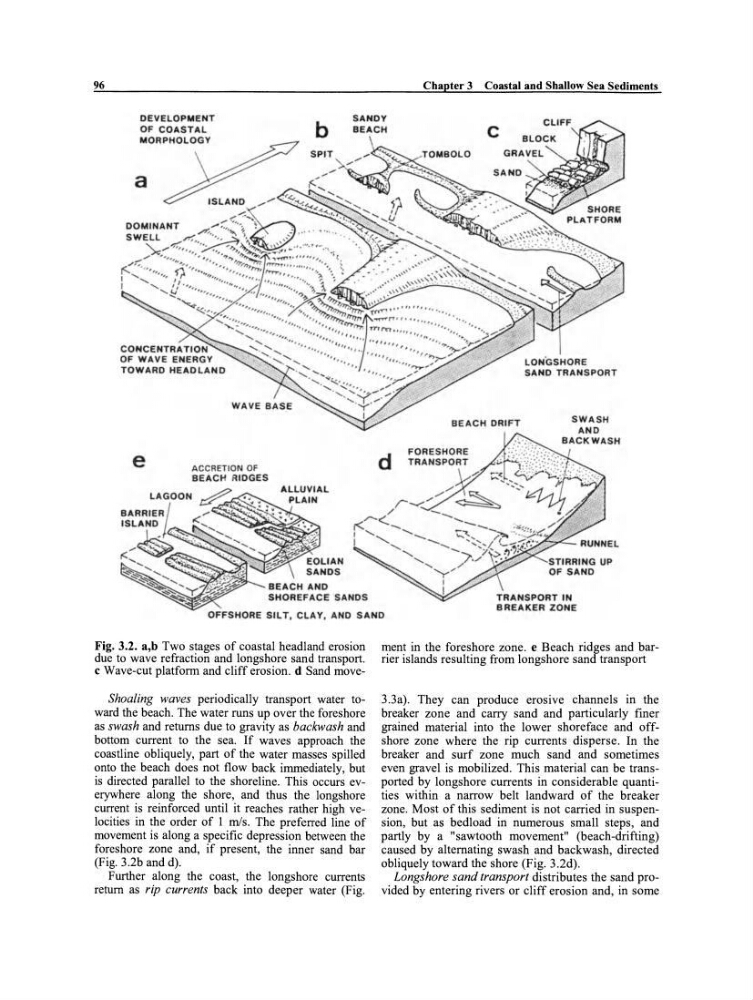
Fig. 3.2. a,b Two stages of coastal headland erosion
due to wave refraction and longshore sand transport.
e Wave-cut platform and cliff erosion. d Sand moveShoaling waves periodically transport water toward the beach. The water runs up over the foreshore
as swash and returns due to gravity as backwash and
bottom current to the sea. If waves approach the
coastline obliquely, part of the water masses spilled
onto the beach does not flow back immediately, but
is directed parallel to the shoreline. This occurs everywhere along the shore, and thus the longshore
current is reinforced until it reaches rather high velocities in the order of I m/s. The preferred line of
movement is along a specific depression between the
foreshore zone and, if present, the inner sand bar
(Fig. 3.2b and d).
Further along the coast, the longshore currents
return as rip currents back into deeper water (Fig.
ment in the foreshore zone. e Beach ridges and barrier islands resulting from longshore sand transport
3.3a). They can produce erosive channels in the
breaker zone and carry sand and particularly finer
grained material into the lower shoreface and offshore zone where the rip currents disperse. In the
breaker and surf zone much sand and sometimes
even gravel is mobilized. This material can be transported by longshore currents in considerable quantities within a narrow belt landward of the breaker
zone. Most of this sediment is not carried in suspension, but as bedload in numerous small steps, and
partly by a "sawtooth movement" (beach-drifting)
caused by altemating swash and backwash, directed
obliquely toward the shore (Fig. 3.2d).
Longshore sand transport distributes the sand provided by entering rivers or cliff erosion and, in some
Chapter 3 Coastal and Shallow Sea Sediments
DEVElOPMENT
OF COASTAl
MORPHOlOGY
b
c
a
e
BEACH DRIFT
lONGSHORE
SAND TRANSPORT
...... .. :TII" .. ·NG UP
OF SAND
TRANSPORT IN
BREAKER ZONE
OFFSHORE SllT, ClAY, AND SAND
Fig. 3.2. a,b Two stages of coastal headland erosion
due to wave refraction and longshore sand transport.
e Wave-cut platform and cliff erosion. d Sand moveShoaling waves periodically transport water toward the beach. The water runs up over the foreshore
as swash and returns due to gravity as backwash and
bottom current to the sea. If waves approach the
coastline obliquely, part of the water masses spilled
onto the beach does not flow back immediately, but
is directed parallel to the shoreline. This occurs everywhere along the shore, and thus the longshore
current is reinforced until it reaches rather high velocities in the order of I m/s. The preferred line of
movement is along a specific depression between the
foreshore zone and, if present, the inner sand bar
(Fig. 3.2b and d).
Further along the coast, the longshore currents
return as rip currents back into deeper water (Fig.
ment in the foreshore zone. e Beach ridges and barrier islands resulting from longshore sand transport
3.3a). They can produce erosive channels in the
breaker zone and carry sand and particularly finer
grained material into the lower shoreface and offshore zone where the rip currents disperse. In the
breaker and surf zone much sand and sometimes
even gravel is mobilized. This material can be transported by longshore currents in considerable quantities within a narrow belt landward of the breaker
zone. Most of this sediment is not carried in suspension, but as bedload in numerous small steps, and
partly by a "sawtooth movement" (beach-drifting)
caused by altemating swash and backwash, directed
obliquely toward the shore (Fig. 3.2d).
Longshore sand transport distributes the sand provided by entering rivers or cliff erosion and, in some