

15 The Europipe Landfall Project
161
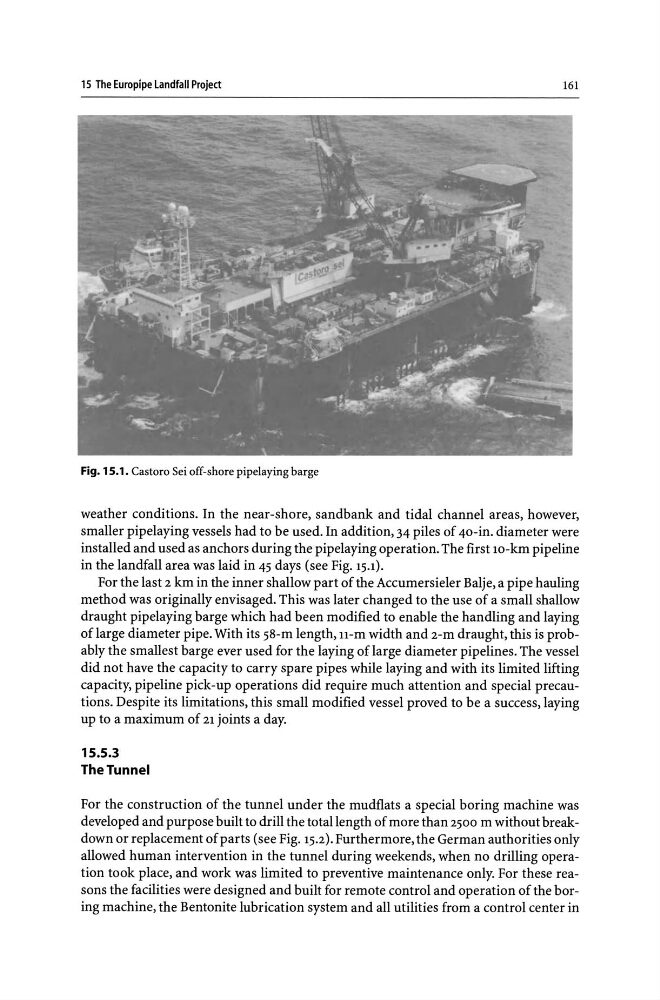
Fig. 15.1. Castoro Sei off-shore pipelaying barge
weather conditions. In the near-shore, sandbank and tidal channel areas, however,
smaller pipelaying vessels had to be used. In addition, 34 piles of 40-in. diameter were
installed and used as anchors during the pipe1aying operation. The first 10-km pipeline
in the landfall area was laid in 45 days (see Fig. 15.1).
For the last 2 km in the inner shallow part of the Accumersieler Balje, a pipe hauling
method was originally envisaged. This was later changed to the use of a small shallow
draught pipelaying barge which had been modified to enable the handling and laying
oflarge diameter pipe. With its 58-m length, ll-m width and 2-m draught, this is probably the smallest barge ever used for the laying of large diameter pipelines. The vessel
did not have the capacity to carry spare pipes while laying and with its limited lifting
capacity, pipeline pick-up operations did require much attention and special precautions. Despite its limitations, this small modified vessel proved to be a success, laying
up to a maximum of 21 joints a day.
15.5.3
The Tunnel
For the construction of the tunnel under the mudflats a special boring machine was
developed and purpose built to drill the total length of more than 2500 m without breakdown or replacement of parts (see Fig. 15.2). Furthermore, the German authorities only
allowed human intervention in the tunnel during weekends, when no drilling operation took place, and work was limited to preventive maintenance only. For these reasons the facilities were designed and built for remote control and operation of the boring machine, the Bentonite lubrication system and all utilities from a control center in
161
Fig. 15.1. Castoro Sei off-shore pipelaying barge
weather conditions. In the near-shore, sandbank and tidal channel areas, however,
smaller pipelaying vessels had to be used. In addition, 34 piles of 40-in. diameter were
installed and used as anchors during the pipe1aying operation. The first 10-km pipeline
in the landfall area was laid in 45 days (see Fig. 15.1).
For the last 2 km in the inner shallow part of the Accumersieler Balje, a pipe hauling
method was originally envisaged. This was later changed to the use of a small shallow
draught pipelaying barge which had been modified to enable the handling and laying
oflarge diameter pipe. With its 58-m length, ll-m width and 2-m draught, this is probably the smallest barge ever used for the laying of large diameter pipelines. The vessel
did not have the capacity to carry spare pipes while laying and with its limited lifting
capacity, pipeline pick-up operations did require much attention and special precautions. Despite its limitations, this small modified vessel proved to be a success, laying
up to a maximum of 21 joints a day.
15.5.3
The Tunnel
For the construction of the tunnel under the mudflats a special boring machine was
developed and purpose built to drill the total length of more than 2500 m without breakdown or replacement of parts (see Fig. 15.2). Furthermore, the German authorities only
allowed human intervention in the tunnel during weekends, when no drilling operation took place, and work was limited to preventive maintenance only. For these reasons the facilities were designed and built for remote control and operation of the boring machine, the Bentonite lubrication system and all utilities from a control center in