

138
A.C. Smaal . A. van der Hoek
landscape and environment, the maintenance of saline conditions and the preservation of marshes by shore protection measures. The strategy was developed in response to the public demand for conservation and protection of the valuable features of tidal systems, particularly the Oosterschelde estuary. It led to a change in
the water management of the Veere and Grevelingen lakes. The drawback of this
focus on preserving existing features 'where they are now' is the need for ongoing
intensive care because the natural ability to adapt has not been restored.
• Adaptive management based on functional properties of ecosystems and their interactions, as integrated elements of the landscape structure, and characterized by
self-regulation and self-organization, i.e. homeostasis and resilient responses to
perturbations. This strategy aims at environmental protection and at restoring and
developing valuable features 'where they must be'. The development is intended to
be sustainable, so estuarine gradients are being re-established by reintroducing tidal
influence and by restoring tidal habitats. It is currently being decided how to restore
tidal influence in the Haringvliet area, to increase the salinity gradient in the
Oosterschelde and to restore intertidal habitats in the Westerschelde.
12.4
The Decision Making Process and Lessons Learned
As shown above, the aims of the Delta project have evolved from protection against
storm floods to a whole suite of socio-economic aims. The actors in this process have
been local people and the general public, politicians and government water managers
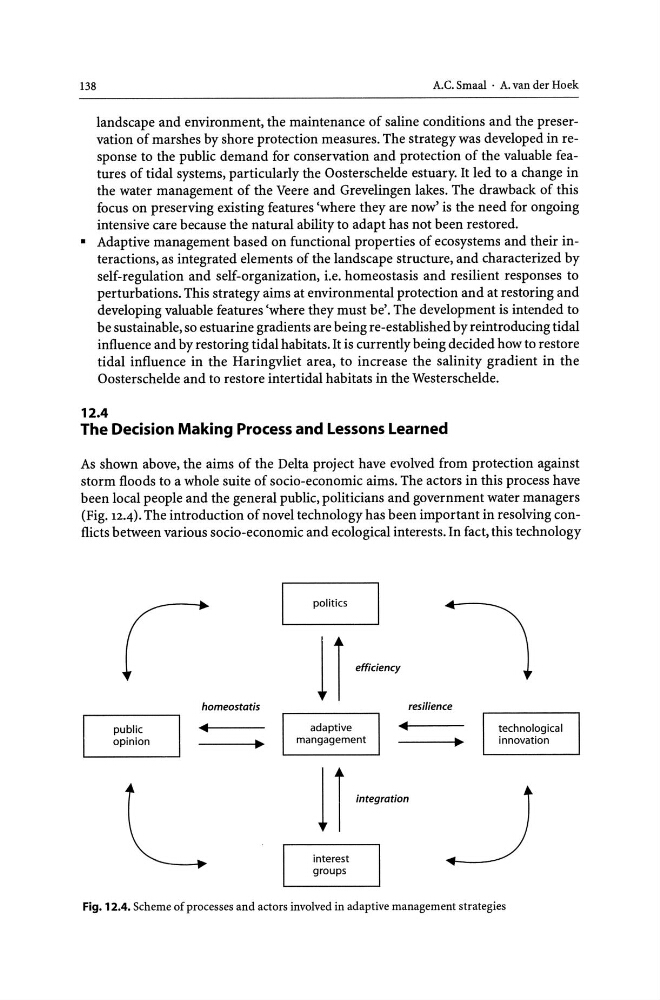
(Fig. 12.4). The introduction of novel technology has been important in resolving conflicts between various socio-economic and ecological interests. In fact, this technology
r
public
opinion
homeostatis
L
politics
adaptive
mangagement
interest
groups
resilience
technological
innovation
Fig. 12.4. Scheme of processes and actors involved in adaptive management strategies
A.C. Smaal . A. van der Hoek
landscape and environment, the maintenance of saline conditions and the preservation of marshes by shore protection measures. The strategy was developed in response to the public demand for conservation and protection of the valuable features of tidal systems, particularly the Oosterschelde estuary. It led to a change in
the water management of the Veere and Grevelingen lakes. The drawback of this
focus on preserving existing features 'where they are now' is the need for ongoing
intensive care because the natural ability to adapt has not been restored.
• Adaptive management based on functional properties of ecosystems and their interactions, as integrated elements of the landscape structure, and characterized by
self-regulation and self-organization, i.e. homeostasis and resilient responses to
perturbations. This strategy aims at environmental protection and at restoring and
developing valuable features 'where they must be'. The development is intended to
be sustainable, so estuarine gradients are being re-established by reintroducing tidal
influence and by restoring tidal habitats. It is currently being decided how to restore
tidal influence in the Haringvliet area, to increase the salinity gradient in the
Oosterschelde and to restore intertidal habitats in the Westerschelde.
12.4
The Decision Making Process and Lessons Learned
As shown above, the aims of the Delta project have evolved from protection against
storm floods to a whole suite of socio-economic aims. The actors in this process have
been local people and the general public, politicians and government water managers
(Fig. 12.4). The introduction of novel technology has been important in resolving conflicts between various socio-economic and ecological interests. In fact, this technology
r
public
opinion
homeostatis
L
politics
adaptive
mangagement
interest
groups
resilience
technological
innovation
Fig. 12.4. Scheme of processes and actors involved in adaptive management strategies