

67
4 Characteristics and Formation Process
Diamonds Diamonds extracted from continental geological formations are transported by river and found in marine sediment on the continental shelf. Diamondbearing areas are mined off the coast of Namibia and South Africa. Diamond mining
takes place at depths of up to 200 m. Since the early 1990s, the company De Beers
has extracted 50 % of its production from submarine deposits.
Phosphates Remains of marine organisms accumulate in the sediment and release
phosphorous, which precipitates to form phosphate “nodules”. These balls grow
1 to 10 mm in a 1,000 years and reach phosphate concentrations of 12 to 18 %.
Certain phosphate nodules can also be rich in uranium. These mineral deposits are
formed on submarine terraces, in areas of high productivity related to the upwelling
of deep waters rich in nutritive elements. They are generally found in waters less
than 1,000 m deep in tropical regions. Most deposits date back to the Miocene (5 to
23 million years).
Phosphorous is an essential nutrient for all living organisms’ growth. Its global
annual consumption is 150 million tonnes. Known land-based reserves represent
around 50 years’ consumption. In 2007, an exploration license was obtained by the
company Bonaparte for this type of deposit off Namibia, and prospecting began
at depths of 150 to 300 m. The discovery of a sufficiently rich deposit—around
50 million tonnes of sediment containing between 10 and 15 % phosphates—would
allow profitable exploitation for over 20 years.
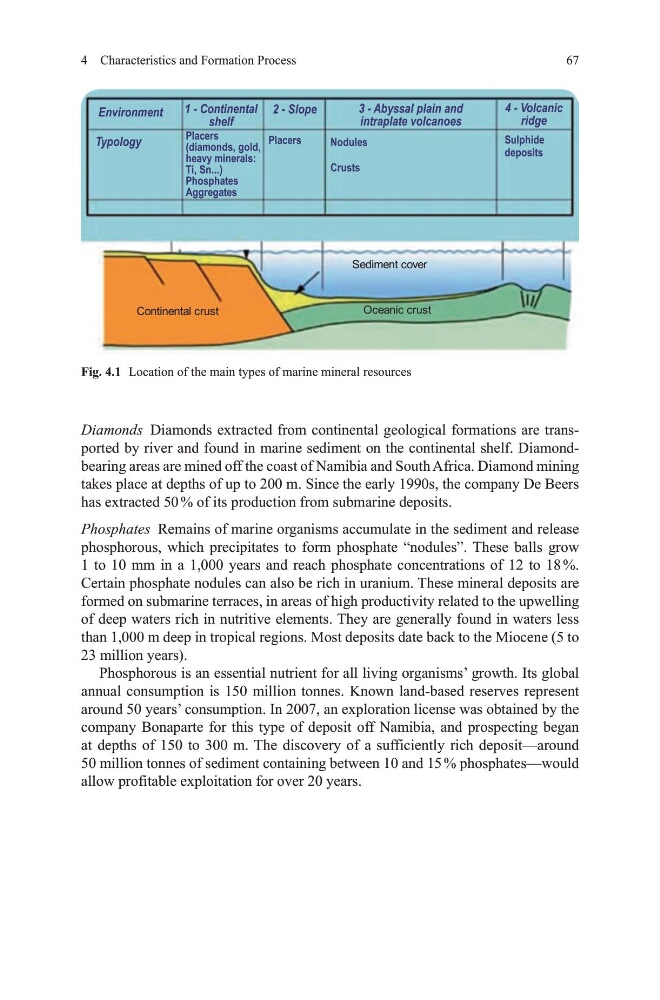
Fig. 4.1 Location of the main types of marine mineral resources
4 Characteristics and Formation Process
Diamonds Diamonds extracted from continental geological formations are transported by river and found in marine sediment on the continental shelf. Diamondbearing areas are mined off the coast of Namibia and South Africa. Diamond mining
takes place at depths of up to 200 m. Since the early 1990s, the company De Beers
has extracted 50 % of its production from submarine deposits.
Phosphates Remains of marine organisms accumulate in the sediment and release
phosphorous, which precipitates to form phosphate “nodules”. These balls grow
1 to 10 mm in a 1,000 years and reach phosphate concentrations of 12 to 18 %.
Certain phosphate nodules can also be rich in uranium. These mineral deposits are
formed on submarine terraces, in areas of high productivity related to the upwelling
of deep waters rich in nutritive elements. They are generally found in waters less
than 1,000 m deep in tropical regions. Most deposits date back to the Miocene (5 to
23 million years).
Phosphorous is an essential nutrient for all living organisms’ growth. Its global
annual consumption is 150 million tonnes. Known land-based reserves represent
around 50 years’ consumption. In 2007, an exploration license was obtained by the
company Bonaparte for this type of deposit off Namibia, and prospecting began
at depths of 150 to 300 m. The discovery of a sufficiently rich deposit—around
50 million tonnes of sediment containing between 10 and 15 % phosphates—would
allow profitable exploitation for over 20 years.
Fig. 4.1 Location of the main types of marine mineral resources