

of global cooling caused erosion and redeposition of
unconsolidated sediments on the deep ocean floor.
Because the deep ocean waters are corrosive to the CaCO 3
skeletal materials of oceanic plankton, their erosion and
resuspension often resulted dissolution, destroying the
fossil record of their reworking into younger sediments.
Erosion, suspension, transport, and deposition of
sediment on the ocean floor
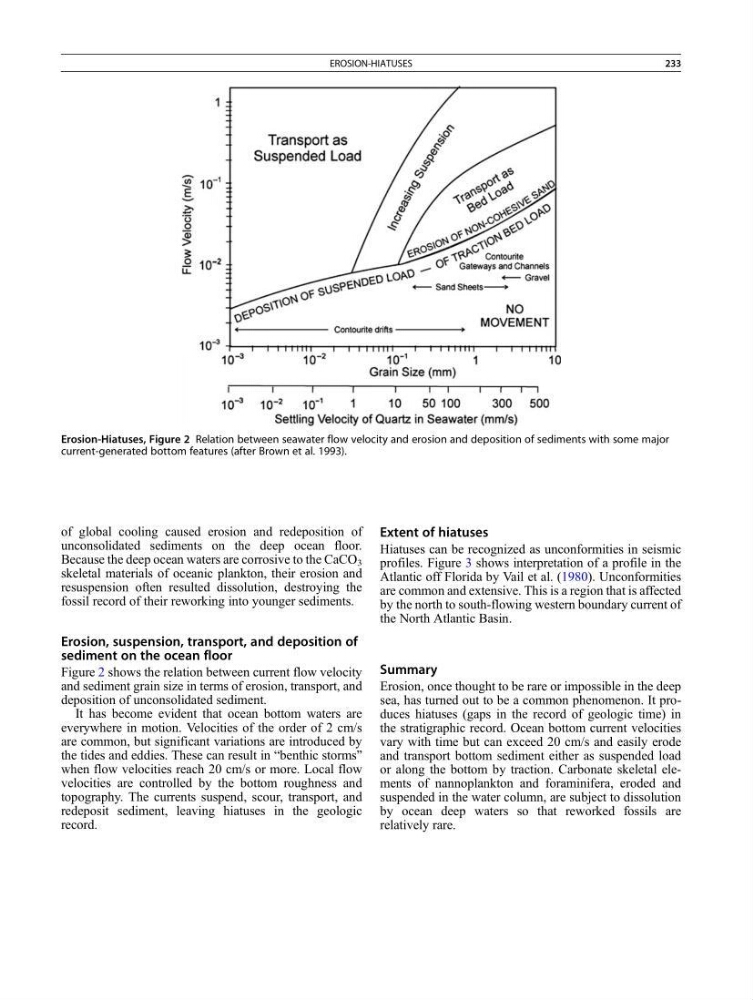
Figure 2 shows the relation between current flow velocity
and sediment grain size in terms of erosion, transport, and
deposition of unconsolidated sediment.
It has become evident that ocean bottom waters are
everywhere in motion. Velocities of the order of 2 cm/s
are common, but significant variations are introduced by
the tides and eddies. These can result in “benthic storms”
when flow velocities reach 20 cm/s or more. Local flow
velocities are controlled by the bottom roughness and
topography. The currents suspend, scour, transport, and
redeposit sediment, leaving hiatuses in the geologic
record.
Extent of hiatuses
Hiatuses can be recognized as unconformities in seismic
profiles. Figure 3 shows interpretation of a profile in the
Atlantic off Florida by Vail et al. (1980). Unconformities
are common and extensive. This is a region that is affected
by the north to south-flowing western boundary current of
the North Atlantic Basin.
Summary
Erosion, once thought to be rare or impossible in the deep
sea, has turned out to be a common phenomenon. It produces hiatuses (gaps in the record of geologic time) in
the stratigraphic record. Ocean bottom current velocities
vary with time but can exceed 20 cm/s and easily erode
and transport bottom sediment either as suspended load
or along the bottom by traction. Carbonate skeletal elements of nannoplankton and foraminifera, eroded and
suspended in the water column, are subject to dissolution
by ocean deep waters so that reworked fossils are
relatively rare.
Erosion-Hiatuses, Figure 2 Relation between seawater flow velocity and erosion and deposition of sediments with some major
current-generated bottom features (after Brown et al. 1993).
EROSION-HIATUSES
233
unconsolidated sediments on the deep ocean floor.
Because the deep ocean waters are corrosive to the CaCO 3
skeletal materials of oceanic plankton, their erosion and
resuspension often resulted dissolution, destroying the
fossil record of their reworking into younger sediments.
Erosion, suspension, transport, and deposition of
sediment on the ocean floor
Figure 2 shows the relation between current flow velocity
and sediment grain size in terms of erosion, transport, and
deposition of unconsolidated sediment.
It has become evident that ocean bottom waters are
everywhere in motion. Velocities of the order of 2 cm/s
are common, but significant variations are introduced by
the tides and eddies. These can result in “benthic storms”
when flow velocities reach 20 cm/s or more. Local flow
velocities are controlled by the bottom roughness and
topography. The currents suspend, scour, transport, and
redeposit sediment, leaving hiatuses in the geologic
record.
Extent of hiatuses
Hiatuses can be recognized as unconformities in seismic
profiles. Figure 3 shows interpretation of a profile in the
Atlantic off Florida by Vail et al. (1980). Unconformities
are common and extensive. This is a region that is affected
by the north to south-flowing western boundary current of
the North Atlantic Basin.
Summary
Erosion, once thought to be rare or impossible in the deep
sea, has turned out to be a common phenomenon. It produces hiatuses (gaps in the record of geologic time) in
the stratigraphic record. Ocean bottom current velocities
vary with time but can exceed 20 cm/s and easily erode
and transport bottom sediment either as suspended load
or along the bottom by traction. Carbonate skeletal elements of nannoplankton and foraminifera, eroded and
suspended in the water column, are subject to dissolution
by ocean deep waters so that reworked fossils are
relatively rare.
Erosion-Hiatuses, Figure 2 Relation between seawater flow velocity and erosion and deposition of sediments with some major
current-generated bottom features (after Brown et al. 1993).
EROSION-HIATUSES
233