

16
POLICY RESPONSE
OPTIONS
SOCIO-ECONOMIC DRIVERS
!
ENVIRONMENTAL PRESSURES
!
POPULATION GROWTH,
URBANISATION, AGRICULTURAL
INTENSIFICATION AND OTHER
LAND USE CHANGES etc.
R.K. Turner· B.T. Bower
)
egs Fertiliser
applications;
N, fixation by
leguminous crop; net
trade import of feed
and food; vehicle and
industrial combustion
emissions NOx etc.
ENVIRONMENTAL
'STATE' CHANGES; e.g.
changes in C, Nand P
fluxes; other process
changes; habitat loss
etc.
IMPACTS
J
changes in processes, functions of
ecosystems; consequential
impacts on human welfareproductivity, health, amenity,
existence value
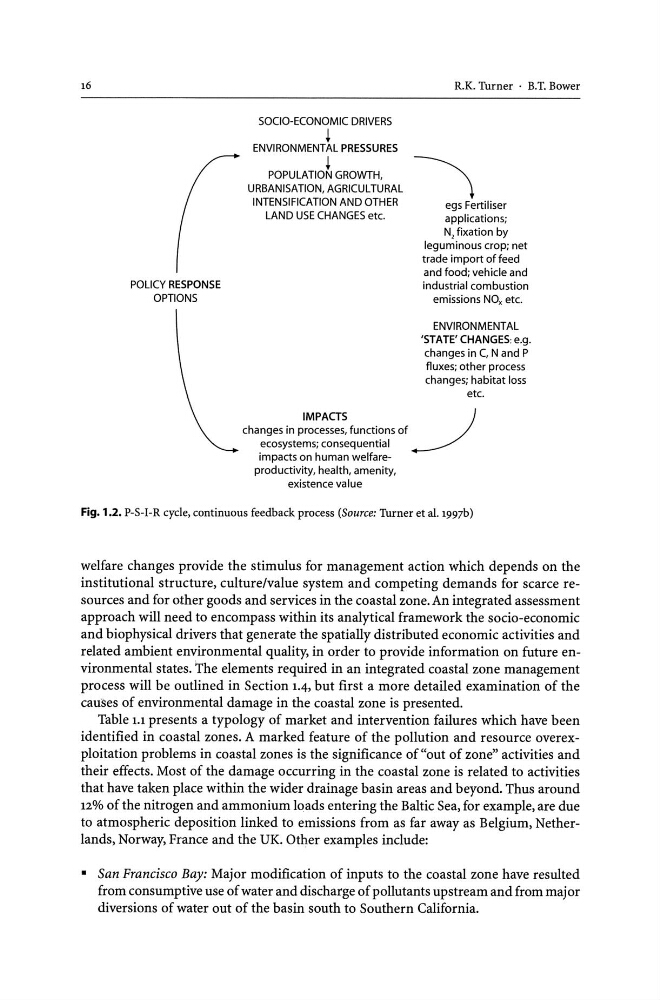
Fig. 1.2. P-S-I-R cycle, continuous feedback process (Source: Turner et aI.1997b)
welfare changes provide the stimulus for management action which depends on the
institutional structure, culture/value system and competing demands for scarce resources and for other goods and services in the coastal zone. An integrated assessment
approach will need to encompass within its analytical framework the socio-economic
and biophysical drivers that generate the spatially distributed economic activities and
related ambient environmental quality, in order to provide information on future environmental states. The elements required in an integrated coastal zone management
process will be outlined in Section 1.4, but first a more detailed examination of the
causes of environmental damage in the coastal zone is presented.
Table 1.1 presents a typology of market and intervention failures which have been
identified in coastal zones. A marked feature of the pollution and resource overexploitation problems in coastal zones is the significance of "out of zone" activities and
their effects. Most of the damage occurring in the coastal zone is related to activities
that have taken place within the wider drainage basin areas and beyond. Thus around
12% of the nitrogen and ammonium loads entering the Baltic Sea, for example, are due
to atmospheric deposition linked to emissions from as far away as Belgium, Netherlands, Norway, France and the UK. Other examples include:
• San Francisco Bay: Major modification of inputs to the coastal zone have resulted
from consumptive use of water and discharge of pollutants upstream and from major
diversions of water out of the basin south to Southern California.
POLICY RESPONSE
OPTIONS
SOCIO-ECONOMIC DRIVERS
!
ENVIRONMENTAL PRESSURES
!
POPULATION GROWTH,
URBANISATION, AGRICULTURAL
INTENSIFICATION AND OTHER
LAND USE CHANGES etc.
R.K. Turner· B.T. Bower
)
egs Fertiliser
applications;
N, fixation by
leguminous crop; net
trade import of feed
and food; vehicle and
industrial combustion
emissions NOx etc.
ENVIRONMENTAL
'STATE' CHANGES; e.g.
changes in C, Nand P
fluxes; other process
changes; habitat loss
etc.
IMPACTS
J
changes in processes, functions of
ecosystems; consequential
impacts on human welfareproductivity, health, amenity,
existence value
Fig. 1.2. P-S-I-R cycle, continuous feedback process (Source: Turner et aI.1997b)
welfare changes provide the stimulus for management action which depends on the
institutional structure, culture/value system and competing demands for scarce resources and for other goods and services in the coastal zone. An integrated assessment
approach will need to encompass within its analytical framework the socio-economic
and biophysical drivers that generate the spatially distributed economic activities and
related ambient environmental quality, in order to provide information on future environmental states. The elements required in an integrated coastal zone management
process will be outlined in Section 1.4, but first a more detailed examination of the
causes of environmental damage in the coastal zone is presented.
Table 1.1 presents a typology of market and intervention failures which have been
identified in coastal zones. A marked feature of the pollution and resource overexploitation problems in coastal zones is the significance of "out of zone" activities and
their effects. Most of the damage occurring in the coastal zone is related to activities
that have taken place within the wider drainage basin areas and beyond. Thus around
12% of the nitrogen and ammonium loads entering the Baltic Sea, for example, are due
to atmospheric deposition linked to emissions from as far away as Belgium, Netherlands, Norway, France and the UK. Other examples include:
• San Francisco Bay: Major modification of inputs to the coastal zone have resulted
from consumptive use of water and discharge of pollutants upstream and from major
diversions of water out of the basin south to Southern California.