

R. Sarda . M. Fluvia
bathing water is clear. In 1992, 147 beaches were monitored in Catatonia, 89.1% accomplished the EC Directive, and 9 were awarded with blue flag certification (i.e. excellent
quality). In 1996, out of the 184 beaches that were monitored, 98.1% accomplished the
Directive, and around 70 merited the blue flag. Almost all of the beaches at the Costa
Brava fulfilled the Commission's Directive on bathing water, and many of them are
awarded with the blue flag each year. Compared to the rest of Europe, the Costa Brava
is far above the average.
The Autonomous Government is also responsible for enforcement of the MARPOL
Convention to treat waste of marine vessels. Collection systems are deposited in commercial, fishing and recreational ports along the coast. In addition, quality environmental programs are developed for the management of ports (Sardli and Pinedo, unpublished).
14.3.2
Preservation of the Natural Heritage (Exploitation of Natural Resources)
The increased population in the coastal area leads to high pressure on the natural heritage. The maintenance of healthy coastal ecosystems is highly dependent on the correct exploitation of natural resources, the protection of key sensitive areas, and the
preservation of natural habitats (Fig. 14.4).
Direct exploitation of coastal resources is threatening many populations (shellfish,
sea-baits, sea-urchins, littoral fishes, corals, ... ) and habitats in the area (dunes, beaches,
seagrass meadows, ... ). Unsustainable fisheries and irresponsible trawling, as well as
the absence of environmental attitudes from the public, are drastically damaging the
Costa Brava ecosystems. Probably,jisheries is the most evident one as the Spanish population have a high demand for sea-products.
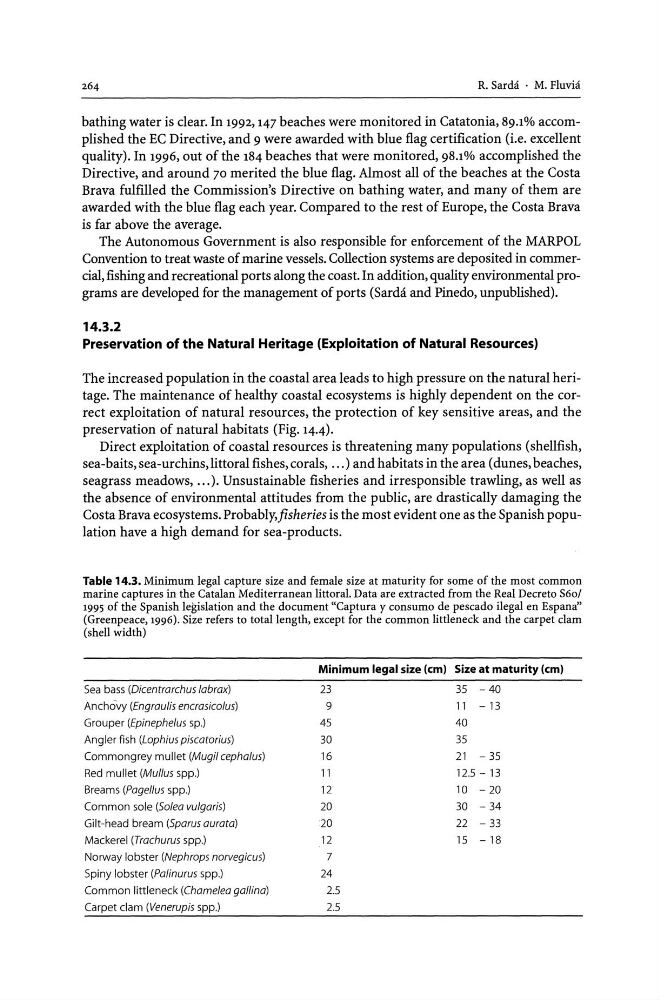
Table 14.3. Minimum legal capture size and female size at maturity for some of the most common
marine captures in the Catalan Mediterranean littoral. Data are extracted from the Real Decreto S60/
1995 of the Spanish legislation and the document "Captura y consumo de pescado ilegal en Espana"
(Greenpeace, 1996). Size refers to total length, except for the common littleneck and the carpet clam
(shell width)
Minimum legal size (em) Size at maturity (em)
Sea bass (Dicentrarchus/abrax)
23
35 -40
AnchoVy (Engraulis encrasico/us)
9
11 -13
Grouper (Epinephe/us sp.)
45
40
Angler fish (Lophius piscatorius)
30
35
Commongrey mullet (Mugi/ cepha/us)
16
21 - 35
Red mullet (Mul/us spp.)
11
12.5 - 13
Breams (Pagel/us spp.)
12
10 - 20
Common sole (So/ea vulgaris)
20
30 - 34
Gilt-head bream (Sparus aurata)
20
22 - 33
Mackerel (Trachurus spp.)
12
15 -18
Norway lobster (Nephrops norvegicus)
7
Spiny lobster (Palinurus spp.)
24
Common littleneck ((hame/ea gal/ina)
2.5
Carpet clam (Venerupis spp.)
2.5
bathing water is clear. In 1992, 147 beaches were monitored in Catatonia, 89.1% accomplished the EC Directive, and 9 were awarded with blue flag certification (i.e. excellent
quality). In 1996, out of the 184 beaches that were monitored, 98.1% accomplished the
Directive, and around 70 merited the blue flag. Almost all of the beaches at the Costa
Brava fulfilled the Commission's Directive on bathing water, and many of them are
awarded with the blue flag each year. Compared to the rest of Europe, the Costa Brava
is far above the average.
The Autonomous Government is also responsible for enforcement of the MARPOL
Convention to treat waste of marine vessels. Collection systems are deposited in commercial, fishing and recreational ports along the coast. In addition, quality environmental programs are developed for the management of ports (Sardli and Pinedo, unpublished).
14.3.2
Preservation of the Natural Heritage (Exploitation of Natural Resources)
The increased population in the coastal area leads to high pressure on the natural heritage. The maintenance of healthy coastal ecosystems is highly dependent on the correct exploitation of natural resources, the protection of key sensitive areas, and the
preservation of natural habitats (Fig. 14.4).
Direct exploitation of coastal resources is threatening many populations (shellfish,
sea-baits, sea-urchins, littoral fishes, corals, ... ) and habitats in the area (dunes, beaches,
seagrass meadows, ... ). Unsustainable fisheries and irresponsible trawling, as well as
the absence of environmental attitudes from the public, are drastically damaging the
Costa Brava ecosystems. Probably,jisheries is the most evident one as the Spanish population have a high demand for sea-products.
Table 14.3. Minimum legal capture size and female size at maturity for some of the most common
marine captures in the Catalan Mediterranean littoral. Data are extracted from the Real Decreto S60/
1995 of the Spanish legislation and the document "Captura y consumo de pescado ilegal en Espana"
(Greenpeace, 1996). Size refers to total length, except for the common littleneck and the carpet clam
(shell width)
Minimum legal size (em) Size at maturity (em)
Sea bass (Dicentrarchus/abrax)
23
35 -40
AnchoVy (Engraulis encrasico/us)
9
11 -13
Grouper (Epinephe/us sp.)
45
40
Angler fish (Lophius piscatorius)
30
35
Commongrey mullet (Mugi/ cepha/us)
16
21 - 35
Red mullet (Mul/us spp.)
11
12.5 - 13
Breams (Pagel/us spp.)
12
10 - 20
Common sole (So/ea vulgaris)
20
30 - 34
Gilt-head bream (Sparus aurata)
20
22 - 33
Mackerel (Trachurus spp.)
12
15 -18
Norway lobster (Nephrops norvegicus)
7
Spiny lobster (Palinurus spp.)
24
Common littleneck ((hame/ea gal/ina)
2.5
Carpet clam (Venerupis spp.)
2.5