

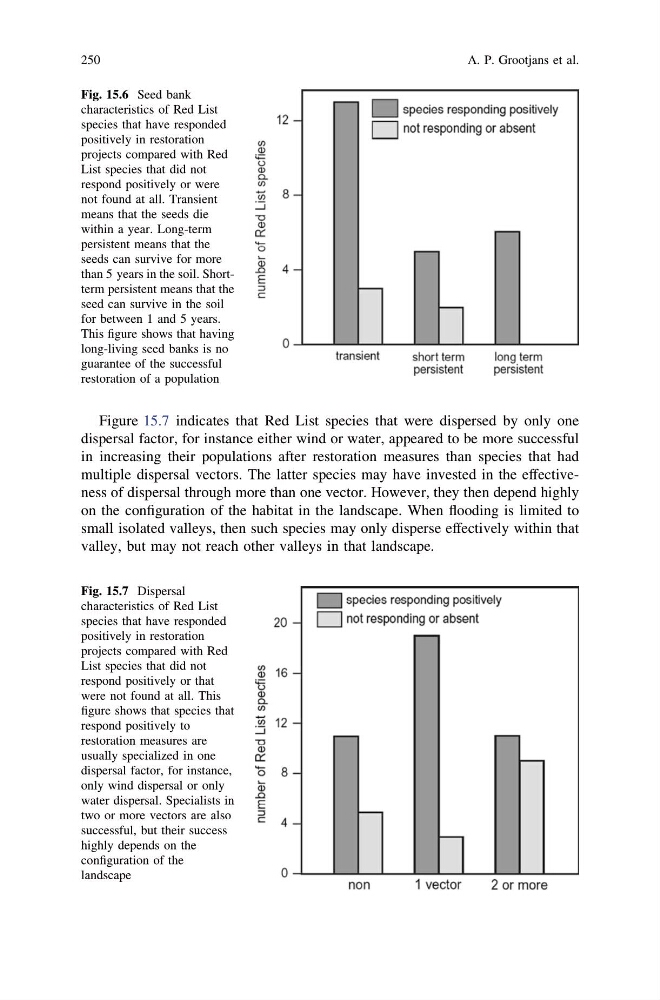
Figure 15.7 indicates that Red List species that were dispersed by only one
dispersal factor, for instance either wind or water, appeared to be more successful
in increasing their populations after restoration measures than species that had
multiple dispersal vectors. The latter species may have invested in the effectiveness of dispersal through more than one vector. However, they then depend highly
on the configuration of the habitat in the landscape. When flooding is limited to
small isolated valleys, then such species may only disperse effectively within that
valley, but may not reach other valleys in that landscape.
Fig. 15.6 Seed bank
characteristics of Red List
species that have responded
positively in restoration
projects compared with Red
List species that did not
respond positively or were
not found at all. Transient
means that the seeds die
within a year. Long-term
persistent means that the
seeds can survive for more
than 5 years in the soil. Shortterm persistent means that the
seed can survive in the soil
for between 1 and 5 years.
This figure shows that having
long-living seed banks is no
guarantee of the successful
restoration of a population
Fig. 15.7 Dispersal
characteristics of Red List
species that have responded
positively in restoration
projects compared with Red
List species that did not
respond positively or that
were not found at all. This
figure shows that species that
respond positively to
restoration measures are
usually specialized in one
dispersal factor, for instance,
only wind dispersal or only
water dispersal. Specialists in
two or more vectors are also
successful, but their success
highly depends on the
configuration of the
landscape
250
A. P. Grootjans et al.
dispersal factor, for instance either wind or water, appeared to be more successful
in increasing their populations after restoration measures than species that had
multiple dispersal vectors. The latter species may have invested in the effectiveness of dispersal through more than one vector. However, they then depend highly
on the configuration of the habitat in the landscape. When flooding is limited to
small isolated valleys, then such species may only disperse effectively within that
valley, but may not reach other valleys in that landscape.
Fig. 15.6 Seed bank
characteristics of Red List
species that have responded
positively in restoration
projects compared with Red
List species that did not
respond positively or were
not found at all. Transient
means that the seeds die
within a year. Long-term
persistent means that the
seeds can survive for more
than 5 years in the soil. Shortterm persistent means that the
seed can survive in the soil
for between 1 and 5 years.
This figure shows that having
long-living seed banks is no
guarantee of the successful
restoration of a population
Fig. 15.7 Dispersal
characteristics of Red List
species that have responded
positively in restoration
projects compared with Red
List species that did not
respond positively or that
were not found at all. This
figure shows that species that
respond positively to
restoration measures are
usually specialized in one
dispersal factor, for instance,
only wind dispersal or only
water dispersal. Specialists in
two or more vectors are also
successful, but their success
highly depends on the
configuration of the
landscape
250
A. P. Grootjans et al.