

spreading aggressively, especially on the erosional walls and depositional lobes of
blowouts. Subsequent research confirmed that the population consisted of a hybrid
swarm, with the potential for ecosystem-level impacts (Albert et al. 1998).
10.3 Methods
Successful methods to eradicate invasive plant species, and revegetate with native
species, were developed during a series of research projects on the North Spit
between 1982 and 1990 (Pickart and Sawyer 1998). Manual methods were chosen
for the Lanphere and Ma-le’l Dunes based on their low impact to the extensive
intact vegetation, including two federally listed endangered plants Humboldt Bay
wallflower (Erysimum menziesii subsp. eurekense) and beach layia (Layia carnosa).
Restoration included the removal of invasive species and, to a lesser extent, the reintroduction of native species. The two invasive taxa Ammophila arenaria and
C. edulis 9 C. chilensis were the primary target for eradication. The Lanphere
restoration was carried out between 1992 and 1998, over an area of 11 ha in the
foredune–blowout–parabolic dune complex. The Ma-le’l Dunes were added to the
refuge in 2005 and 14 ha of dunes were restored from 2005 to 2010 in the foredune–
blowout–parabolic dunes as well as in the deflation basin. In both projects, stands of
Ammophila and other invasives were mapped and georeferenced prior to the start of
restoration.
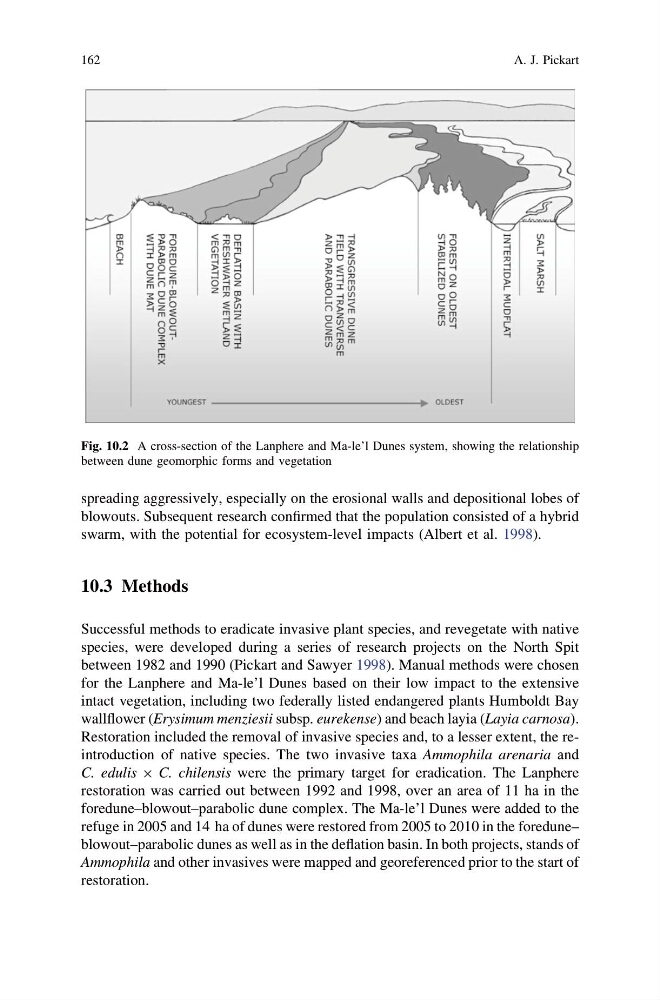
Fig. 10.2 A cross-section of the Lanphere and Ma-le’l Dunes system, showing the relationship
between dune geomorphic forms and vegetation
162
A. J. Pickart
blowouts. Subsequent research confirmed that the population consisted of a hybrid
swarm, with the potential for ecosystem-level impacts (Albert et al. 1998).
10.3 Methods
Successful methods to eradicate invasive plant species, and revegetate with native
species, were developed during a series of research projects on the North Spit
between 1982 and 1990 (Pickart and Sawyer 1998). Manual methods were chosen
for the Lanphere and Ma-le’l Dunes based on their low impact to the extensive
intact vegetation, including two federally listed endangered plants Humboldt Bay
wallflower (Erysimum menziesii subsp. eurekense) and beach layia (Layia carnosa).
Restoration included the removal of invasive species and, to a lesser extent, the reintroduction of native species. The two invasive taxa Ammophila arenaria and
C. edulis 9 C. chilensis were the primary target for eradication. The Lanphere
restoration was carried out between 1992 and 1998, over an area of 11 ha in the
foredune–blowout–parabolic dune complex. The Ma-le’l Dunes were added to the
refuge in 2005 and 14 ha of dunes were restored from 2005 to 2010 in the foredune–
blowout–parabolic dunes as well as in the deflation basin. In both projects, stands of
Ammophila and other invasives were mapped and georeferenced prior to the start of
restoration.
Fig. 10.2 A cross-section of the Lanphere and Ma-le’l Dunes system, showing the relationship
between dune geomorphic forms and vegetation
162
A. J. Pickart