

128
6 Prospects: Approaches of Integrated Management
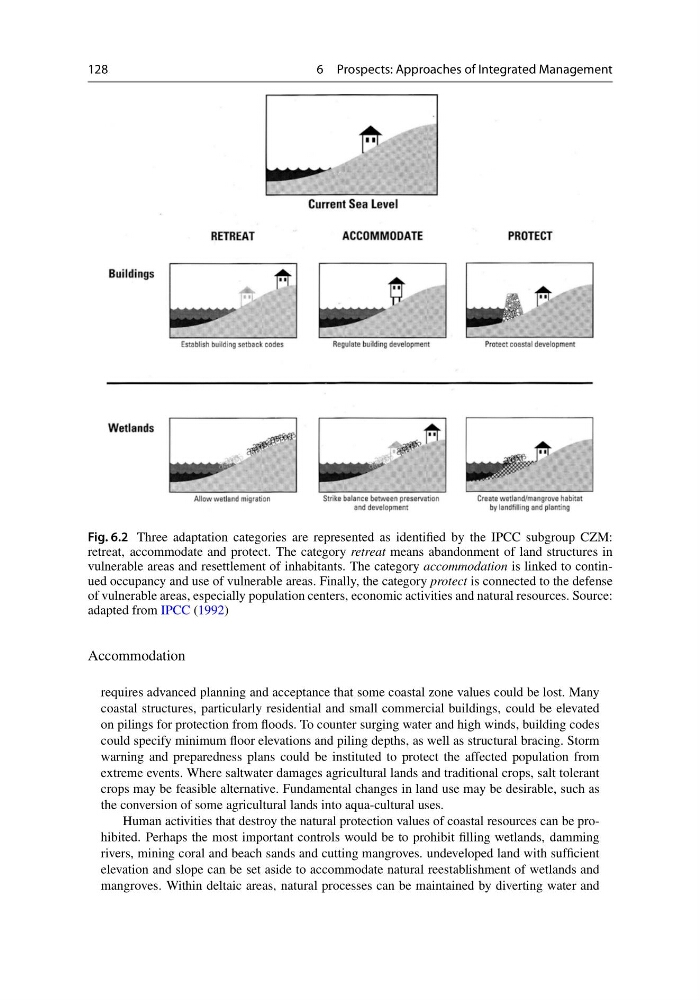
Fig. 6.2 Three adaptation categories are represented as identified by the IPCC subgroup CZM:
retreat, accommodate and protect. The category retreat means abandonment of land structures in
vulnerable areas and resettlement of inhabitants. The category accommodation is linked to continued occupancy and use of vulnerable areas. Finally, the category protect is connected to the defense
of vulnerable areas, especially population centers, economic activities and natural resources. Source:
adapted from IPCC (1992)
Accommodation
requires advanced planning and acceptance that some coastal zone values could be lost. Many
coastal structures, particularly residential and small commercial buildings, could be elevated
on pilings for protection from floods. To counter surging water and high winds, building codes
could specify minimum floor elevations and piling depths, as well as structural bracing. Storm
warning and preparedness plans could be instituted to protect the affected population from
extreme events. Where saltwater damages agricultural lands and traditional crops, salt tolerant
crops may be feasible alternative. Fundamental changes in land use may be desirable, such as
the conversion of some agricultural lands into aqua-cultural uses.
Human activities that destroy the natural protection values of coastal resources can be prohibited. Perhaps the most important controls would be to prohibit filling wetlands, damming
rivers, mining coral and beach sands and cutting mangroves. undeveloped land with sufficient
elevation and slope can be set aside to accommodate natural reestablishment of wetlands and
mangroves. Within deltaic areas, natural processes can be maintained by diverting water and
6 Prospects: Approaches of Integrated Management
Fig. 6.2 Three adaptation categories are represented as identified by the IPCC subgroup CZM:
retreat, accommodate and protect. The category retreat means abandonment of land structures in
vulnerable areas and resettlement of inhabitants. The category accommodation is linked to continued occupancy and use of vulnerable areas. Finally, the category protect is connected to the defense
of vulnerable areas, especially population centers, economic activities and natural resources. Source:
adapted from IPCC (1992)
Accommodation
requires advanced planning and acceptance that some coastal zone values could be lost. Many
coastal structures, particularly residential and small commercial buildings, could be elevated
on pilings for protection from floods. To counter surging water and high winds, building codes
could specify minimum floor elevations and piling depths, as well as structural bracing. Storm
warning and preparedness plans could be instituted to protect the affected population from
extreme events. Where saltwater damages agricultural lands and traditional crops, salt tolerant
crops may be feasible alternative. Fundamental changes in land use may be desirable, such as
the conversion of some agricultural lands into aqua-cultural uses.
Human activities that destroy the natural protection values of coastal resources can be prohibited. Perhaps the most important controls would be to prohibit filling wetlands, damming
rivers, mining coral and beach sands and cutting mangroves. undeveloped land with sufficient
elevation and slope can be set aside to accommodate natural reestablishment of wetlands and
mangroves. Within deltaic areas, natural processes can be maintained by diverting water and