

106
5 Challenges: Sectoral Descriptions
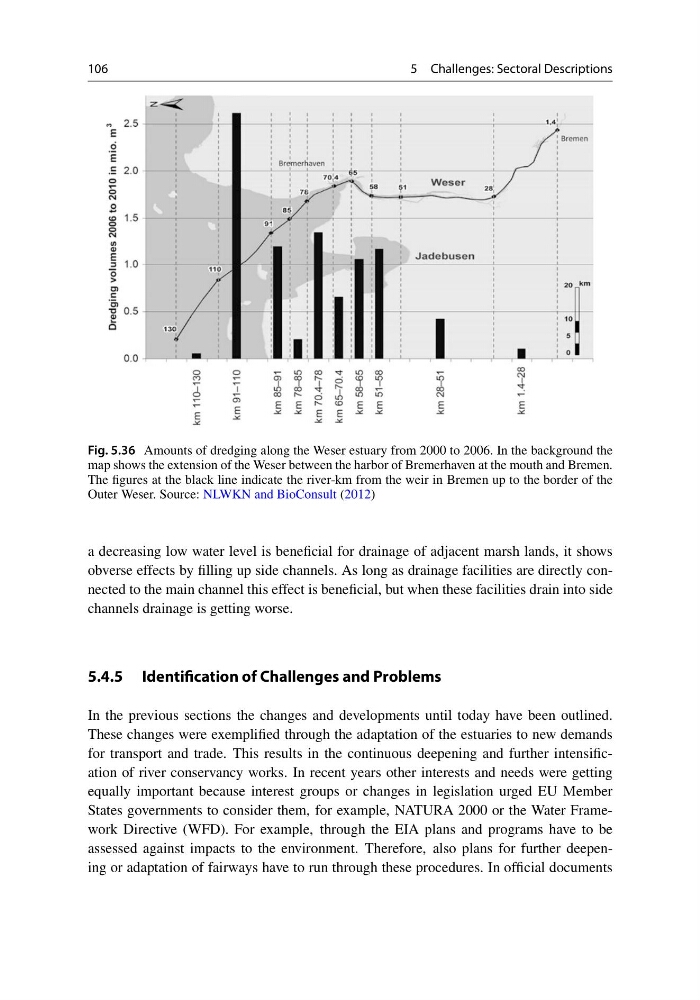
Fig. 5.36 Amounts of dredging along the Weser estuary from 2000 to 2006. In the background the
map shows the extension of the Weser between the harbor of Bremerhaven at the mouth and Bremen.
The figures at the black line indicate the river-km from the weir in Bremen up to the border of the
Outer Weser. Source: NLWKN and BioConsult (2012)
a decreasing low water level is beneficial for drainage of adjacent marsh lands, it shows
obverse effects by filling up side channels. As long as drainage facilities are directly connected to the main channel this effect is beneficial, but when these facilities drain into side
channels drainage is getting worse.
5.4.5 Identification of Challenges and Problems
In the previous sections the changes and developments until today have been outlined.
These changes were exemplified through the adaptation of the estuaries to new demands
for transport and trade. This results in the continuous deepening and further intensification of river conservancy works. In recent years other interests and needs were getting
equally important because interest groups or changes in legislation urged EU Member
States governments to consider them, for example, NATURA 2000 or the Water Framework Directive (WFD). For example, through the EIA plans and programs have to be
assessed against impacts to the environment. Therefore, also plans for further deepening or adaptation of fairways have to run through these procedures. In official documents
5 Challenges: Sectoral Descriptions
Fig. 5.36 Amounts of dredging along the Weser estuary from 2000 to 2006. In the background the
map shows the extension of the Weser between the harbor of Bremerhaven at the mouth and Bremen.
The figures at the black line indicate the river-km from the weir in Bremen up to the border of the
Outer Weser. Source: NLWKN and BioConsult (2012)
a decreasing low water level is beneficial for drainage of adjacent marsh lands, it shows
obverse effects by filling up side channels. As long as drainage facilities are directly connected to the main channel this effect is beneficial, but when these facilities drain into side
channels drainage is getting worse.
5.4.5 Identification of Challenges and Problems
In the previous sections the changes and developments until today have been outlined.
These changes were exemplified through the adaptation of the estuaries to new demands
for transport and trade. This results in the continuous deepening and further intensification of river conservancy works. In recent years other interests and needs were getting
equally important because interest groups or changes in legislation urged EU Member
States governments to consider them, for example, NATURA 2000 or the Water Framework Directive (WFD). For example, through the EIA plans and programs have to be
assessed against impacts to the environment. Therefore, also plans for further deepening or adaptation of fairways have to run through these procedures. In official documents