

224
Exercise 14
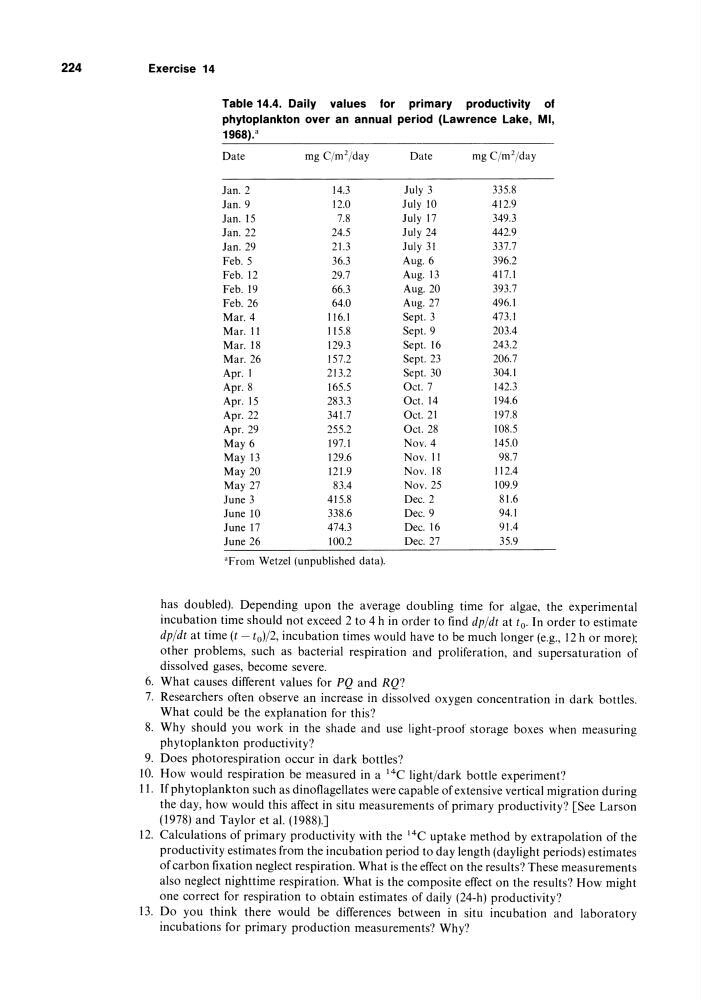
Table 14.4. Daily values for primary productivity of
phytoplankton over an annual period (Lawrence Lake. MI.
1968).'
Date
mg C/m 2 /day
Date
mg C/m2/day
Jan. 2
14.3
July 3
335.8
Jan. 9
12.0
July 10
412.9
Jan. 15
7.8
July 17
349.3
Jan. 22
24.5
July 24
442.9
Jan. 29
21.3
July 31
337.7
Feb. 5
36.3
Aug. 6
396.2
Feb. 12
29.7
Aug. 13
417.1
Feb. 19
66.3
Aug. 20
393.7
Feb. 26
64.0
Aug. 27
496.1
Mar. 4
116.1
Sept. 3
473.1
Mar. 11
115.8
Sept. 9
203.4
Mar. 18
129.3
Sept. 16
243.2
Mar. 26
157.2
Sept. 23
206.7
Apr. 1
213.2
Sept. 30
304.1
Apr. 8
165.5
Oct. 7
142.3
Apr. 15
283.3
Oct. 14
194.6
Apr. 22
341.7
Oct. 21
197.8
Apr. 29
255.2
Oct. 28
108.5
May 6
197.1
Nov. 4
145.0
May 13
129.6
Nov. 11
98.7
May 20
121.9
Nov. 18
112.4
May 27
83.4
Nov. 25
109.9
June 3
415.8
Dec. 2
81.6
June 10
338.6
Dec. 9
94.1
June 17
474.3
Dec. 16
91.4
June 26
100.2
Dec. 27
35.9
"From Wetzel (unpublished data).
has doubled). Depending upon the average doubling time for algae, the experimental
incubation time should not exceed 2 to 4 h in order to find dp/dt at to. In order to estimate
dp/dt at time (t - to)/2, incubation times would have to be much longer (e.g., 12 h or more);
other problems, such as bacterial respiration and proliferation, and supersaturation of
dissolved gases, become severe.
6. What causes different values for PQ and RQ?
7. Researchers often observe an increase in dissolved oxygen concentration in dark bottles.
What could be the explanation for this?
8. Why should you work in the shade and use light-proof storage boxes when measuring
phytoplankton productivity?
9. Does photorespiration occur in dark bottles?
10. How would respiration be measured in a 14C light/dark bottle experiment?
11. If phytoplankton such as dinoflagellates were capable of extensive vertical migration during
the day, how would this affect in situ measurements of primary productivity? [See Larson
(1978) and Taylor et al. (1988).J
12. Calculations of primary productivity with the l4C uptake method by extrapolation of the
productivity estimates from the incubation period to day length (daylight periods) estimates
of carbon fixation neglect respiration. What is the effect on the results? These measurements
also neglect nighttime respiration. What is the composite effect on the results? How might
one correct for respiration to obtain estimates of daily (24-h) productivity?
13. Do you think there would be differences between in situ incubation and laboratory
incubations for primary production measurements? Why?
Exercise 14
Table 14.4. Daily values for primary productivity of
phytoplankton over an annual period (Lawrence Lake. MI.
1968).'
Date
mg C/m 2 /day
Date
mg C/m2/day
Jan. 2
14.3
July 3
335.8
Jan. 9
12.0
July 10
412.9
Jan. 15
7.8
July 17
349.3
Jan. 22
24.5
July 24
442.9
Jan. 29
21.3
July 31
337.7
Feb. 5
36.3
Aug. 6
396.2
Feb. 12
29.7
Aug. 13
417.1
Feb. 19
66.3
Aug. 20
393.7
Feb. 26
64.0
Aug. 27
496.1
Mar. 4
116.1
Sept. 3
473.1
Mar. 11
115.8
Sept. 9
203.4
Mar. 18
129.3
Sept. 16
243.2
Mar. 26
157.2
Sept. 23
206.7
Apr. 1
213.2
Sept. 30
304.1
Apr. 8
165.5
Oct. 7
142.3
Apr. 15
283.3
Oct. 14
194.6
Apr. 22
341.7
Oct. 21
197.8
Apr. 29
255.2
Oct. 28
108.5
May 6
197.1
Nov. 4
145.0
May 13
129.6
Nov. 11
98.7
May 20
121.9
Nov. 18
112.4
May 27
83.4
Nov. 25
109.9
June 3
415.8
Dec. 2
81.6
June 10
338.6
Dec. 9
94.1
June 17
474.3
Dec. 16
91.4
June 26
100.2
Dec. 27
35.9
"From Wetzel (unpublished data).
has doubled). Depending upon the average doubling time for algae, the experimental
incubation time should not exceed 2 to 4 h in order to find dp/dt at to. In order to estimate
dp/dt at time (t - to)/2, incubation times would have to be much longer (e.g., 12 h or more);
other problems, such as bacterial respiration and proliferation, and supersaturation of
dissolved gases, become severe.
6. What causes different values for PQ and RQ?
7. Researchers often observe an increase in dissolved oxygen concentration in dark bottles.
What could be the explanation for this?
8. Why should you work in the shade and use light-proof storage boxes when measuring
phytoplankton productivity?
9. Does photorespiration occur in dark bottles?
10. How would respiration be measured in a 14C light/dark bottle experiment?
11. If phytoplankton such as dinoflagellates were capable of extensive vertical migration during
the day, how would this affect in situ measurements of primary productivity? [See Larson
(1978) and Taylor et al. (1988).J
12. Calculations of primary productivity with the l4C uptake method by extrapolation of the
productivity estimates from the incubation period to day length (daylight periods) estimates
of carbon fixation neglect respiration. What is the effect on the results? These measurements
also neglect nighttime respiration. What is the composite effect on the results? How might
one correct for respiration to obtain estimates of daily (24-h) productivity?
13. Do you think there would be differences between in situ incubation and laboratory
incubations for primary production measurements? Why?