

172
Exercise 11
entire sample and count all organisms with an inverted microscope (Utermohl, 1958;
Nauwerck, 1963; see Exericse 10).
When the number of organisms in the sample is very large, it will be necessary to
take subsamples to facilitate counting. This subsampling introduces a manipulative
error in addition to the error involved in obtaining a representative sample from the
lake. However, the number of zooplankton per unit volume of lake water can be
estimated within statistical limits by counting the number of individuals in several
subsamples [see McCauley (1984)]. This technique is outlined as follows:
1. Depending on the concentration, dilute the concentrated sample of zooplankton
from the lake to exactly 50 ml, 100 ml, or 200 ml with tap water. It is convenient
to use a graduated cylinder.
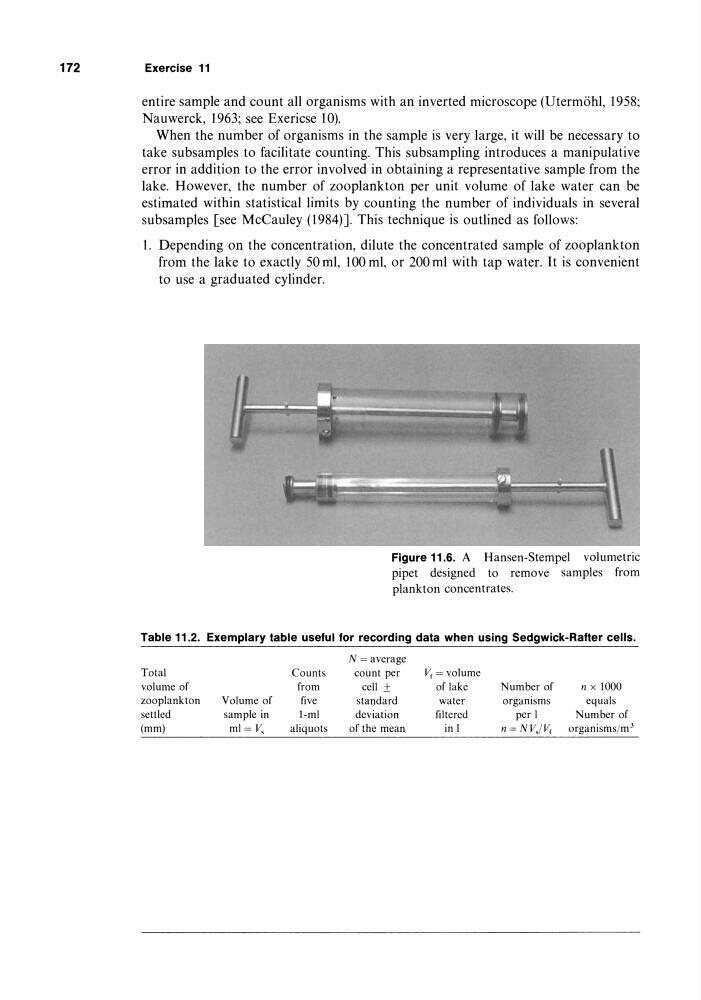
Figure 11.6. A Hansen-Stempel volumetric
pipet designed to remove samples from
plankton concentrates.
Table 11.2. Exemplary table useful for recording data when using Sedgwick-Rafter cells.
N = average
Total
Counts
count per
Vr = volume
volume of
from
cell ±
of lake
Number of
11 x 1000
zooplankton
Volume of
five
standard
water
organisms
equals
settled
sample in
1-ml
deviation
filtered
per I
Number of
(mm)
ml=V,
aliquots
of the mean
in I
11= NVjVr organisms/m J
Exercise 11
entire sample and count all organisms with an inverted microscope (Utermohl, 1958;
Nauwerck, 1963; see Exericse 10).
When the number of organisms in the sample is very large, it will be necessary to
take subsamples to facilitate counting. This subsampling introduces a manipulative
error in addition to the error involved in obtaining a representative sample from the
lake. However, the number of zooplankton per unit volume of lake water can be
estimated within statistical limits by counting the number of individuals in several
subsamples [see McCauley (1984)]. This technique is outlined as follows:
1. Depending on the concentration, dilute the concentrated sample of zooplankton
from the lake to exactly 50 ml, 100 ml, or 200 ml with tap water. It is convenient
to use a graduated cylinder.
Figure 11.6. A Hansen-Stempel volumetric
pipet designed to remove samples from
plankton concentrates.
Table 11.2. Exemplary table useful for recording data when using Sedgwick-Rafter cells.
N = average
Total
Counts
count per
Vr = volume
volume of
from
cell ±
of lake
Number of
11 x 1000
zooplankton
Volume of
five
standard
water
organisms
equals
settled
sample in
1-ml
deviation
filtered
per I
Number of
(mm)
ml=V,
aliquots
of the mean
in I
11= NVjVr organisms/m J