

110
Exercise 8
GLASS
Hg + HgCI+KCI
REFERENC E
ELECTRODE
;s1I-if---=- Hg + HgCI + KCI
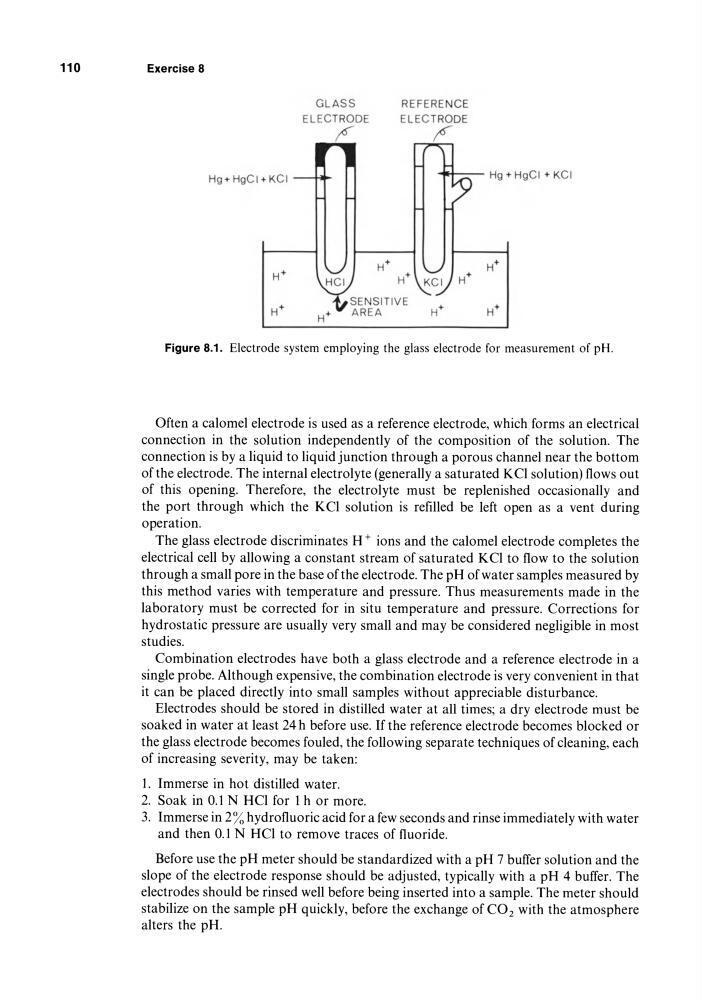
Figure 8.1. Electrode system employing the glass electrode for measurement of pH.
Often a calomel electrode is used as a reference electrode, which forms an electrical
connection in the solution independently of the composition of the solution. The
connection is by a liquid to liquid junction through a porous channel near the bottom
of the electrode. The internal electrolyte (generally a saturated KCl solution) flows out
of this opening. Therefore, the electrolyte must be replenished occasionally and
the port through which the KCl solution is refilled be left open as a vent during
operation.
The glass electrode discriminates H + ions and the calomel electrode completes the
electrical cell by allowing a constant stream of saturated KCl to flow to the solution
through a small pore in the base of the electrode. The pH of water samples measured by
this method varies with temperature and pressure. Thus measurements made in the
laboratory must be corrected for in situ temperature and pressure. Corrections for
hydrostatic pressure are usually very small and may be considered negligible in most
studies.
Combination electrodes have both a glass electrode and a reference electrode in a
single probe. Although expensive, the combination electrode is very convenient in that
it can be placed directly into small samples without appreciable disturbance.
Electrodes should be stored in distilled water at all times; a dry electrode must be
soaked in water at least 24 h before use. If the reference electrode becomes blocked or
the glass electrode becomes fouled, the following separate techniques of cleaning, each
of increasing severity, may be taken:
1. Immerse in hot distilled water.
2. Soak in 0.1 N HCl for 1 h or more.
3. Immerse in 2% hydrofluoric acid for a few seconds and rinse immediately with water
and then 0.1 N HCl to remove traces of fluoride.
Before use the pH meter should be standardized with a pH 7 buffer solution and the
slope of the electrode response should be adjusted, typically with a pH 4 buffer. The
electrodes should be rinsed well before being inserted into a sample. The meter should
stabilize on the sample pH quickly, before the exchange of CO 2 with the atmosphere
alters the pH.
Exercise 8
GLASS
Hg + HgCI+KCI
REFERENC E
ELECTRODE
;s1I-if---=- Hg + HgCI + KCI
Figure 8.1. Electrode system employing the glass electrode for measurement of pH.
Often a calomel electrode is used as a reference electrode, which forms an electrical
connection in the solution independently of the composition of the solution. The
connection is by a liquid to liquid junction through a porous channel near the bottom
of the electrode. The internal electrolyte (generally a saturated KCl solution) flows out
of this opening. Therefore, the electrolyte must be replenished occasionally and
the port through which the KCl solution is refilled be left open as a vent during
operation.
The glass electrode discriminates H + ions and the calomel electrode completes the
electrical cell by allowing a constant stream of saturated KCl to flow to the solution
through a small pore in the base of the electrode. The pH of water samples measured by
this method varies with temperature and pressure. Thus measurements made in the
laboratory must be corrected for in situ temperature and pressure. Corrections for
hydrostatic pressure are usually very small and may be considered negligible in most
studies.
Combination electrodes have both a glass electrode and a reference electrode in a
single probe. Although expensive, the combination electrode is very convenient in that
it can be placed directly into small samples without appreciable disturbance.
Electrodes should be stored in distilled water at all times; a dry electrode must be
soaked in water at least 24 h before use. If the reference electrode becomes blocked or
the glass electrode becomes fouled, the following separate techniques of cleaning, each
of increasing severity, may be taken:
1. Immerse in hot distilled water.
2. Soak in 0.1 N HCl for 1 h or more.
3. Immerse in 2% hydrofluoric acid for a few seconds and rinse immediately with water
and then 0.1 N HCl to remove traces of fluoride.
Before use the pH meter should be standardized with a pH 7 buffer solution and the
slope of the electrode response should be adjusted, typically with a pH 4 buffer. The
electrodes should be rinsed well before being inserted into a sample. The meter should
stabilize on the sample pH quickly, before the exchange of CO 2 with the atmosphere
alters the pH.