

Use of the Radiocarbon Method to Determine Primary Production
79
a
E c
B
c
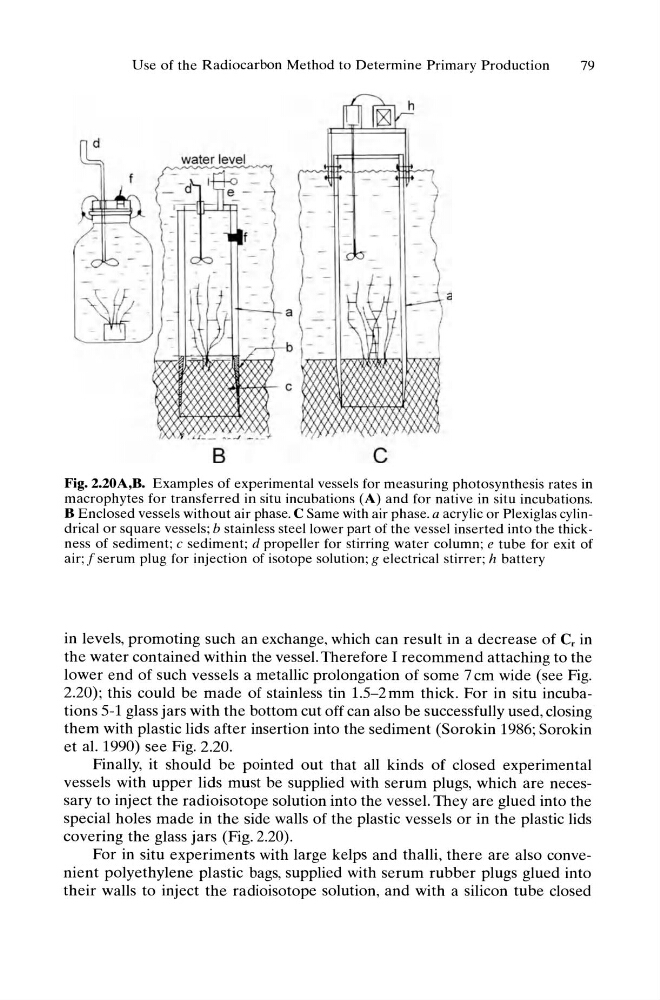
Fig.2.20A,B. Examples of experimental vessels for measuring photosynthesis rates in
macrophytes for transferred in situ incubations (A) and for native in situ incubations.
B Enclosed vessels without air phase. C Same with air phase. a acrylic or Plexiglas cylindrical or square vessels; b stainless steel lower part of the vessel inserted into the thickness of sediment; c sediment; d propeller for stirring water column; e tube for exit of
air; f serum plug for injection of isotope solution; g electrical stirrer; h battery
in levels, promoting such an exchange, which can result in a decrease of C, in
the water contained within the vessel. Therefore I recommend attaching to the
lower end of such vessels a metallic prolongation of some 7 cm wide (see Fig.
2.20); this could be made of stainless tin 1.5-2 mm thick. For in situ incubations 5-1 glass jars with the bottom cut off can also be successfully used, closing
them with plastic lids after insertion into the sediment (Sorokin 1986; Sorokin
et al. 1990) see Fig. 2.20.
Finally, it should be pointed out that all kinds of closed experimental
vessels with upper lids must be supplied with serum plugs, which are necessary to inject the radioisotope solution into the vessel. They are glued into the
special holes made in the side walls of the plastic vessels or in the plastic lids
covering the glass jars (Fig. 2.20).
For in situ experiments with large kelps and thalli, there are also convenient polyethylene plastic bags, supplied with serum rubber plugs glued into
their walls to inject the radioisotope solution, and with a silicon tube closed
79
a
E c
B
c
Fig.2.20A,B. Examples of experimental vessels for measuring photosynthesis rates in
macrophytes for transferred in situ incubations (A) and for native in situ incubations.
B Enclosed vessels without air phase. C Same with air phase. a acrylic or Plexiglas cylindrical or square vessels; b stainless steel lower part of the vessel inserted into the thickness of sediment; c sediment; d propeller for stirring water column; e tube for exit of
air; f serum plug for injection of isotope solution; g electrical stirrer; h battery
in levels, promoting such an exchange, which can result in a decrease of C, in
the water contained within the vessel. Therefore I recommend attaching to the
lower end of such vessels a metallic prolongation of some 7 cm wide (see Fig.
2.20); this could be made of stainless tin 1.5-2 mm thick. For in situ incubations 5-1 glass jars with the bottom cut off can also be successfully used, closing
them with plastic lids after insertion into the sediment (Sorokin 1986; Sorokin
et al. 1990) see Fig. 2.20.
Finally, it should be pointed out that all kinds of closed experimental
vessels with upper lids must be supplied with serum plugs, which are necessary to inject the radioisotope solution into the vessel. They are glued into the
special holes made in the side walls of the plastic vessels or in the plastic lids
covering the glass jars (Fig. 2.20).
For in situ experiments with large kelps and thalli, there are also convenient polyethylene plastic bags, supplied with serum rubber plugs glued into
their walls to inject the radioisotope solution, and with a silicon tube closed