

6.3.3 Drag coefficient in very strong winds
The dynamics of cyclonic storms cannot be fully predicted without
proper knowledge of the physical processes at the air-sea interface under
high wind speed conditions. The drag coefficient formula of Large and Pond
(1981) derived from field measurements under low and moderate wind speed
conditions gives a linear increase of the drag coefficient with wind. There
are, however, indications that this formula may not work in the high wind
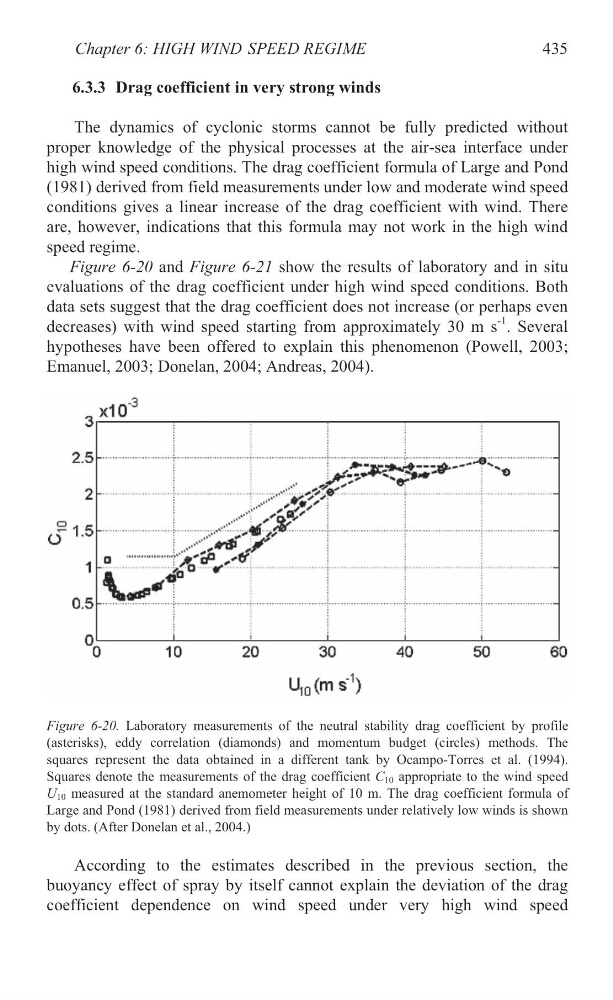
Figure 6-20 and Figure 6-21 show the results of laboratory and in situ
evaluations of the drag coefficient under high wind speed conditions. Both
data sets suggest that the drag coefficient does not increase (or perhaps even
decreases) with wind speed starting from approximately 30 m s
-1 . Several
hypotheses have been offered to explain this phenomenon (Powell, 2003;
Emanuel, 2003; Donelan, 2004; Andreas, 2004).
Figure 6-20. Laboratory measurements of the neutral stability drag coefficient by profile
(asterisks), eddy correlation (diamonds) and momentum budget (circles) methods. The
squares represent the data obtained in a different tank by Ocampo-Torres et al. (1994).
Squares denote the measurements of the drag coefficient C 10 appropriate to the wind speed
U 10 measured at the standard anemometer height of 10 m. The drag coefficient formula of
Large and Pond (1981) derived from field measurements under relatively low winds is shown
by dots. (After Donelan et al., 2004.)
According to the estimates described in the previous section, the
buoyancy effect of spray by itself cannot explain the deviation of the drag
coefficient dependence on wind speed under very high wind speed
Chapter 6: HIGH WIND SPEED REGIME
435
speed regime.
The dynamics of cyclonic storms cannot be fully predicted without
proper knowledge of the physical processes at the air-sea interface under
high wind speed conditions. The drag coefficient formula of Large and Pond
(1981) derived from field measurements under low and moderate wind speed
conditions gives a linear increase of the drag coefficient with wind. There
are, however, indications that this formula may not work in the high wind
Figure 6-20 and Figure 6-21 show the results of laboratory and in situ
evaluations of the drag coefficient under high wind speed conditions. Both
data sets suggest that the drag coefficient does not increase (or perhaps even
decreases) with wind speed starting from approximately 30 m s
-1 . Several
hypotheses have been offered to explain this phenomenon (Powell, 2003;
Emanuel, 2003; Donelan, 2004; Andreas, 2004).
Figure 6-20. Laboratory measurements of the neutral stability drag coefficient by profile
(asterisks), eddy correlation (diamonds) and momentum budget (circles) methods. The
squares represent the data obtained in a different tank by Ocampo-Torres et al. (1994).
Squares denote the measurements of the drag coefficient C 10 appropriate to the wind speed
U 10 measured at the standard anemometer height of 10 m. The drag coefficient formula of
Large and Pond (1981) derived from field measurements under relatively low winds is shown
by dots. (After Donelan et al., 2004.)
According to the estimates described in the previous section, the
buoyancy effect of spray by itself cannot explain the deviation of the drag
coefficient dependence on wind speed under very high wind speed
Chapter 6: HIGH WIND SPEED REGIME
435
speed regime.