

Part B | 23.2
518 Part B Autonomous Ocean Vehicles, Subsystems and Control
a vessel’s location, heading, intentions, and maneuvering constraints. Safe operation in crowded public water
space is achieved through compliance to this widely accepted standard set of rules by all vessel operators.
At the core of the numerous COLREGS regulations
are three fundamental driving rules. These three rules
form the basis for most of the behaviors necessary for
safe operation in the presence of other vessels. In no
particular order, these three rules consist of the headon, overtaking, and crossing situations. In general, the
rules provide for specific actions suitable for avoiding collision when two or more vessels are operating
in proximity of each other. Typically, in most crossing, overtaking, and approaching situations, one vessel
will be the stand-on (privileged) vessel and the other
the give-way (burdened) vessel, but as the rules clearly
state, this is not always the case. In addition, there exists a catch all rule (rule 2 – responsibility) that requires
a last chance to avoid collision by any and all vessel operators, regardless of rights.
As these rules were originally written to be interpreted and acted upon by humans, there exists room for
interpretation and a notion of good helming and common sense is required in operating under these rules.
In addition, COLREGS do not afford operators a clear
right of way over other vessels, but rather dictate the accepted standard for safe maneuvering in order to avoid
collision. Rule 2 along with rule 7 (risk of collision)
are in place to clearly indicate that safe helming is
mandatory, and regardless of perceived rights of way
as defined by the rules, operators must take every precaution to avoid collision.
Fundamental to the rules is that they were originally written for humans to interpret and act upon, as
evidenced in the use of terms such as proper look-out
and the use of sight and sound signals to alert other
mariners. Even today with the availability of AIS (automatic identification system), radar, and other navigation
aiding devices, the role of the human lookout remains
embedded in the rules. It is unlikely that completely automated navigation and vessel control will be accepted
and implemented within the existing set of COLREGS
rules any time in the near future. Meanwhile, how these
rules apply to autonomous (and semi-autonomous) unmanned marine vehicles operating on and below the
surface must be addressed, given current deployment
trends. UMV platforms might ultimately be required
to operate with certain specific behaviors in order to
comply with COLREGS and with basic navigational
constraints.
23.2 Sensing the World
In order to properly implement the COLREGS rules,
UMV programmers and operators will first need to provide unmanned platforms with the capability to detect
other vessels through adequate sensor systems, and react appropriately using robust behaviors.
The introduction of all mobile robots (on land, sea,
and air) has required significant development in sensory
systems capable of providing a world view to the autonomy system, producing the equivalent of a map of
the environment surrounding the robot. This perceived
knowledge of the world around the robot consists of
data and meta-data collected by a suite of sensors integrated into a data fusion system, internally representing
to the machine an awareness of the physical world in
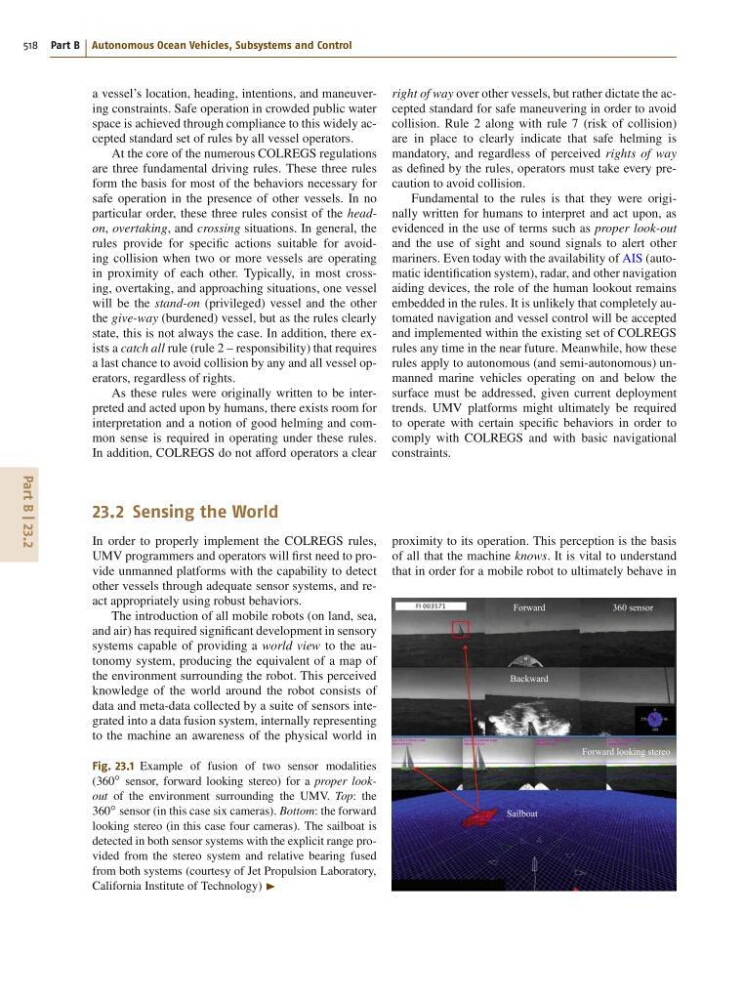
Fig. 23.1 Example of fusion of two sensor modalities
(360
ı sensor, forward looking stereo) for a proper lookout of the environment surrounding the UMV. Top: the
360
ı sensor (in this case six cameras). Bottom: the forward
looking stereo (in this case four cameras). The sailboat is
detected in both sensor systems with the explicit range provided from the stereo system and relative bearing fused
from both systems (courtesy of Jet Propulsion Laboratory,
California Institute of Technology) I
proximity to its operation. This perception is the basis
of all that the machine knows. It is vital to understand
that in order for a mobile robot to ultimately behave in
Forward
Backward
Sailboat
360 sensor
Forward looking stereo
518 Part B Autonomous Ocean Vehicles, Subsystems and Control
a vessel’s location, heading, intentions, and maneuvering constraints. Safe operation in crowded public water
space is achieved through compliance to this widely accepted standard set of rules by all vessel operators.
At the core of the numerous COLREGS regulations
are three fundamental driving rules. These three rules
form the basis for most of the behaviors necessary for
safe operation in the presence of other vessels. In no
particular order, these three rules consist of the headon, overtaking, and crossing situations. In general, the
rules provide for specific actions suitable for avoiding collision when two or more vessels are operating
in proximity of each other. Typically, in most crossing, overtaking, and approaching situations, one vessel
will be the stand-on (privileged) vessel and the other
the give-way (burdened) vessel, but as the rules clearly
state, this is not always the case. In addition, there exists a catch all rule (rule 2 – responsibility) that requires
a last chance to avoid collision by any and all vessel operators, regardless of rights.
As these rules were originally written to be interpreted and acted upon by humans, there exists room for
interpretation and a notion of good helming and common sense is required in operating under these rules.
In addition, COLREGS do not afford operators a clear
right of way over other vessels, but rather dictate the accepted standard for safe maneuvering in order to avoid
collision. Rule 2 along with rule 7 (risk of collision)
are in place to clearly indicate that safe helming is
mandatory, and regardless of perceived rights of way
as defined by the rules, operators must take every precaution to avoid collision.
Fundamental to the rules is that they were originally written for humans to interpret and act upon, as
evidenced in the use of terms such as proper look-out
and the use of sight and sound signals to alert other
mariners. Even today with the availability of AIS (automatic identification system), radar, and other navigation
aiding devices, the role of the human lookout remains
embedded in the rules. It is unlikely that completely automated navigation and vessel control will be accepted
and implemented within the existing set of COLREGS
rules any time in the near future. Meanwhile, how these
rules apply to autonomous (and semi-autonomous) unmanned marine vehicles operating on and below the
surface must be addressed, given current deployment
trends. UMV platforms might ultimately be required
to operate with certain specific behaviors in order to
comply with COLREGS and with basic navigational
constraints.
23.2 Sensing the World
In order to properly implement the COLREGS rules,
UMV programmers and operators will first need to provide unmanned platforms with the capability to detect
other vessels through adequate sensor systems, and react appropriately using robust behaviors.
The introduction of all mobile robots (on land, sea,
and air) has required significant development in sensory
systems capable of providing a world view to the autonomy system, producing the equivalent of a map of
the environment surrounding the robot. This perceived
knowledge of the world around the robot consists of
data and meta-data collected by a suite of sensors integrated into a data fusion system, internally representing
to the machine an awareness of the physical world in
Fig. 23.1 Example of fusion of two sensor modalities
(360
ı sensor, forward looking stereo) for a proper lookout of the environment surrounding the UMV. Top: the
360
ı sensor (in this case six cameras). Bottom: the forward
looking stereo (in this case four cameras). The sailboat is
detected in both sensor systems with the explicit range provided from the stereo system and relative bearing fused
from both systems (courtesy of Jet Propulsion Laboratory,
California Institute of Technology) I
proximity to its operation. This perception is the basis
of all that the machine knows. It is vital to understand
that in order for a mobile robot to ultimately behave in
Forward
Backward
Sailboat
360 sensor
Forward looking stereo