

Part B | 20.6
468 Part B Autonomous Ocean Vehicles, Subsystems and Control
concepts, communication networking, and distributed,
autonomous control.
The principal objective was to demonstrate the communication, command, and control of a hybrid platform
suite, using a common communication infrastructure
based on the WHOI Micromodem, and a common
autonomy system for operating all mobile and fixed assets, based on the payload autonomy paradigm and the
MOOS-IvP behavior-based autonomy software suite.
The architecture had previously been integrated and
demonstrated on the SCOUT kayaks, the Bluefin BF21
AUVs (Fig. 20.10), and several land robots at MIT.
In preparation for and during GLINT’08, it was successfully integrated into the NURC OEX AUV and the
NUWC Iver2 AUVs, both deployed in the experiment
towing hydrophone arrays for multistatic acoustics. In
addition, the architecture was partially integrated into
the NUWC Folaga environmental sampler and two bottom moorings equipped with micromodems for undersea networking. The hybrid network with these assets is
schematically shown in Fig. 20.11.
a)
b)
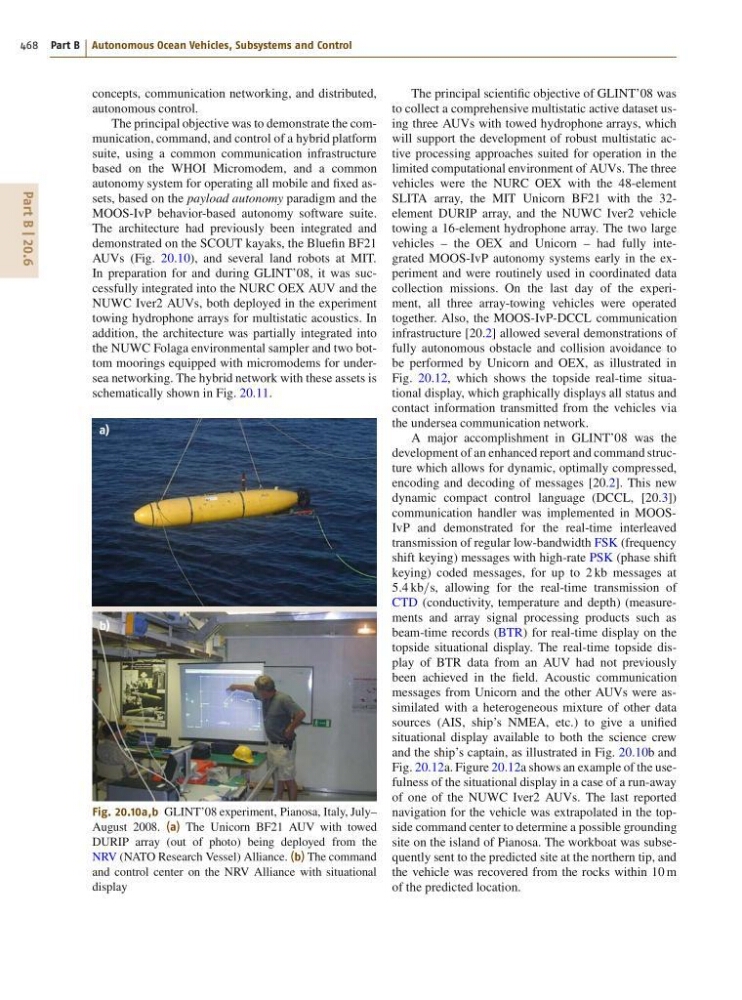
Fig. 20.10a,b GLINT’08 experiment, Pianosa, Italy, July–
August 2008. (a) The Unicorn BF21 AUV with towed
DURIP array (out of photo) being deployed from the
NRV (NATO Research Vessel) Alliance. (b) The command
and control center on the NRV Alliance with situational
display
The principal scientific objective of GLINT’08 was
to collect a comprehensive multistatic active dataset using three AUVs with towed hydrophone arrays, which
will support the development of robust multistatic active processing approaches suited for operation in the
limited computational environment of AUVs. The three
vehicles were the NURC OEX with the 48-element
SLITA array, the MIT Unicorn BF21 with the 32element DURIP array, and the NUWC Iver2 vehicle
towing a 16-element hydrophone array. The two large
vehicles – the OEX and Unicorn – had fully integrated MOOS-IvP autonomy systems early in the experiment and were routinely used in coordinated data
collection missions. On the last day of the experiment, all three array-towing vehicles were operated
together. Also, the MOOS-IvP-DCCL communication
infrastructure [20.2] allowed several demonstrations of
fully autonomous obstacle and collision avoidance to
be performed by Unicorn and OEX, as illustrated in
Fig. 20.12, which shows the topside real-time situational display, which graphically displays all status and
contact information transmitted from the vehicles via
the undersea communication network.
A major accomplishment in GLINT’08 was the
development of an enhanced report and command structure which allows for dynamic, optimally compressed,
encoding and decoding of messages [20.2]. This new
dynamic compact control language (DCCL, [20.3])
communication handler was implemented in MOOSIvP and demonstrated for the real-time interleaved
transmission of regular low-bandwidth FSK (frequency
shift keying) messages with high-rate PSK (phase shift
keying) coded messages, for up to 2 kb messages at
5:4 kb=s, allowing for the real-time transmission of
CTD (conductivity, temperature and depth) (measurements and array signal processing products such as
beam-time records (BTR) for real-time display on the
topside situational display. The real-time topside display of BTR data from an AUV had not previously
been achieved in the field. Acoustic communication
messages from Unicorn and the other AUVs were assimilated with a heterogeneous mixture of other data
sources (AIS, ship’s NMEA, etc.) to give a unified
situational display available to both the science crew
and the ship’s captain, as illustrated in Fig. 20.10b and
Fig. 20.12a. Figure 20.12a shows an example of the usefulness of the situational display in a case of a run-away
of one of the NUWC Iver2 AUVs. The last reported
navigation for the vehicle was extrapolated in the topside command center to determine a possible grounding
site on the island of Pianosa. The workboat was subsequently sent to the predicted site at the northern tip, and
the vehicle was recovered from the rocks within 10 m
of the predicted location.
468 Part B Autonomous Ocean Vehicles, Subsystems and Control
concepts, communication networking, and distributed,
autonomous control.
The principal objective was to demonstrate the communication, command, and control of a hybrid platform
suite, using a common communication infrastructure
based on the WHOI Micromodem, and a common
autonomy system for operating all mobile and fixed assets, based on the payload autonomy paradigm and the
MOOS-IvP behavior-based autonomy software suite.
The architecture had previously been integrated and
demonstrated on the SCOUT kayaks, the Bluefin BF21
AUVs (Fig. 20.10), and several land robots at MIT.
In preparation for and during GLINT’08, it was successfully integrated into the NURC OEX AUV and the
NUWC Iver2 AUVs, both deployed in the experiment
towing hydrophone arrays for multistatic acoustics. In
addition, the architecture was partially integrated into
the NUWC Folaga environmental sampler and two bottom moorings equipped with micromodems for undersea networking. The hybrid network with these assets is
schematically shown in Fig. 20.11.
a)
b)
Fig. 20.10a,b GLINT’08 experiment, Pianosa, Italy, July–
August 2008. (a) The Unicorn BF21 AUV with towed
DURIP array (out of photo) being deployed from the
NRV (NATO Research Vessel) Alliance. (b) The command
and control center on the NRV Alliance with situational
display
The principal scientific objective of GLINT’08 was
to collect a comprehensive multistatic active dataset using three AUVs with towed hydrophone arrays, which
will support the development of robust multistatic active processing approaches suited for operation in the
limited computational environment of AUVs. The three
vehicles were the NURC OEX with the 48-element
SLITA array, the MIT Unicorn BF21 with the 32element DURIP array, and the NUWC Iver2 vehicle
towing a 16-element hydrophone array. The two large
vehicles – the OEX and Unicorn – had fully integrated MOOS-IvP autonomy systems early in the experiment and were routinely used in coordinated data
collection missions. On the last day of the experiment, all three array-towing vehicles were operated
together. Also, the MOOS-IvP-DCCL communication
infrastructure [20.2] allowed several demonstrations of
fully autonomous obstacle and collision avoidance to
be performed by Unicorn and OEX, as illustrated in
Fig. 20.12, which shows the topside real-time situational display, which graphically displays all status and
contact information transmitted from the vehicles via
the undersea communication network.
A major accomplishment in GLINT’08 was the
development of an enhanced report and command structure which allows for dynamic, optimally compressed,
encoding and decoding of messages [20.2]. This new
dynamic compact control language (DCCL, [20.3])
communication handler was implemented in MOOSIvP and demonstrated for the real-time interleaved
transmission of regular low-bandwidth FSK (frequency
shift keying) messages with high-rate PSK (phase shift
keying) coded messages, for up to 2 kb messages at
5:4 kb=s, allowing for the real-time transmission of
CTD (conductivity, temperature and depth) (measurements and array signal processing products such as
beam-time records (BTR) for real-time display on the
topside situational display. The real-time topside display of BTR data from an AUV had not previously
been achieved in the field. Acoustic communication
messages from Unicorn and the other AUVs were assimilated with a heterogeneous mixture of other data
sources (AIS, ship’s NMEA, etc.) to give a unified
situational display available to both the science crew
and the ship’s captain, as illustrated in Fig. 20.10b and
Fig. 20.12a. Figure 20.12a shows an example of the usefulness of the situational display in a case of a run-away
of one of the NUWC Iver2 AUVs. The last reported
navigation for the vehicle was extrapolated in the topside command center to determine a possible grounding
site on the island of Pianosa. The workboat was subsequently sent to the predicted site at the northern tip, and
the vehicle was recovered from the rocks within 10 m
of the predicted location.