

Part B | 18.4
430 Part B Autonomous Ocean Vehicles, Subsystems and Control
a)
b)
E/M cable
Bail assembly
Bail pivot
Instrument housing
Battery housing
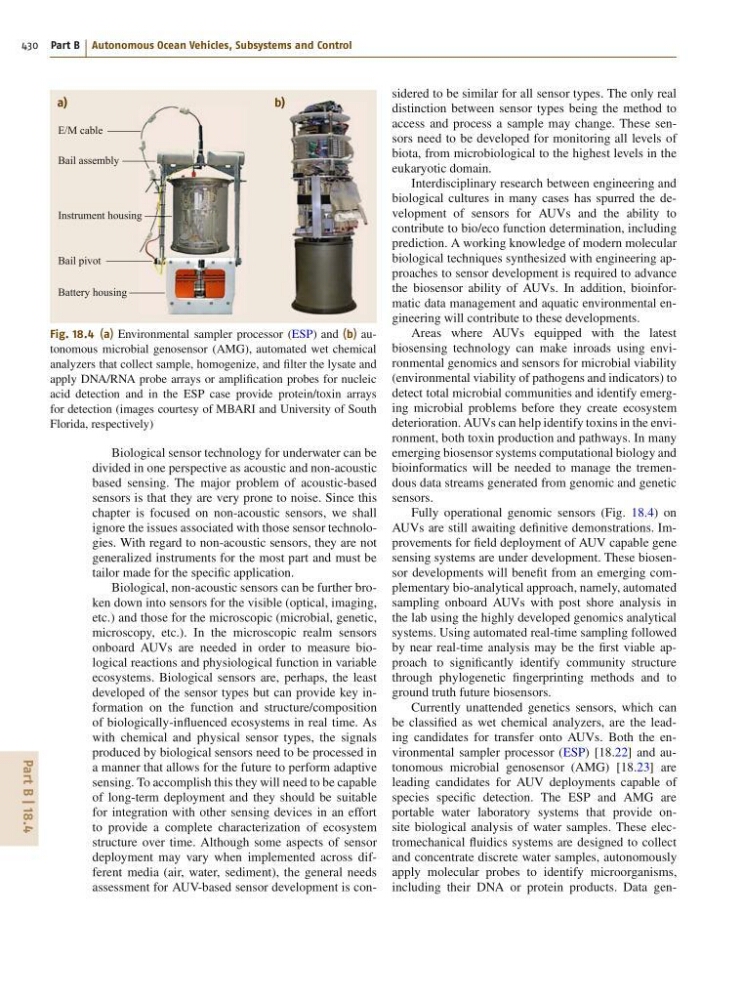
Fig. 18.4 (a) Environmental sampler processor (ESP) and (b) autonomous microbial genosensor (AMG), automated wet chemical
analyzers that collect sample, homogenize, and filter the lysate and
apply DNA/RNA probe arrays or amplification probes for nucleic
acid detection and in the ESP case provide protein/toxin arrays
for detection (images courtesy of MBARI and University of South
Florida, respectively)
Biological sensor technology for underwater can be
divided in one perspective as acoustic and non-acoustic
based sensing. The major problem of acoustic-based
sensors is that they are very prone to noise. Since this
chapter is focused on non-acoustic sensors, we shall
ignore the issues associated with those sensor technologies. With regard to non-acoustic sensors, they are not
generalized instruments for the most part and must be
tailor made for the specific application.
Biological, non-acoustic sensors can be further broken down into sensors for the visible (optical, imaging,
etc.) and those for the microscopic (microbial, genetic,
microscopy, etc.). In the microscopic realm sensors
onboard AUVs are needed in order to measure biological reactions and physiological function in variable
ecosystems. Biological sensors are, perhaps, the least
developed of the sensor types but can provide key information on the function and structure/composition
of biologically-influenced ecosystems in real time. As
with chemical and physical sensor types, the signals
produced by biological sensors need to be processed in
a manner that allows for the future to perform adaptive
sensing. To accomplish this they will need to be capable
of long-term deployment and they should be suitable
for integration with other sensing devices in an effort
to provide a complete characterization of ecosystem
structure over time. Although some aspects of sensor
deployment may vary when implemented across different media (air, water, sediment), the general needs
assessment for AUV-based sensor development is considered to be similar for all sensor types. The only real
distinction between sensor types being the method to
access and process a sample may change. These sensors need to be developed for monitoring all levels of
biota, from microbiological to the highest levels in the
eukaryotic domain.
Interdisciplinary research between engineering and
biological cultures in many cases has spurred the development of sensors for AUVs and the ability to
contribute to bio/eco function determination, including
prediction. A working knowledge of modern molecular
biological techniques synthesized with engineering approaches to sensor development is required to advance
the biosensor ability of AUVs. In addition, bioinformatic data management and aquatic environmental engineering will contribute to these developments.
Areas where AUVs equipped with the latest
biosensing technology can make inroads using environmental genomics and sensors for microbial viability
(environmental viability of pathogens and indicators) to
detect total microbial communities and identify emerging microbial problems before they create ecosystem
deterioration. AUVs can help identify toxins in the environment, both toxin production and pathways. In many
emerging biosensor systems computational biology and
bioinformatics will be needed to manage the tremendous data streams generated from genomic and genetic
sensors.
Fully operational genomic sensors (Fig. 18.4) on
AUVs are still awaiting definitive demonstrations. Improvements for field deployment of AUV capable gene
sensing systems are under development. These biosensor developments will benefit from an emerging complementary bio-analytical approach, namely, automated
sampling onboard AUVs with post shore analysis in
the lab using the highly developed genomics analytical
systems. Using automated real-time sampling followed
by near real-time analysis may be the first viable approach to significantly identify community structure
through phylogenetic fingerprinting methods and to
ground truth future biosensors.
Currently unattended genetics sensors, which can
be classified as wet chemical analyzers, are the leading candidates for transfer onto AUVs. Both the environmental sampler processor (ESP) [18.22] and autonomous microbial genosensor (AMG) [18.23] are
leading candidates for AUV deployments capable of
species specific detection. The ESP and AMG are
portable water laboratory systems that provide onsite biological analysis of water samples. These electromechanical fluidics systems are designed to collect
and concentrate discrete water samples, autonomously
apply molecular probes to identify microorganisms,
including their DNA or protein products. Data gen-
430 Part B Autonomous Ocean Vehicles, Subsystems and Control
a)
b)
E/M cable
Bail assembly
Bail pivot
Instrument housing
Battery housing
Fig. 18.4 (a) Environmental sampler processor (ESP) and (b) autonomous microbial genosensor (AMG), automated wet chemical
analyzers that collect sample, homogenize, and filter the lysate and
apply DNA/RNA probe arrays or amplification probes for nucleic
acid detection and in the ESP case provide protein/toxin arrays
for detection (images courtesy of MBARI and University of South
Florida, respectively)
Biological sensor technology for underwater can be
divided in one perspective as acoustic and non-acoustic
based sensing. The major problem of acoustic-based
sensors is that they are very prone to noise. Since this
chapter is focused on non-acoustic sensors, we shall
ignore the issues associated with those sensor technologies. With regard to non-acoustic sensors, they are not
generalized instruments for the most part and must be
tailor made for the specific application.
Biological, non-acoustic sensors can be further broken down into sensors for the visible (optical, imaging,
etc.) and those for the microscopic (microbial, genetic,
microscopy, etc.). In the microscopic realm sensors
onboard AUVs are needed in order to measure biological reactions and physiological function in variable
ecosystems. Biological sensors are, perhaps, the least
developed of the sensor types but can provide key information on the function and structure/composition
of biologically-influenced ecosystems in real time. As
with chemical and physical sensor types, the signals
produced by biological sensors need to be processed in
a manner that allows for the future to perform adaptive
sensing. To accomplish this they will need to be capable
of long-term deployment and they should be suitable
for integration with other sensing devices in an effort
to provide a complete characterization of ecosystem
structure over time. Although some aspects of sensor
deployment may vary when implemented across different media (air, water, sediment), the general needs
assessment for AUV-based sensor development is considered to be similar for all sensor types. The only real
distinction between sensor types being the method to
access and process a sample may change. These sensors need to be developed for monitoring all levels of
biota, from microbiological to the highest levels in the
eukaryotic domain.
Interdisciplinary research between engineering and
biological cultures in many cases has spurred the development of sensors for AUVs and the ability to
contribute to bio/eco function determination, including
prediction. A working knowledge of modern molecular
biological techniques synthesized with engineering approaches to sensor development is required to advance
the biosensor ability of AUVs. In addition, bioinformatic data management and aquatic environmental engineering will contribute to these developments.
Areas where AUVs equipped with the latest
biosensing technology can make inroads using environmental genomics and sensors for microbial viability
(environmental viability of pathogens and indicators) to
detect total microbial communities and identify emerging microbial problems before they create ecosystem
deterioration. AUVs can help identify toxins in the environment, both toxin production and pathways. In many
emerging biosensor systems computational biology and
bioinformatics will be needed to manage the tremendous data streams generated from genomic and genetic
sensors.
Fully operational genomic sensors (Fig. 18.4) on
AUVs are still awaiting definitive demonstrations. Improvements for field deployment of AUV capable gene
sensing systems are under development. These biosensor developments will benefit from an emerging complementary bio-analytical approach, namely, automated
sampling onboard AUVs with post shore analysis in
the lab using the highly developed genomics analytical
systems. Using automated real-time sampling followed
by near real-time analysis may be the first viable approach to significantly identify community structure
through phylogenetic fingerprinting methods and to
ground truth future biosensors.
Currently unattended genetics sensors, which can
be classified as wet chemical analyzers, are the leading candidates for transfer onto AUVs. Both the environmental sampler processor (ESP) [18.22] and autonomous microbial genosensor (AMG) [18.23] are
leading candidates for AUV deployments capable of
species specific detection. The ESP and AMG are
portable water laboratory systems that provide onsite biological analysis of water samples. These electromechanical fluidics systems are designed to collect
and concentrate discrete water samples, autonomously
apply molecular probes to identify microorganisms,
including their DNA or protein products. Data gen-