

Autonomous Underwater Vehicle Docking 16.1 Technical Elements of Docking 389
Part B | 16.1
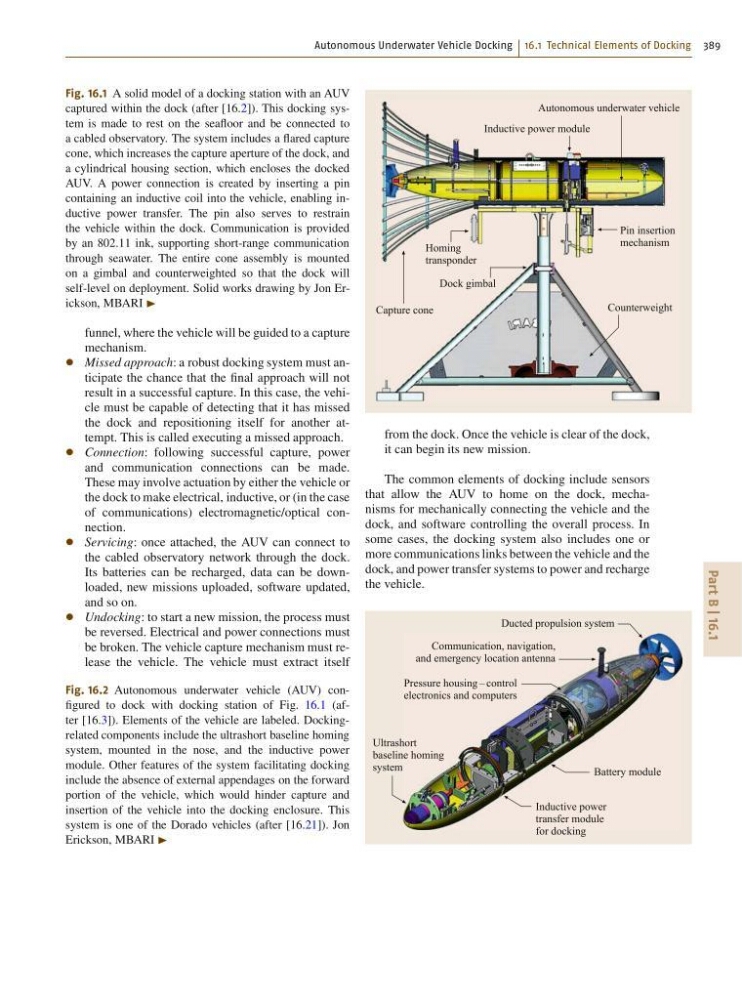
Fig. 16.1 A solid model of a docking station with an AUV
captured within the dock (after [16.2]). This docking system is made to rest on the seafloor and be connected to
a cabled observatory. The system includes a flared capture
cone, which increases the capture aperture of the dock, and
a cylindrical housing section, which encloses the docked
AUV. A power connection is created by inserting a pin
containing an inductive coil into the vehicle, enabling inductive power transfer. The pin also serves to restrain
the vehicle within the dock. Communication is provided
by an 802:11 ink, supporting short-range communication
through seawater. The entire cone assembly is mounted
on a gimbal and counterweighted so that the dock will
self-level on deployment. Solid works drawing by Jon Erickson, MBARI I
funnel, where the vehicle will be guided to a capture
mechanism.
Missed approach: a robust docking system must anticipate the chance that the final approach will not
result in a successful capture. In this case, the vehicle must be capable of detecting that it has missed
the dock and repositioning itself for another attempt. This is called executing a missed approach.
Connection: following successful capture, power
and communication connections can be made.
These may involve actuation by either the vehicle or
the dock to make electrical, inductive, or (in the case
of communications) electromagnetic/optical connection.
Servicing: once attached, the AUV can connect to
the cabled observatory network through the dock.
Its batteries can be recharged, data can be downloaded, new missions uploaded, software updated,
and so on.
Undocking: to start a new mission, the process must
be reversed. Electrical and power connections must
be broken. The vehicle capture mechanism must release the vehicle. The vehicle must extract itself
Fig. 16.2 Autonomous underwater vehicle (AUV) configured to dock with docking station of Fig. 16.1 (after [16.3]). Elements of the vehicle are labeled. Dockingrelated components include the ultrashort baseline homing
system, mounted in the nose, and the inductive power
module. Other features of the system facilitating docking
include the absence of external appendages on the forward
portion of the vehicle, which would hinder capture and
insertion of the vehicle into the docking enclosure. This
system is one of the Dorado vehicles (after [16.21]). Jon
Erickson, MBARI I
Autonomous underwater vehicle
Inductive power module
Pin insertion
mechanism
Homing
transponder
Dock gimbal
Capture cone
Counterweight
from the dock. Once the vehicle is clear of the dock,
it can begin its new mission.
The common elements of docking include sensors
that allow the AUV to home on the dock, mechanisms for mechanically connecting the vehicle and the
dock, and software controlling the overall process. In
some cases, the docking system also includes one or
more communications links between the vehicle and the
dock, and power transfer systems to power and recharge
the vehicle.
Inductive power
transfer module
for docking
Ultrashort
baseline homing
system
Battery module
Ducted propulsion system
Communication, navigation,
and emergency location antenna
Pressure housing – control
electronics and computers
Part B | 16.1
Fig. 16.1 A solid model of a docking station with an AUV
captured within the dock (after [16.2]). This docking system is made to rest on the seafloor and be connected to
a cabled observatory. The system includes a flared capture
cone, which increases the capture aperture of the dock, and
a cylindrical housing section, which encloses the docked
AUV. A power connection is created by inserting a pin
containing an inductive coil into the vehicle, enabling inductive power transfer. The pin also serves to restrain
the vehicle within the dock. Communication is provided
by an 802:11 ink, supporting short-range communication
through seawater. The entire cone assembly is mounted
on a gimbal and counterweighted so that the dock will
self-level on deployment. Solid works drawing by Jon Erickson, MBARI I
funnel, where the vehicle will be guided to a capture
mechanism.
Missed approach: a robust docking system must anticipate the chance that the final approach will not
result in a successful capture. In this case, the vehicle must be capable of detecting that it has missed
the dock and repositioning itself for another attempt. This is called executing a missed approach.
Connection: following successful capture, power
and communication connections can be made.
These may involve actuation by either the vehicle or
the dock to make electrical, inductive, or (in the case
of communications) electromagnetic/optical connection.
Servicing: once attached, the AUV can connect to
the cabled observatory network through the dock.
Its batteries can be recharged, data can be downloaded, new missions uploaded, software updated,
and so on.
Undocking: to start a new mission, the process must
be reversed. Electrical and power connections must
be broken. The vehicle capture mechanism must release the vehicle. The vehicle must extract itself
Fig. 16.2 Autonomous underwater vehicle (AUV) configured to dock with docking station of Fig. 16.1 (after [16.3]). Elements of the vehicle are labeled. Dockingrelated components include the ultrashort baseline homing
system, mounted in the nose, and the inductive power
module. Other features of the system facilitating docking
include the absence of external appendages on the forward
portion of the vehicle, which would hinder capture and
insertion of the vehicle into the docking enclosure. This
system is one of the Dorado vehicles (after [16.21]). Jon
Erickson, MBARI I
Autonomous underwater vehicle
Inductive power module
Pin insertion
mechanism
Homing
transponder
Dock gimbal
Capture cone
Counterweight
from the dock. Once the vehicle is clear of the dock,
it can begin its new mission.
The common elements of docking include sensors
that allow the AUV to home on the dock, mechanisms for mechanically connecting the vehicle and the
dock, and software controlling the overall process. In
some cases, the docking system also includes one or
more communications links between the vehicle and the
dock, and power transfer systems to power and recharge
the vehicle.
Inductive power
transfer module
for docking
Ultrashort
baseline homing
system
Battery module
Ducted propulsion system
Communication, navigation,
and emergency location antenna
Pressure housing – control
electronics and computers