

Autonomous Sea Surface Vehicles 13.1 Platforms 325
Part B | 13.1
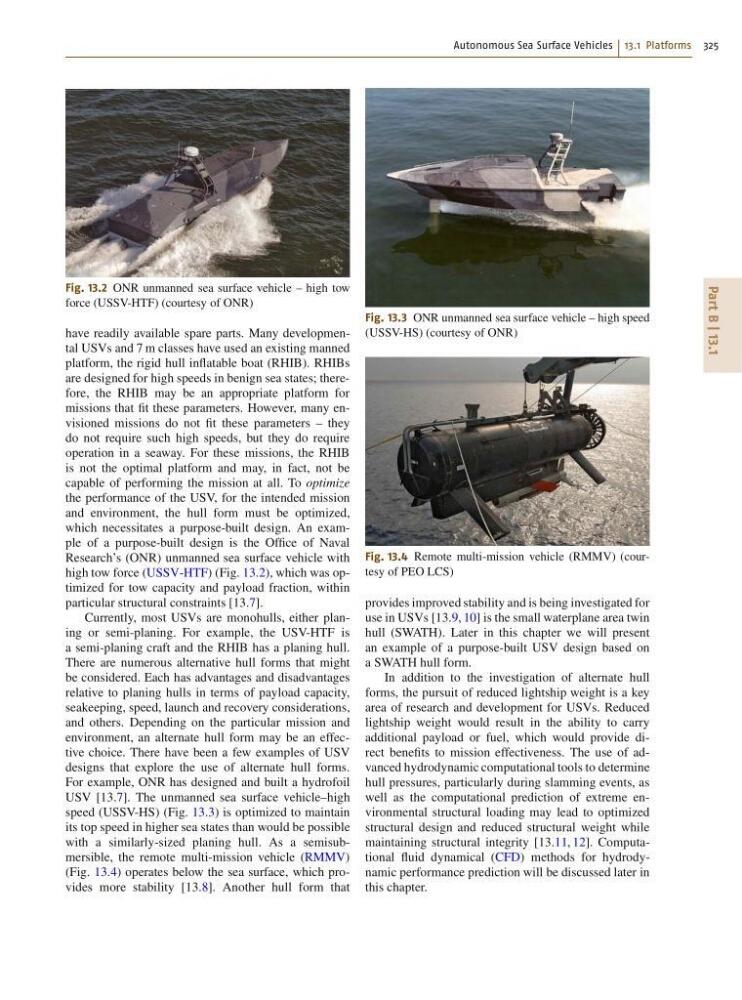
Fig. 13.2 ONR unmanned sea surface vehicle – high tow
force (USSV-HTF) (courtesy of ONR)
have readily available spare parts. Many developmental USVs and 7 m classes have used an existing manned
platform, the rigid hull inflatable boat (RHIB). RHIBs
are designed for high speeds in benign sea states; therefore, the RHIB may be an appropriate platform for
missions that fit these parameters. However, many envisioned missions do not fit these parameters – they
do not require such high speeds, but they do require
operation in a seaway. For these missions, the RHIB
is not the optimal platform and may, in fact, not be
capable of performing the mission at all. To optimize
the performance of the USV, for the intended mission
and environment, the hull form must be optimized,
which necessitates a purpose-built design. An example of a purpose-built design is the Office of Naval
Research’s (ONR) unmanned sea surface vehicle with
high tow force (USSV-HTF) (Fig. 13.2), which was optimized for tow capacity and payload fraction, within
particular structural constraints [13.7].
Currently, most USVs are monohulls, either planing or semi-planing. For example, the USV-HTF is
a semi-planing craft and the RHIB has a planing hull.
There are numerous alternative hull forms that might
be considered. Each has advantages and disadvantages
relative to planing hulls in terms of payload capacity,
seakeeping, speed, launch and recovery considerations,
and others. Depending on the particular mission and
environment, an alternate hull form may be an effective choice. There have been a few examples of USV
designs that explore the use of alternate hull forms.
For example, ONR has designed and built a hydrofoil
USV [13.7]. The unmanned sea surface vehicle–high
speed (USSV-HS) (Fig. 13.3) is optimized to maintain
its top speed in higher sea states than would be possible
with a similarly-sized planing hull. As a semisubmersible, the remote multi-mission vehicle (RMMV)
(Fig. 13.4) operates below the sea surface, which provides more stability [13.8]. Another hull form that
Fig. 13.3 ONR unmanned sea surface vehicle – high speed
(USSV-HS) (courtesy of ONR)
Fig. 13.4 Remote multi-mission vehicle (RMMV) (courtesy of PEO LCS)
provides improved stability and is being investigated for
use in USVs [13.9, 10] is the small waterplane area twin
hull (SWATH). Later in this chapter we will present
an example of a purpose-built USV design based on
a SWATH hull form.
In addition to the investigation of alternate hull
forms, the pursuit of reduced lightship weight is a key
area of research and development for USVs. Reduced
lightship weight would result in the ability to carry
additional payload or fuel, which would provide direct benefits to mission effectiveness. The use of advanced hydrodynamic computational tools to determine
hull pressures, particularly during slamming events, as
well as the computational prediction of extreme environmental structural loading may lead to optimized
structural design and reduced structural weight while
maintaining structural integrity [13.11, 12]. Computational fluid dynamical (CFD) methods for hydrodynamic performance prediction will be discussed later in
this chapter.
Part B | 13.1
Fig. 13.2 ONR unmanned sea surface vehicle – high tow
force (USSV-HTF) (courtesy of ONR)
have readily available spare parts. Many developmental USVs and 7 m classes have used an existing manned
platform, the rigid hull inflatable boat (RHIB). RHIBs
are designed for high speeds in benign sea states; therefore, the RHIB may be an appropriate platform for
missions that fit these parameters. However, many envisioned missions do not fit these parameters – they
do not require such high speeds, but they do require
operation in a seaway. For these missions, the RHIB
is not the optimal platform and may, in fact, not be
capable of performing the mission at all. To optimize
the performance of the USV, for the intended mission
and environment, the hull form must be optimized,
which necessitates a purpose-built design. An example of a purpose-built design is the Office of Naval
Research’s (ONR) unmanned sea surface vehicle with
high tow force (USSV-HTF) (Fig. 13.2), which was optimized for tow capacity and payload fraction, within
particular structural constraints [13.7].
Currently, most USVs are monohulls, either planing or semi-planing. For example, the USV-HTF is
a semi-planing craft and the RHIB has a planing hull.
There are numerous alternative hull forms that might
be considered. Each has advantages and disadvantages
relative to planing hulls in terms of payload capacity,
seakeeping, speed, launch and recovery considerations,
and others. Depending on the particular mission and
environment, an alternate hull form may be an effective choice. There have been a few examples of USV
designs that explore the use of alternate hull forms.
For example, ONR has designed and built a hydrofoil
USV [13.7]. The unmanned sea surface vehicle–high
speed (USSV-HS) (Fig. 13.3) is optimized to maintain
its top speed in higher sea states than would be possible
with a similarly-sized planing hull. As a semisubmersible, the remote multi-mission vehicle (RMMV)
(Fig. 13.4) operates below the sea surface, which provides more stability [13.8]. Another hull form that
Fig. 13.3 ONR unmanned sea surface vehicle – high speed
(USSV-HS) (courtesy of ONR)
Fig. 13.4 Remote multi-mission vehicle (RMMV) (courtesy of PEO LCS)
provides improved stability and is being investigated for
use in USVs [13.9, 10] is the small waterplane area twin
hull (SWATH). Later in this chapter we will present
an example of a purpose-built USV design based on
a SWATH hull form.
In addition to the investigation of alternate hull
forms, the pursuit of reduced lightship weight is a key
area of research and development for USVs. Reduced
lightship weight would result in the ability to carry
additional payload or fuel, which would provide direct benefits to mission effectiveness. The use of advanced hydrodynamic computational tools to determine
hull pressures, particularly during slamming events, as
well as the computational prediction of extreme environmental structural loading may lead to optimized
structural design and reduced structural weight while
maintaining structural integrity [13.11, 12]. Computational fluid dynamical (CFD) methods for hydrodynamic performance prediction will be discussed later in
this chapter.