

vegetation, resulting from its adaptation to the
peculiarities of climate, is strikingly similar. The
broadleaf evergreen woodlands of southern
Europe, for example, are composed mostly of
various kinds of oaks, whereas the similar forests
of Australia are species of eucalpytus.
Because the winters are not cold enough, nor
the summer droughts long enough to enforce a
period of rest, there is no season when the leaves
drop from the trees and growth ceases. In this
way the mediterranean vegetation differs from
selva (p. 84), which is evergreen but which has
no seasonal rhythm. The woodland adapts itself
to summer droughts. The trees are widely spaced
and all plants have deep tap roots and a wide
development of surface roots (Fig. 6.14). The
evaporation from the plants is diminished by a
thick bark and by the sclerophyllous leaves.
In many areas, the original cover of woodland
has been radically altered, probably by humans.
At present, large areas of this group are covered
by a thick, low growth of bushes and shrubs,
known as maquis in Europe, chaparral in
California, and mallee in southern Australia.
Extreme flammability characterizes the chaparral
during the long, dry summer. This poses an ever
present threat to suburban housing which has
expanded into chaparral-covered hillsides in
California.
This has raised a problem of resource management in the suburban areas around cities.
When an attempt is made to keep fires from
starting, the brush grows thicker and accumulates
a layer of debris underneath. As a result, the
brush fires are more destructive than they were
when smaller fires occurred each year. Furthermore, when a large fire has completely burned
the cover, the torrential winter rains that follow
produce mud flows and floods. The soil may be
swept completely away, leaving only the bare
rock exposed at the surface, while bordering
valleys are filled with mud. This situation is
worsened in southern California where soil
becomes water repellent following fire.
After a fire, many mediterranean shrubs
resprout from root crowns. The seeds of some
species need fire to germinate and may lay dormant for years until the next fire.
Soils of this mediterranean climate are not
susceptible to simple classification. Soils typical
of semiarid climates associated with grasslands
are generally found. Severe and prolonged soil
erosion following deforestation and overgrazing
has left the mediterranean region with much
exposed regolith and bedrock.
Animals survive fire by taking flight, or by
retreating to underground burrows. Native
mammals include deer, rabbits, and numerous
rodents. In southern Europe and California,
many of the native species have been replaced
by large domestic grazers such as cows, sheep,
and goats. Much of the birdlife is migratory,
visiting mainly during the spring and fall. Resident birds tend to have short wings and long tails,
an aid to maneuvering around shrubs.
The region is an important source of citrus
fruits, grapes, and olives. In the mediterranean,
cork from the bark of the cork oak is also important. In central and southern California citrus,
grapes, avocadoes, nuts (almond, walnut), and
deciduous fruits are extensively grown. Irrigated
alluvial soils are also highly productive for vegetable crops such as carrots, lettuce, artichokes,
strawberries, and forage crops (alfalfa).
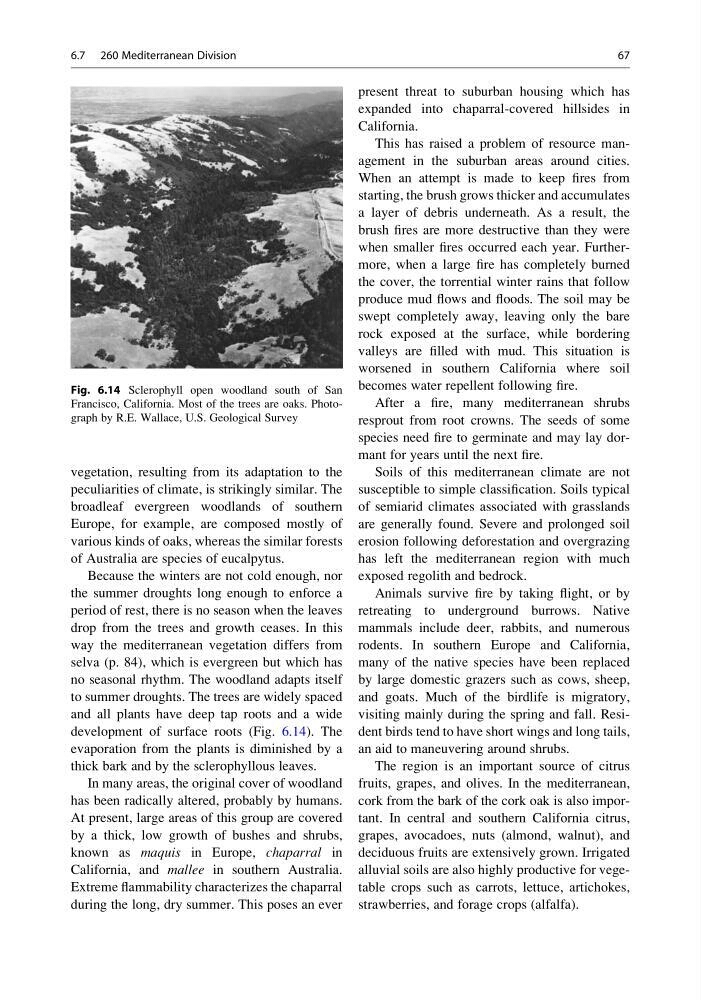
Fig. 6.14 Sclerophyll open woodland south of San
Francisco, California. Most of the trees are oaks. Photograph by R.E. Wallace, U.S. Geological Survey
6.7 260 Mediterranean Division
67
peculiarities of climate, is strikingly similar. The
broadleaf evergreen woodlands of southern
Europe, for example, are composed mostly of
various kinds of oaks, whereas the similar forests
of Australia are species of eucalpytus.
Because the winters are not cold enough, nor
the summer droughts long enough to enforce a
period of rest, there is no season when the leaves
drop from the trees and growth ceases. In this
way the mediterranean vegetation differs from
selva (p. 84), which is evergreen but which has
no seasonal rhythm. The woodland adapts itself
to summer droughts. The trees are widely spaced
and all plants have deep tap roots and a wide
development of surface roots (Fig. 6.14). The
evaporation from the plants is diminished by a
thick bark and by the sclerophyllous leaves.
In many areas, the original cover of woodland
has been radically altered, probably by humans.
At present, large areas of this group are covered
by a thick, low growth of bushes and shrubs,
known as maquis in Europe, chaparral in
California, and mallee in southern Australia.
Extreme flammability characterizes the chaparral
during the long, dry summer. This poses an ever
present threat to suburban housing which has
expanded into chaparral-covered hillsides in
California.
This has raised a problem of resource management in the suburban areas around cities.
When an attempt is made to keep fires from
starting, the brush grows thicker and accumulates
a layer of debris underneath. As a result, the
brush fires are more destructive than they were
when smaller fires occurred each year. Furthermore, when a large fire has completely burned
the cover, the torrential winter rains that follow
produce mud flows and floods. The soil may be
swept completely away, leaving only the bare
rock exposed at the surface, while bordering
valleys are filled with mud. This situation is
worsened in southern California where soil
becomes water repellent following fire.
After a fire, many mediterranean shrubs
resprout from root crowns. The seeds of some
species need fire to germinate and may lay dormant for years until the next fire.
Soils of this mediterranean climate are not
susceptible to simple classification. Soils typical
of semiarid climates associated with grasslands
are generally found. Severe and prolonged soil
erosion following deforestation and overgrazing
has left the mediterranean region with much
exposed regolith and bedrock.
Animals survive fire by taking flight, or by
retreating to underground burrows. Native
mammals include deer, rabbits, and numerous
rodents. In southern Europe and California,
many of the native species have been replaced
by large domestic grazers such as cows, sheep,
and goats. Much of the birdlife is migratory,
visiting mainly during the spring and fall. Resident birds tend to have short wings and long tails,
an aid to maneuvering around shrubs.
The region is an important source of citrus
fruits, grapes, and olives. In the mediterranean,
cork from the bark of the cork oak is also important. In central and southern California citrus,
grapes, avocadoes, nuts (almond, walnut), and
deciduous fruits are extensively grown. Irrigated
alluvial soils are also highly productive for vegetable crops such as carrots, lettuce, artichokes,
strawberries, and forage crops (alfalfa).
Fig. 6.14 Sclerophyll open woodland south of San
Francisco, California. Most of the trees are oaks. Photograph by R.E. Wallace, U.S. Geological Survey
6.7 260 Mediterranean Division
67