

6
Benthic Cycling of Oxygen, Nitrogen and Phosphorus
222
role in the biological energy transfer (e.g. in the
formation of ATP by the phosphorylation of ADP).
Alternatively, energy can be conserved in linear
polymers of phosphate called polyphosphates.
The build-up of polyphosphates requires energy,
whereas ATP is formed in the breakdown.
Although all living organisms contain polyphosphates, only some microorganisms accumulate
polyphosphates in larger amounts, visible as compact inclusions (e.g. Kornberg 1995).
Bacterial phosphate accumulation and release
has been studied most thoroughly in wastewater
treatment plants, where polyphosphate accumulating bacteria are used since decades to remove
phosphate. To induce polyphosphate accumulation
in bacteria an anoxic phase has to be introduced
followed by an oxic phase. During the anoxic phase
end products of fermentation such as acetate accumulate in the wastewater. The bacteria take up
acetate and store it, e.g. as PHA (polyhydroxyalkanoate) inclusions. The energy for the storage of
acetate is gained by the break down of polyphosphate, which is accompanied by a release of
phosphate. In the following oxic phase the bacteria
have a suitable electron acceptor, oxygen, to oxidize
PHA and can gain large quantities of energy, which
is partly conserved in the build-up of polyphosphate. Consequently, phosphate disappears from the
water and the sludge containing polyphosphate can
be removed (e.g. Mino 2000).
Analogous to wastewater it had been proposed that polyphosphate accumulating bacteria
could also play a role in the phosphorus cycle of
the ocean (Nathan 1993). Particularly, large sulfur
bacteria (Fig. 6.7) have been suspected to play a
role in the formation of phosphorite, as they
occur in the same areas where recent and active
phosphorite formation is observed and have
been found as fossils in phosphorite deposits
(Williams and Reimers 1983). Lately, these
bacteria have been shown to accumulate polyphosphate. Thiomargarita, the largest sulfur
bacterium thriving off the coast of Namibia, was
observed to release phosphate into anoxic sediments leading to an over-saturation of the pore
water with phosphate and rapid precipitation of
hydroxyapatite. Laboratory experiments showed
that the release of phosphate by Thiomargarita
cells could be induced by the addition of acetate
to the medium (Schulz and Schulz 2005). This
might indicate that the processes of bacterial
phosphate accumulation and release in eutrophic
marine environments are similar to those observed in wastewater.
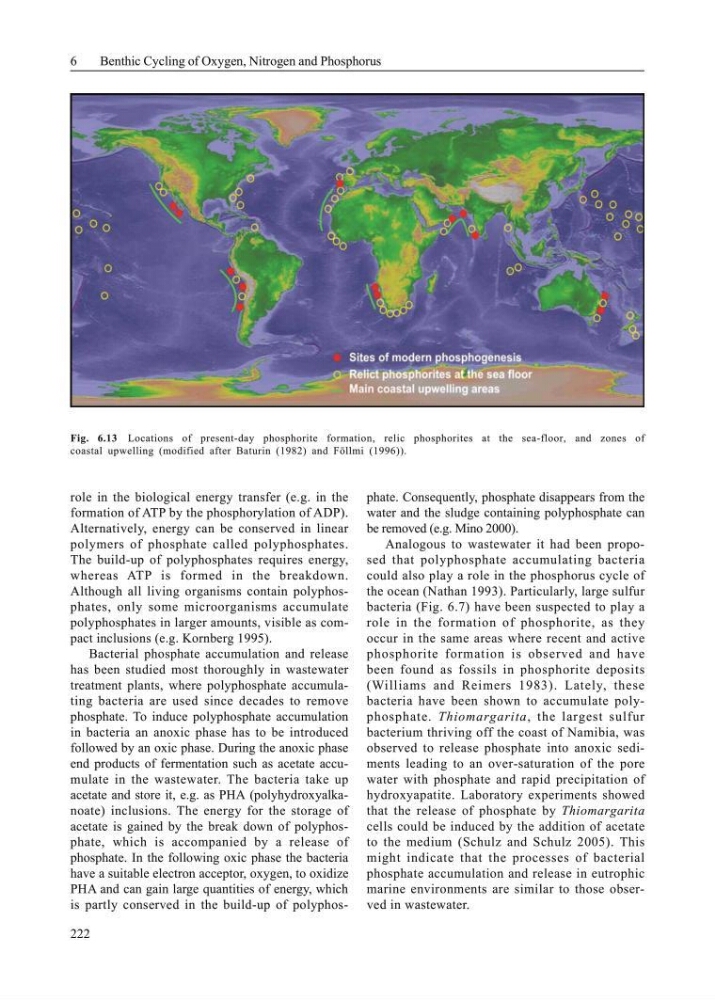
Fig. 6.13 Locations of present-day phosphorite formation, relic phosphorites at the sea-floor, and zones of
coastal upwelling (modified after Baturin (1982) and Föllmi (1996)).
Benthic Cycling of Oxygen, Nitrogen and Phosphorus
222
role in the biological energy transfer (e.g. in the
formation of ATP by the phosphorylation of ADP).
Alternatively, energy can be conserved in linear
polymers of phosphate called polyphosphates.
The build-up of polyphosphates requires energy,
whereas ATP is formed in the breakdown.
Although all living organisms contain polyphosphates, only some microorganisms accumulate
polyphosphates in larger amounts, visible as compact inclusions (e.g. Kornberg 1995).
Bacterial phosphate accumulation and release
has been studied most thoroughly in wastewater
treatment plants, where polyphosphate accumulating bacteria are used since decades to remove
phosphate. To induce polyphosphate accumulation
in bacteria an anoxic phase has to be introduced
followed by an oxic phase. During the anoxic phase
end products of fermentation such as acetate accumulate in the wastewater. The bacteria take up
acetate and store it, e.g. as PHA (polyhydroxyalkanoate) inclusions. The energy for the storage of
acetate is gained by the break down of polyphosphate, which is accompanied by a release of
phosphate. In the following oxic phase the bacteria
have a suitable electron acceptor, oxygen, to oxidize
PHA and can gain large quantities of energy, which
is partly conserved in the build-up of polyphosphate. Consequently, phosphate disappears from the
water and the sludge containing polyphosphate can
be removed (e.g. Mino 2000).
Analogous to wastewater it had been proposed that polyphosphate accumulating bacteria
could also play a role in the phosphorus cycle of
the ocean (Nathan 1993). Particularly, large sulfur
bacteria (Fig. 6.7) have been suspected to play a
role in the formation of phosphorite, as they
occur in the same areas where recent and active
phosphorite formation is observed and have
been found as fossils in phosphorite deposits
(Williams and Reimers 1983). Lately, these
bacteria have been shown to accumulate polyphosphate. Thiomargarita, the largest sulfur
bacterium thriving off the coast of Namibia, was
observed to release phosphate into anoxic sediments leading to an over-saturation of the pore
water with phosphate and rapid precipitation of
hydroxyapatite. Laboratory experiments showed
that the release of phosphate by Thiomargarita
cells could be induced by the addition of acetate
to the medium (Schulz and Schulz 2005). This
might indicate that the processes of bacterial
phosphate accumulation and release in eutrophic
marine environments are similar to those observed in wastewater.
Fig. 6.13 Locations of present-day phosphorite formation, relic phosphorites at the sea-floor, and zones of
coastal upwelling (modified after Baturin (1982) and Föllmi (1996)).