

5
Bacteria and Marine Biogeochemistry
200
hydroxylamine. The rate of ammonium accumulation after nitrapyrin inhibition is thus a
measure of the nitrification rate before inhibition
(Henriksen 1980).
Acetylene (C 2 H 2 ) has been used to study the
process of denitrification in which it blocks the
last step from N 2 O to N 2 (Sørensen 1978;
Seitzinger et al. 1993). It causes an accumulation
of N 2 O which can be analyzed by a gas chromatograph equipped with an electron capture
detector or by a N 2 O microelectrode (Revsbech et
al. 1988). The N 2 O accumulation rate is equal to
the denitrification rate before inhibition.
Acetylene is also used for studies of N 2 fixation.
Acetylene has a triple bond analogous to N 2
(HC≡CH vs. N≡N) and can substitute N 2
competitively. Instead of reducing N
2
to NH 4
+
, the
key enzyme of nitrogen fixation, nitrogenase,
reduces acetylene to ethylene (H 2 C=CH 2 ). The
formation rate of ethylene, which is easily
analyzed in the headspace by a gas chromatograph with flame ionization detector, is thus a
measure of the nitrogen fixation rate.
Other inhibitors are applied in studies of
photosynthesis (DCMU) and respiration (cyanide)
or are used to distinguish activities of prokaryotic
(chloramphenicol) versus eukaryotic (cycloheximide) microorganisms (Table 5.8).
5.6.5
Other Methods
Information on the hydrolytic activity in marine
sediments has been obtained from the use of
model substrates labeled with fluorescent dyes
such as methylumbelliferone (MUF) or fluorescein. These substrates may be small dimeric
molecules, the hydrolytic cleavage of which
releases the fluorescence signal, which is then
indicative of the activity of specific enzymes
such as glucosidase, chitobiase, lipase, aminopeptidase or esterase (Chrost 1991). Also
large fluorescently labeled polymers such as the
polysaccharides laminarin or pullulan have been
used in experiments to demonstrate the mechanism and kinetics of bacterial degradation
(Arnosti 1996).
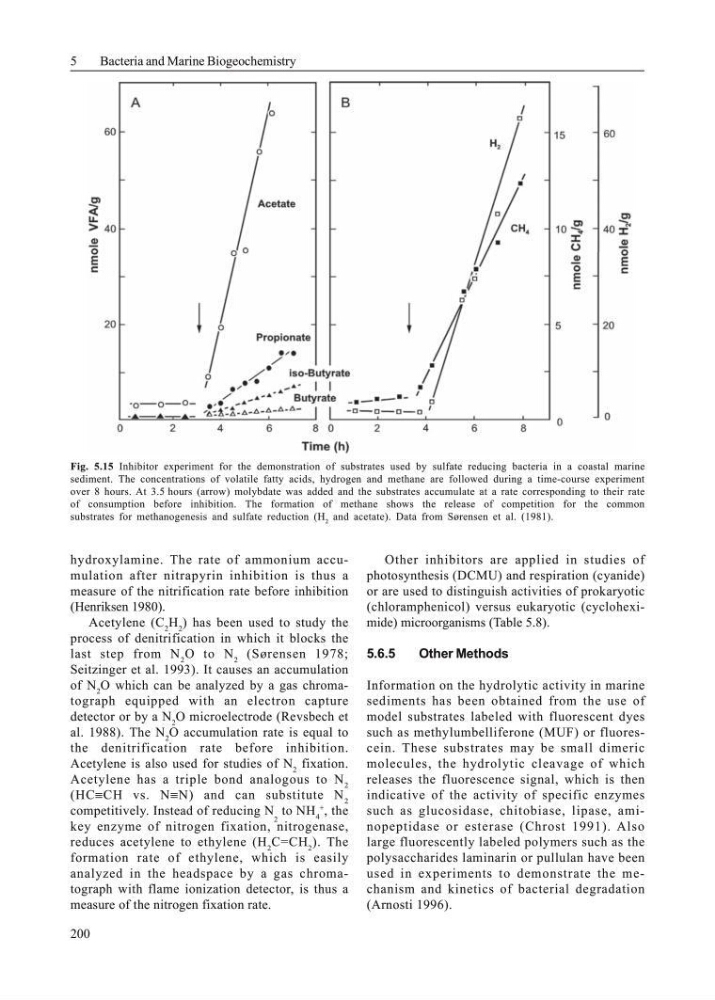
Fig. 5.15 Inhibitor experiment for the demonstration of substrates used by sulfate reducing bacteria in a coastal marine
sediment. The concentrations of volatile fatty acids, hydrogen and methane are followed during a time-course experiment
over 8 hours. At 3.5 hours (arrow) molybdate was added and the substrates accumulate at a rate corresponding to their rate
of consumption before inhibition. The formation of methane shows the release of competition for the common
substrates for methanogenesis and sulfate reduction (H 2 and acetate). Data from Sørensen et al. (1981).
Bacteria and Marine Biogeochemistry
200
hydroxylamine. The rate of ammonium accumulation after nitrapyrin inhibition is thus a
measure of the nitrification rate before inhibition
(Henriksen 1980).
Acetylene (C 2 H 2 ) has been used to study the
process of denitrification in which it blocks the
last step from N 2 O to N 2 (Sørensen 1978;
Seitzinger et al. 1993). It causes an accumulation
of N 2 O which can be analyzed by a gas chromatograph equipped with an electron capture
detector or by a N 2 O microelectrode (Revsbech et
al. 1988). The N 2 O accumulation rate is equal to
the denitrification rate before inhibition.
Acetylene is also used for studies of N 2 fixation.
Acetylene has a triple bond analogous to N 2
(HC≡CH vs. N≡N) and can substitute N 2
competitively. Instead of reducing N
2
to NH 4
+
, the
key enzyme of nitrogen fixation, nitrogenase,
reduces acetylene to ethylene (H 2 C=CH 2 ). The
formation rate of ethylene, which is easily
analyzed in the headspace by a gas chromatograph with flame ionization detector, is thus a
measure of the nitrogen fixation rate.
Other inhibitors are applied in studies of
photosynthesis (DCMU) and respiration (cyanide)
or are used to distinguish activities of prokaryotic
(chloramphenicol) versus eukaryotic (cycloheximide) microorganisms (Table 5.8).
5.6.5
Other Methods
Information on the hydrolytic activity in marine
sediments has been obtained from the use of
model substrates labeled with fluorescent dyes
such as methylumbelliferone (MUF) or fluorescein. These substrates may be small dimeric
molecules, the hydrolytic cleavage of which
releases the fluorescence signal, which is then
indicative of the activity of specific enzymes
such as glucosidase, chitobiase, lipase, aminopeptidase or esterase (Chrost 1991). Also
large fluorescently labeled polymers such as the
polysaccharides laminarin or pullulan have been
used in experiments to demonstrate the mechanism and kinetics of bacterial degradation
(Arnosti 1996).
Fig. 5.15 Inhibitor experiment for the demonstration of substrates used by sulfate reducing bacteria in a coastal marine
sediment. The concentrations of volatile fatty acids, hydrogen and methane are followed during a time-course experiment
over 8 hours. At 3.5 hours (arrow) molybdate was added and the substrates accumulate at a rate corresponding to their rate
of consumption before inhibition. The formation of methane shows the release of competition for the common
substrates for methanogenesis and sulfate reduction (H 2 and acetate). Data from Sørensen et al. (1981).