

Energy and Water Cycles in the Climate System ...
11
DAY · NIGHT DIFFERENCE IN TOI'AL CLOUD COVER (%) December. January. February (1982· 1991)
SO'N
3O'N
30'S
180"
120"W 9O"W
SO"W
3O'W
0'
3O'E
6O'E
9O"E
120"E
lSO'E
180'
160'
l5O"W 12O"W 9O"W
6O'W
3O'W
0"
3O'E
6O'E
9O' E
120"E lWE
180'
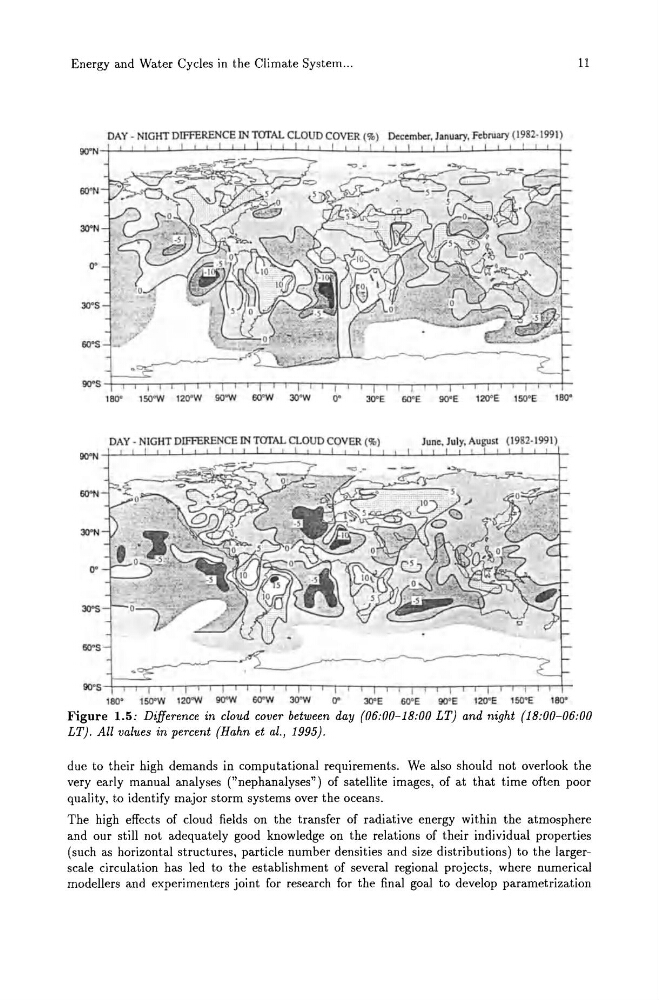
Figure 1.5: Difference in cloud cover between day (06:00-18:00 LT) and night (18:00-06:00
LT). All values in percent (Hahn et al., 1995).
due to their high demands in computational requirements. We also should not overlook the
very early manual analyses ("nephanalyses") of satellite images, of at that time often poor
quality, to identify major storm systems over the oceans.
The high effects of cloud fields on the transfer of radiative energy within the atmosphere
and our still not adequately good knowledge on the relations of their individual properties
(such as horizontal structures, particle number densities and size distributions) to the largerscale circulation has led to the establishment of several regional projects, where numerical
modellers and experimenters joint for research for the final goal to develop parametrization
11
DAY · NIGHT DIFFERENCE IN TOI'AL CLOUD COVER (%) December. January. February (1982· 1991)
SO'N
3O'N
30'S
180"
120"W 9O"W
SO"W
3O'W
0'
3O'E
6O'E
9O"E
120"E
lSO'E
180'
160'
l5O"W 12O"W 9O"W
6O'W
3O'W
0"
3O'E
6O'E
9O' E
120"E lWE
180'
Figure 1.5: Difference in cloud cover between day (06:00-18:00 LT) and night (18:00-06:00
LT). All values in percent (Hahn et al., 1995).
due to their high demands in computational requirements. We also should not overlook the
very early manual analyses ("nephanalyses") of satellite images, of at that time often poor
quality, to identify major storm systems over the oceans.
The high effects of cloud fields on the transfer of radiative energy within the atmosphere
and our still not adequately good knowledge on the relations of their individual properties
(such as horizontal structures, particle number densities and size distributions) to the largerscale circulation has led to the establishment of several regional projects, where numerical
modellers and experimenters joint for research for the final goal to develop parametrization