

spermatozoa and motile cells per ejaculate of bulls are lower in summer than in winter
and spring (Mathevon et al. 1998). Nichi et al. (2006) reported higher percentage of
major sperm defects during summer than the winter in Simmental and Nellore bulls.
The increase in milk yield increases sensitivity of cattle to thermal stress and reduces
the “threshold temperature” at which milk losses occur (Berman 2005) indicating that
high yielding animals are more vulnerable to environmental stress.
Indian perspective: The negative impact of direct temperature rise on total milk
production of cattle and buffaloes for India has been estimated about 1.6 MT in
2020 and more than 15 MT in 2050 (Upadhyay 2014). Climate change has a
substantial effect on water availability which could cripple the dairy farming like
never before. Sirohi and Sirohi (2010) attempted to quantify the potential losses that
could accrue to the milk producers due to climate change induced decline in productivity of dairy animals (Table 2). The States with higher coastal areas are more
vulnerable to milk production losses due to high relative humidity for longer
duration. The enormity of the cost to the milk producers could be even greater after
accounting for the losses accruing from incidence of diseases, extreme events, etc.;
the high magnitude of direct production losses has implications for the potential
investments in climate change adaptation strategies for the livelihood security of
millions of milk producers in the country (Sirohi and Sirohi 2010).
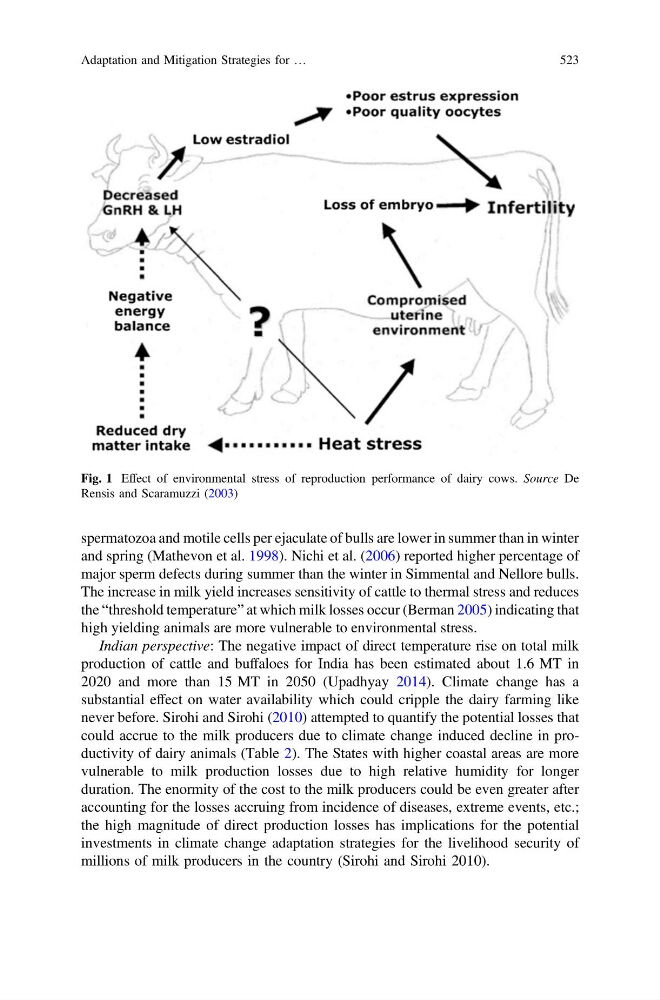
Fig. 1 Effect of environmental stress of reproduction performance of dairy cows. Source De
Rensis and Scaramuzzi (2003)
Adaptation and Mitigation Strategies for …
523
and spring (Mathevon et al. 1998). Nichi et al. (2006) reported higher percentage of
major sperm defects during summer than the winter in Simmental and Nellore bulls.
The increase in milk yield increases sensitivity of cattle to thermal stress and reduces
the “threshold temperature” at which milk losses occur (Berman 2005) indicating that
high yielding animals are more vulnerable to environmental stress.
Indian perspective: The negative impact of direct temperature rise on total milk
production of cattle and buffaloes for India has been estimated about 1.6 MT in
2020 and more than 15 MT in 2050 (Upadhyay 2014). Climate change has a
substantial effect on water availability which could cripple the dairy farming like
never before. Sirohi and Sirohi (2010) attempted to quantify the potential losses that
could accrue to the milk producers due to climate change induced decline in productivity of dairy animals (Table 2). The States with higher coastal areas are more
vulnerable to milk production losses due to high relative humidity for longer
duration. The enormity of the cost to the milk producers could be even greater after
accounting for the losses accruing from incidence of diseases, extreme events, etc.;
the high magnitude of direct production losses has implications for the potential
investments in climate change adaptation strategies for the livelihood security of
millions of milk producers in the country (Sirohi and Sirohi 2010).
Fig. 1 Effect of environmental stress of reproduction performance of dairy cows. Source De
Rensis and Scaramuzzi (2003)
Adaptation and Mitigation Strategies for …
523