

120
8r-~:r-r~.~·_-'·.r.~:--~~--~~--~~~
: ........ :
: '-.:
6 ~<~ . . . . . . :.>~L.'~:~~~< . . . + . . . ·····T·····~·····T····
. 4 ;/f/'r . . . . : ...... ~ ...... I~~)~~~~L-J·>··/~
~
: : : r~~+-~--L--• '0- ••••• ; ••••• .; •••••• ~ •••••• :- - • _. - .,,- •• -
·
.
.
.
.
.
·
.
. .
.
·
.
. .
.
·
.
. .
.
·
.
. .
.
·
.
. .
.
:
:
~:
:
·
.
. .
.
F M A M J J A S o N D
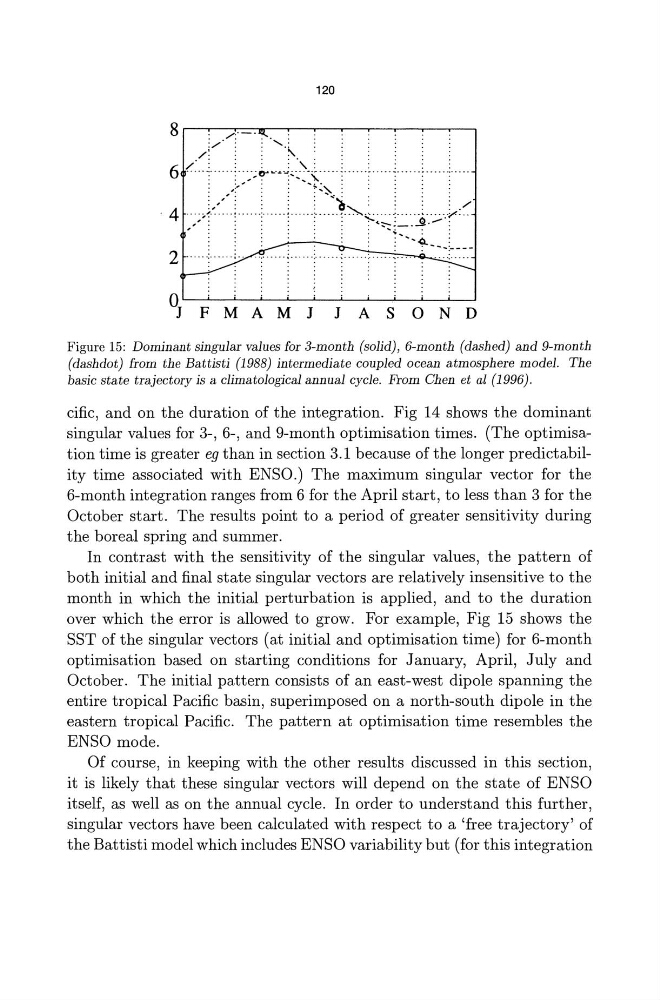
Figure 15: Dominant singular values for 3-month (solid), 6-month (dashed) and 9-month
(dash dot) from the Battisti (1988) intermediate coupled ocean atmosphere model. The
basic state trajectory is a climatological annual cycle. From Chen et al (1996).
cific, and on the duration of the integration. Fig 14 shows the dominant
singular values for 3-, 6-, and 9-month optimisation times. (The optimisation time is greater eg than in section 3.1 because of the longer predictability time associated with ENSO.) The maximum singular vector for the
6-month integration ranges from 6 for the April start, to less than 3 for the
October start. The results point to a period of greater sensitivity during
the boreal spring and summer.
In contrast with the sensitivity of the singular values, the pattern of
both initial and final state singular vectors are relatively insensitive to the
month in which the initial perturbation is applied, and to the duration
over which the error is allowed to grow. For example, Fig 15 shows the
SST of the singular vectors (at initial and optimisation time) for 6-month
optimisation based on starting conditions for January, April, July and
October. The initial pattern consists of an east-west dipole spanning the
entire tropical Pacific basin, superimposed on a north-south dipole in the
eastern tropical Pacific. The pattern at optimisation time resembles the
ENSO mode.
Of course, in keeping with the other results discussed in this section,
it is likely that these singular vectors will depend on the state of ENSO
itself, as well as on the annual cycle. In order to understand this further,
singular vectors have been calculated with respect to a 'free trajectory' of
the Battisti model which includes ENSO variability but (for this integration
8r-~:r-r~.~·_-'·.r.~:--~~--~~--~~~
: ........ :
: '-.:
6 ~<~ . . . . . . :.>~L.'~:~~~< . . . + . . . ·····T·····~·····T····
. 4 ;/f/'r . . . . : ...... ~ ...... I~~)~~~~L-J·>··/~
~
: : : r~~+-~--L--• '0- ••••• ; ••••• .; •••••• ~ •••••• :- - • _. - .,,- •• -
·
.
.
.
.
.
·
.
. .
.
·
.
. .
.
·
.
. .
.
·
.
. .
.
·
.
. .
.
:
:
~:
:
·
.
. .
.
F M A M J J A S o N D
Figure 15: Dominant singular values for 3-month (solid), 6-month (dashed) and 9-month
(dash dot) from the Battisti (1988) intermediate coupled ocean atmosphere model. The
basic state trajectory is a climatological annual cycle. From Chen et al (1996).
cific, and on the duration of the integration. Fig 14 shows the dominant
singular values for 3-, 6-, and 9-month optimisation times. (The optimisation time is greater eg than in section 3.1 because of the longer predictability time associated with ENSO.) The maximum singular vector for the
6-month integration ranges from 6 for the April start, to less than 3 for the
October start. The results point to a period of greater sensitivity during
the boreal spring and summer.
In contrast with the sensitivity of the singular values, the pattern of
both initial and final state singular vectors are relatively insensitive to the
month in which the initial perturbation is applied, and to the duration
over which the error is allowed to grow. For example, Fig 15 shows the
SST of the singular vectors (at initial and optimisation time) for 6-month
optimisation based on starting conditions for January, April, July and
October. The initial pattern consists of an east-west dipole spanning the
entire tropical Pacific basin, superimposed on a north-south dipole in the
eastern tropical Pacific. The pattern at optimisation time resembles the
ENSO mode.
Of course, in keeping with the other results discussed in this section,
it is likely that these singular vectors will depend on the state of ENSO
itself, as well as on the annual cycle. In order to understand this further,
singular vectors have been calculated with respect to a 'free trajectory' of
the Battisti model which includes ENSO variability but (for this integration