

40
2 Analytical Properties
I 2.1 Introduction
In broad terms, "quality" is defined as the totality of features (properties,
attributes, capabilities) of an entity that make it equal to, better or worse than
others of the same kind. Analytical quality materializes in various properties
that are ultimately used as quality indicators. Such indicators allow one to assess,
compare and validate various basic and applied facets of Analytical Chemistry
in a well-founded, efficient manner.
Analytical properties can be defined in the light of the following considerations:
(a) They constitute a part of the intrinsic fundamentals of Analytical Chemistry
(see Fig. 1.9);
(b) they are key aspects of Analytical Chemistry (see Fig. 1.10);
(c) they are the rational vehicles for Qualimetrics (the statistical, computerbased support for analytical quality);
(d) they characterize, in an orderly manner, different analytical facets;
(e) they vary in rank and significance, the ranking being flexible and adjustable
to the particular analytical problem;
(j) they are dependent on one another; and
(g) they are related to classical metrological properties.
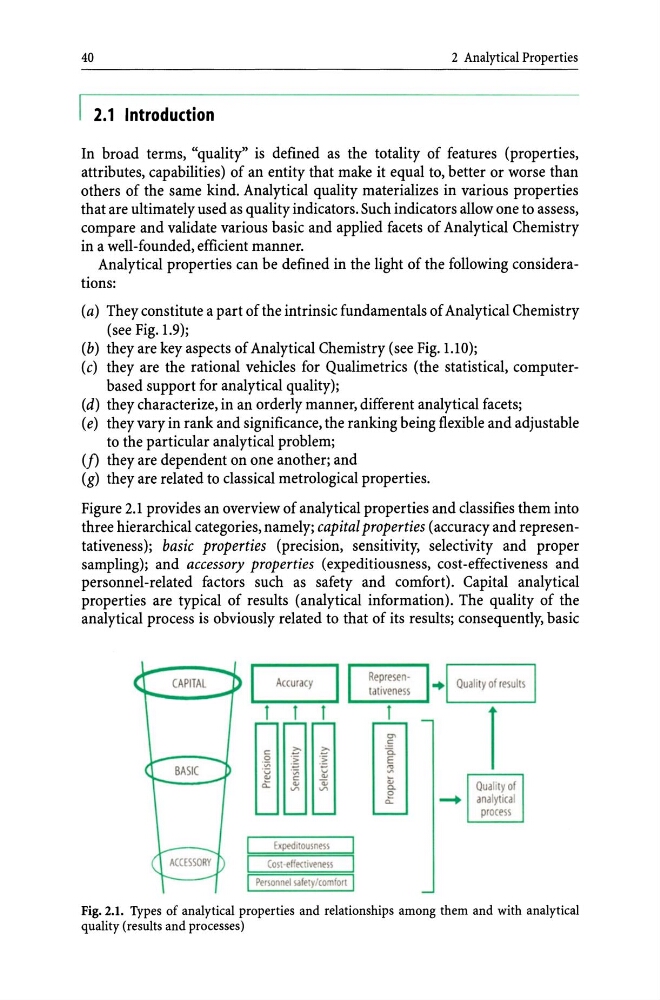
Figure 2.1 provides an overview of analytical properties and classifies them into
three hierarchical categories, namely; capital properties (accuracy and representativeness); basic properties (precision, sensitivity, selectivity and proper
sampling); and accessory properties (expeditiousness, cost-effectiveness and
personnel-related factors such as safety and comfort). Capital analytical
properties are typical of results (analytical information). The quality of the
analytical process is obviously related to that of its results; consequently, basic
Accuracy
.. Quality of results
~
Quality of
£
-+ analytical
1
c:
;:;0
: ~ : ~
.;;;
·v .;;;
V
~
c:
'"
0.., 0;
Vl
VI
1
process
Expedltousnm
I
Cost ·effectlveness
I
I Personnel safety/comfort I
Fig. 2.1. Types of analytical properties and relationships among them and with analytical
quality (results and processes)
2 Analytical Properties
I 2.1 Introduction
In broad terms, "quality" is defined as the totality of features (properties,
attributes, capabilities) of an entity that make it equal to, better or worse than
others of the same kind. Analytical quality materializes in various properties
that are ultimately used as quality indicators. Such indicators allow one to assess,
compare and validate various basic and applied facets of Analytical Chemistry
in a well-founded, efficient manner.
Analytical properties can be defined in the light of the following considerations:
(a) They constitute a part of the intrinsic fundamentals of Analytical Chemistry
(see Fig. 1.9);
(b) they are key aspects of Analytical Chemistry (see Fig. 1.10);
(c) they are the rational vehicles for Qualimetrics (the statistical, computerbased support for analytical quality);
(d) they characterize, in an orderly manner, different analytical facets;
(e) they vary in rank and significance, the ranking being flexible and adjustable
to the particular analytical problem;
(j) they are dependent on one another; and
(g) they are related to classical metrological properties.
Figure 2.1 provides an overview of analytical properties and classifies them into
three hierarchical categories, namely; capital properties (accuracy and representativeness); basic properties (precision, sensitivity, selectivity and proper
sampling); and accessory properties (expeditiousness, cost-effectiveness and
personnel-related factors such as safety and comfort). Capital analytical
properties are typical of results (analytical information). The quality of the
analytical process is obviously related to that of its results; consequently, basic
Accuracy
.. Quality of results
~
Quality of
£
-+ analytical
1
c:
;:;0
: ~ : ~
.;;;
·v .;;;
V
~
c:
'"
0.., 0;
Vl
VI
1
process
Expedltousnm
I
Cost ·effectlveness
I
I Personnel safety/comfort I
Fig. 2.1. Types of analytical properties and relationships among them and with analytical
quality (results and processes)