

300
Body of properties
Analyt ical properties
Client satisfaction
Solving the
analytical problem
7 The Analytical Problem
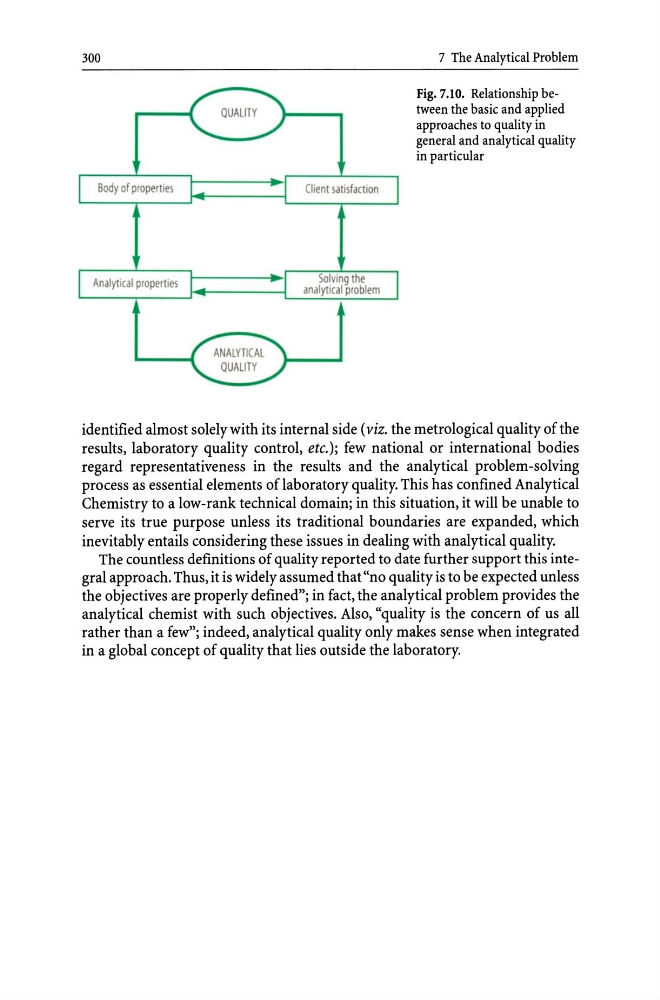
Fig. 7.10. Relationship between the basic and applied
approaches to quality in
general and analytical quality
in particular
identified almost solely with its internal side (viz. the metrological quality of the
results, laboratory quality control, etc.); few national or international bodies
regard representativeness in the results and the analytical problem-solving
process as essential elements of laboratory quality. This has confined Analytical
Chemistry to a low-rank technical domain; in this situation, it will be unable to
serve its true purpose unless its traditional boundaries are expanded, which
inevitably entails considering these issues in dealing with analytical quality.
The countless definitions of quality reported to date further support this integral approach. Thus, it is widely assumed that "no quality is to be expected unless
the objectives are properly defined"; in fact, the analytical problem provides the
analytical chemist with such objectives. Also, "quality is the concern of us all
rather than a few"; indeed, analytical quality only makes sense when integrated
in a global concept of quality that lies outside the laboratory.
Body of properties
Analyt ical properties
Client satisfaction
Solving the
analytical problem
7 The Analytical Problem
Fig. 7.10. Relationship between the basic and applied
approaches to quality in
general and analytical quality
in particular
identified almost solely with its internal side (viz. the metrological quality of the
results, laboratory quality control, etc.); few national or international bodies
regard representativeness in the results and the analytical problem-solving
process as essential elements of laboratory quality. This has confined Analytical
Chemistry to a low-rank technical domain; in this situation, it will be unable to
serve its true purpose unless its traditional boundaries are expanded, which
inevitably entails considering these issues in dealing with analytical quality.
The countless definitions of quality reported to date further support this integral approach. Thus, it is widely assumed that "no quality is to be expected unless
the objectives are properly defined"; in fact, the analytical problem provides the
analytical chemist with such objectives. Also, "quality is the concern of us all
rather than a few"; indeed, analytical quality only makes sense when integrated
in a global concept of quality that lies outside the laboratory.