

7.5 Steps of the Analytical Problem-solving Process
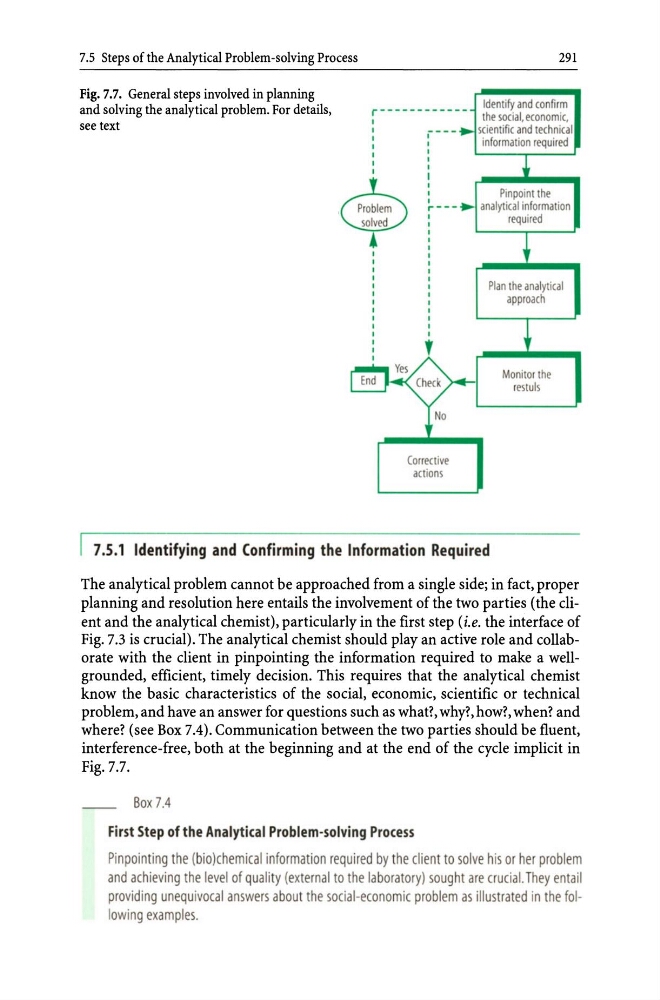
Fig. 7.7. General steps involved in planning
and solving the analytical problem. For details,
see text
r-----------.- --291
Identify and confirm
the social, economic,
scientific and technical
information required
I
Pinpoint the
~ - - - . analytical information
required
,
Corrective
actions
Plan the analytical
approach
Monitor the
restuls
7.5.1 Identifying and Confirming the Information Required
The analytical problem cannot be approached from a single side; in fact, proper
planning and resolution here entails the involvement of the two parties (the client and the analytical chemist), particularly in the first step (i.e. the interface of
Fig. 7.3 is crucial), The analytical chemist should play an active role and collaborate with the client in pinpointing the information required to make a wellgrounded, efficient, timely decision. This requires that the analytical chemist
know the basic characteristics of the social, economic, scientific or technical
problem, and have an answer for questions such as what?, why?, how?, when? and
where? (see Box 7.4). Communication between the two parties should be fluent,
interference-free, both at the beginning and at the end of the cycle implicit in
Fig. 7.7.
Box 7.4
First Step of the Analytical Problem-solving Process
Pinpointing the (bio)chemical information required by the client to solve his or her problem
and achieving the level of quality (external to the laboratory) sought are crucial. They entail
providing unequivocal answers about the social-economic problem as illustrated in the following examples.
Fig. 7.7. General steps involved in planning
and solving the analytical problem. For details,
see text
r-----------.- --291
Identify and confirm
the social, economic,
scientific and technical
information required
I
Pinpoint the
~ - - - . analytical information
required
,
Corrective
actions
Plan the analytical
approach
Monitor the
restuls
7.5.1 Identifying and Confirming the Information Required
The analytical problem cannot be approached from a single side; in fact, proper
planning and resolution here entails the involvement of the two parties (the client and the analytical chemist), particularly in the first step (i.e. the interface of
Fig. 7.3 is crucial), The analytical chemist should play an active role and collaborate with the client in pinpointing the information required to make a wellgrounded, efficient, timely decision. This requires that the analytical chemist
know the basic characteristics of the social, economic, scientific or technical
problem, and have an answer for questions such as what?, why?, how?, when? and
where? (see Box 7.4). Communication between the two parties should be fluent,
interference-free, both at the beginning and at the end of the cycle implicit in
Fig. 7.7.
Box 7.4
First Step of the Analytical Problem-solving Process
Pinpointing the (bio)chemical information required by the client to solve his or her problem
and achieving the level of quality (external to the laboratory) sought are crucial. They entail
providing unequivocal answers about the social-economic problem as illustrated in the following examples.