

158
4 The Measurement Process in Chemistry
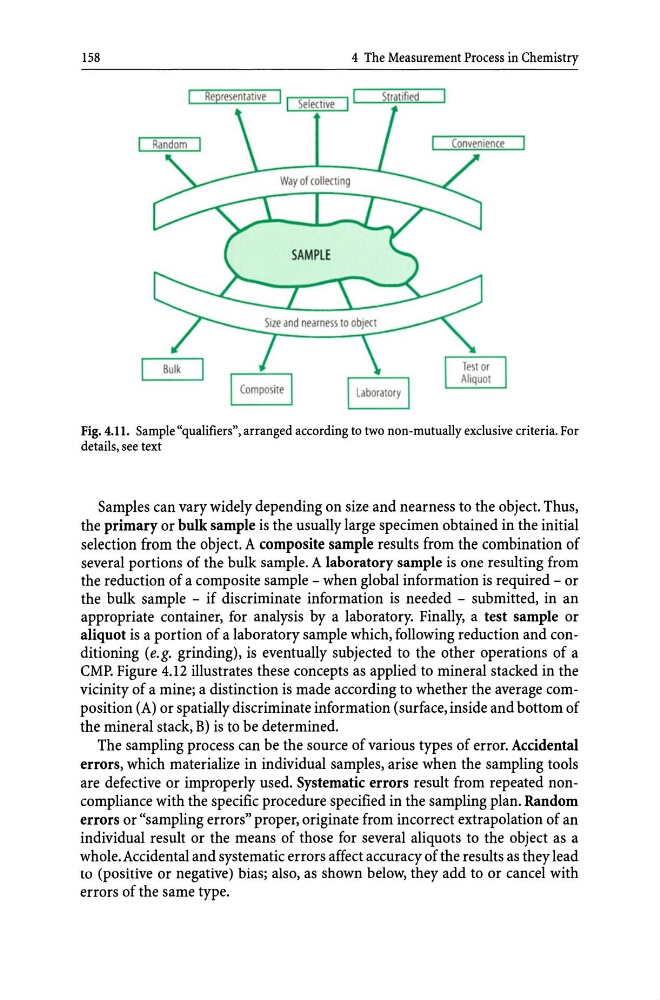
Fig. 4.11. Sample "qualifiers", arranged according to two non-mutually exclusive criteria. For
details, see text
Samples can vary widely depending on size and nearness to the object. Thus,
the primary or bulk sample is the usually large specimen obtained in the initial
selection from the object. A composite sample results from the combination of
several portions of the bulk sample. A laboratory sample is one resulting from
the reduction of a composite sample - when global information is required - or
the bulk sample - if discriminate information is needed - submitted, in an
appropriate container, for analysis by a laboratory. Finally, a test sample or
aliquot is a portion of a laboratory sample which, following reduction and conditioning (e.g. grinding), is eventually subjected to the other operations of a
CMP. Figure 4.12 illustrates these concepts as applied to mineral stacked in the
vicinity of a mine; a distinction is made according to whether the average composition (A) or spatially discriminate information (surface, inside and bottom of
the mineral stack, B) is to be determined.
The sampling process can be the source of various types of error. Accidental
errors, which materialize in individual samples, arise when the sampling tools
are defective or improperly used. Systematic errors result from repeated noncompliance with the specific procedure specified in the sampling plan. Random
errors or "sampling errors" proper, originate from incorrect extrapolation of an
individual result or the means of those for several aliquots to the object as a
whole. Accidental and systematic errors affect accuracy of the results as they lead
to (positive or negative) bias; also, as shown below, they add to or cancel with
errors of the same type.
4 The Measurement Process in Chemistry
Fig. 4.11. Sample "qualifiers", arranged according to two non-mutually exclusive criteria. For
details, see text
Samples can vary widely depending on size and nearness to the object. Thus,
the primary or bulk sample is the usually large specimen obtained in the initial
selection from the object. A composite sample results from the combination of
several portions of the bulk sample. A laboratory sample is one resulting from
the reduction of a composite sample - when global information is required - or
the bulk sample - if discriminate information is needed - submitted, in an
appropriate container, for analysis by a laboratory. Finally, a test sample or
aliquot is a portion of a laboratory sample which, following reduction and conditioning (e.g. grinding), is eventually subjected to the other operations of a
CMP. Figure 4.12 illustrates these concepts as applied to mineral stacked in the
vicinity of a mine; a distinction is made according to whether the average composition (A) or spatially discriminate information (surface, inside and bottom of
the mineral stack, B) is to be determined.
The sampling process can be the source of various types of error. Accidental
errors, which materialize in individual samples, arise when the sampling tools
are defective or improperly used. Systematic errors result from repeated noncompliance with the specific procedure specified in the sampling plan. Random
errors or "sampling errors" proper, originate from incorrect extrapolation of an
individual result or the means of those for several aliquots to the object as a
whole. Accidental and systematic errors affect accuracy of the results as they lead
to (positive or negative) bias; also, as shown below, they add to or cancel with
errors of the same type.