

New Developments in EnantioselectiveBrønsted Acid Catalysis
231
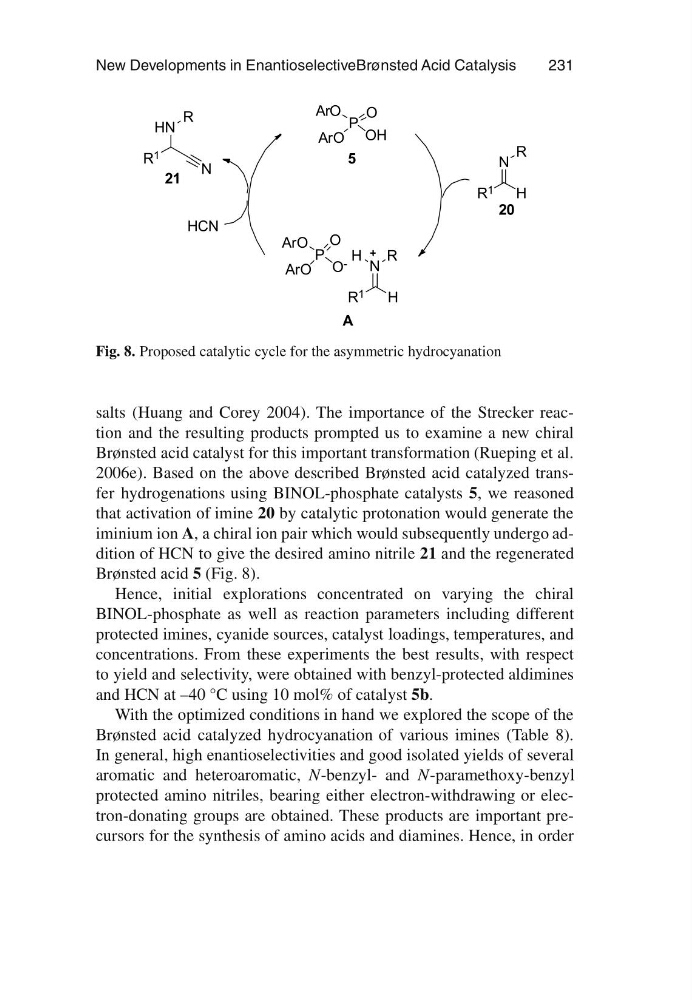
Fig. 8. Proposed catalytic cycle for the asymmetric hydrocyanation
salts (Huang and Corey 2004). The importance of the Strecker reaction and the resulting products prompted us to examine a new chiral
Brønsted acid catalyst for this important transformation (Rueping et al.
2006e). Based on the above described Brønsted acid catalyzed transfer hydrogenations using BINOL-phosphate catalysts 5, we reasoned
that activation of imine 20 by catalytic protonation would generate the
iminium ion A, a chiral ion pair which would subsequently undergo addition of HCN to give the desired amino nitrile 21 and the regenerated
Brønsted acid 5 (Fig. 8).
Hence, initial explorations concentrated on varying the chiral
BINOL-phosphate as well as reaction parameters including different
protected imines, cyanide sources, catalyst loadings, temperatures, and
concentrations. From these experiments the best results, with respect
to yield and selectivity, were obtained with benzyl-protected aldimines
and HCN at –40 °C using 10 mol% of catalyst 5b.
With the optimized conditions in hand we explored the scope of the
Brønsted acid catalyzed hydrocyanation of various imines (Table 8).
In general, high enantioselectivities and good isolated yields of several
aromatic and heteroaromatic, N-benzyl- and N-paramethoxy-benzyl
protected amino nitriles, bearing either electron-withdrawing or electron-donating groups are obtained. These products are important precursors for the synthesis of amino acids and diamines. Hence, in order