

230
M. Rueping, E. Sugiono
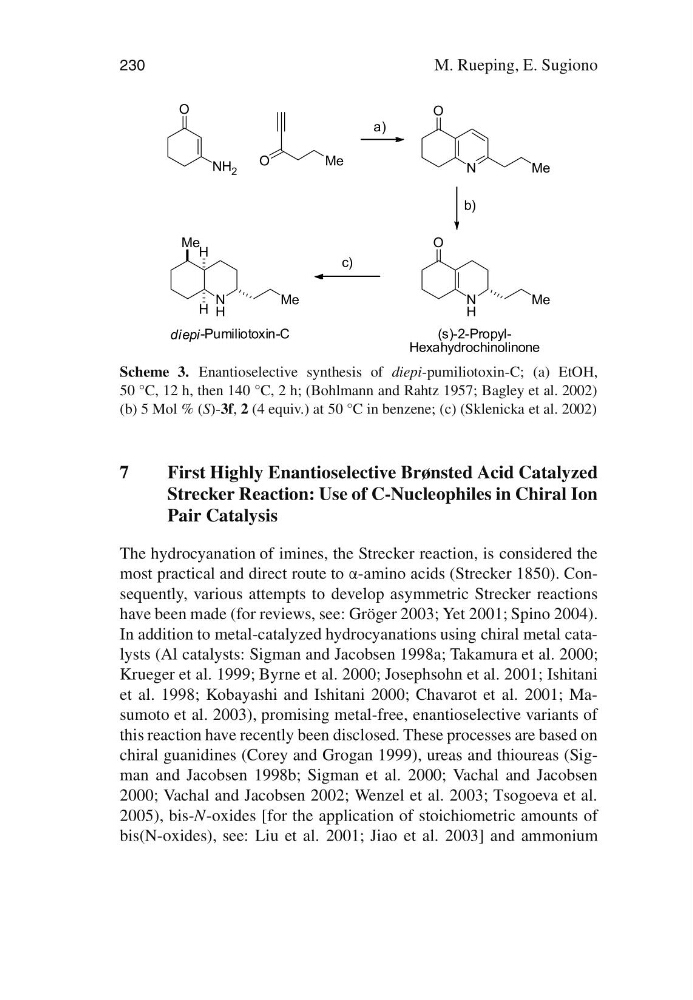
Scheme 3. Enantioselective synthesis of diepi-pumiliotoxin-C; (a) EtOH,
50 °C, 12 h, then 140 °C, 2 h; (Bohlmann and Rahtz 1957; Bagley et al. 2002)
(b) 5 Mol % (S)-3f, 2 (4 equiv.) at 50 °C in benzene; (c) (Sklenicka et al. 2002)
7
First Highly Enantioselective Brønsted Acid Catalyzed
Strecker Reaction: Use of C-Nucleophiles in Chiral Ion
Pair Catalysis
The hydrocyanation of imines, the Strecker reaction, is considered the
most practical and direct route to α-amino acids (Strecker 1850). Consequently, various attempts to develop asymmetric Strecker reactions
have been made (for reviews, see: Gröger 2003; Yet 2001; Spino 2004).
In addition to metal-catalyzed hydrocyanations using chiral metal catalysts (Al catalysts: Sigman and Jacobsen 1998a; Takamura et al. 2000;
Krueger et al. 1999; Byrne et al. 2000; Josephsohn et al. 2001; Ishitani
et al. 1998; Kobayashi and Ishitani 2000; Chavarot et al. 2001; Masumoto et al. 2003), promising metal-free, enantioselective variants of
this reaction have recently been disclosed. These processes are based on
chiral guanidines (Corey and Grogan 1999), ureas and thioureas (Sigman and Jacobsen 1998b; Sigman et al. 2000; Vachal and Jacobsen
2000; Vachal and Jacobsen 2002; Wenzel et al. 2003; Tsogoeva et al.
2005), bis-N-oxides [for the application of stoichiometric amounts of
bis(N-oxides), see: Liu et al. 2001; Jiao et al. 2003] and ammonium