

176
F. Glorius, K. Hirano
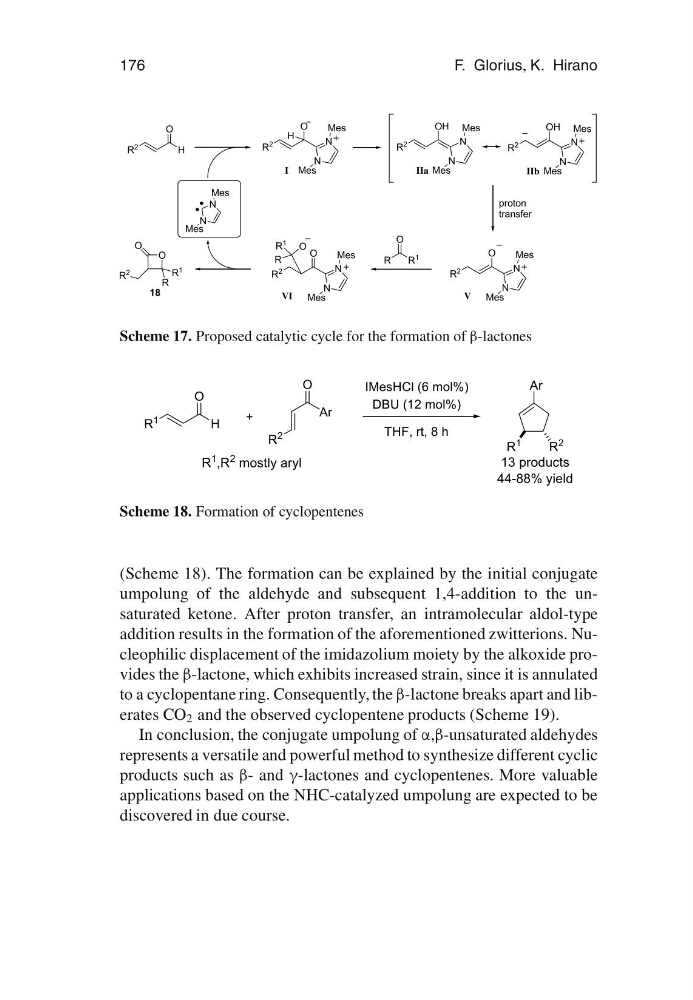
Scheme 17. Proposed catalytic cycle for the formation of β-lactones
Scheme 18. Formation of cyclopentenes
(Scheme 18). The formation can be explained by the initial conjugate
umpolung of the aldehyde and subsequent 1,4-addition to the unsaturated ketone. After proton transfer, an intramolecular aldol-type
addition results in the formation of the aforementioned zwitterions. Nucleophilic displacement of the imidazolium moiety by the alkoxide provides the β-lactone, which exhibits increased strain, since it is annulated
to a cyclopentane ring. Consequently, the β-lactone breaks apart and liberates CO 2 and the observed cyclopentene products (Scheme 19).
In conclusion, the conjugate umpolung of α,β-unsaturated aldehydes
represents a versatile and powerful method to synthesize different cyclic
products such as β- and γ-lactones and cyclopentenes. More valuable
applications based on the NHC-catalyzed umpolung are expected to be
discovered in due course.