

154
H. Gröger
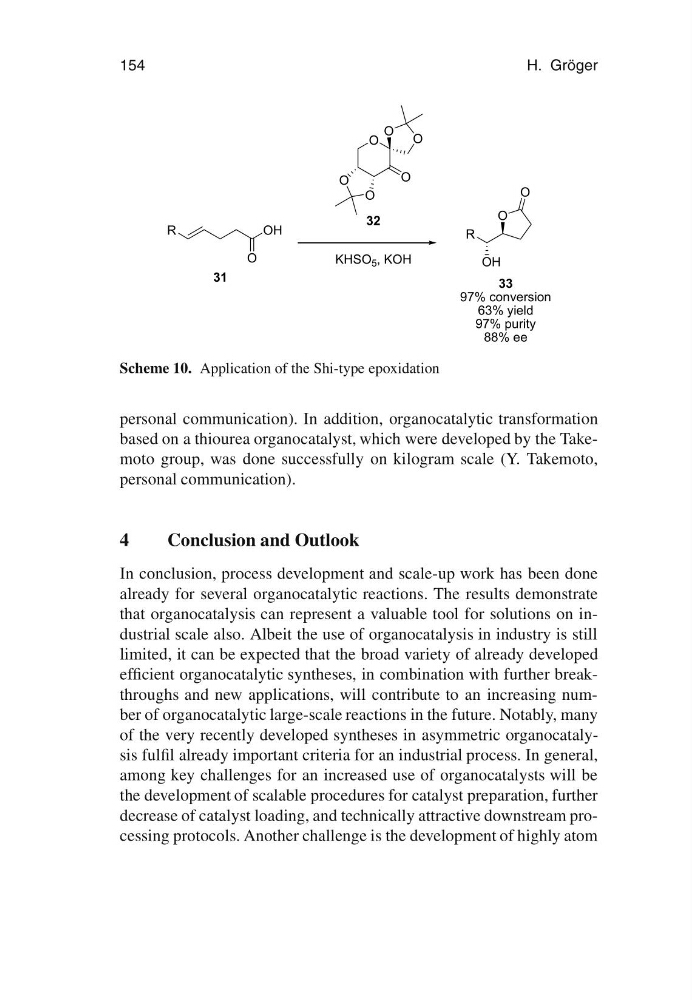
Scheme 10. Application of the Shi-type epoxidation
personal communication). In addition, organocatalytic transformation
based on a thiourea organocatalyst, which were developed by the Takemoto group, was done successfully on kilogram scale (Y. Takemoto,
personal communication).
4
Conclusion and Outlook
In conclusion, process development and scale-up work has been done
already for several organocatalytic reactions. The results demonstrate
that organocatalysis can represent a valuable tool for solutions on industrial scale also. Albeit the use of organocatalysis in industry is still
limited, it can be expected that the broad variety of already developed
efficient organocatalytic syntheses, in combination with further breakthroughs and new applications, will contribute to an increasing number of organocatalytic large-scale reactions in the future. Notably, many
of the very recently developed syntheses in asymmetric organocatalysis fulfil already important criteria for an industrial process. In general,
among key challenges for an increased use of organocatalysts will be
the development of scalable procedures for catalyst preparation, further
decrease of catalyst loading, and technically attractive downstream processing protocols. Another challenge is the development of highly atom